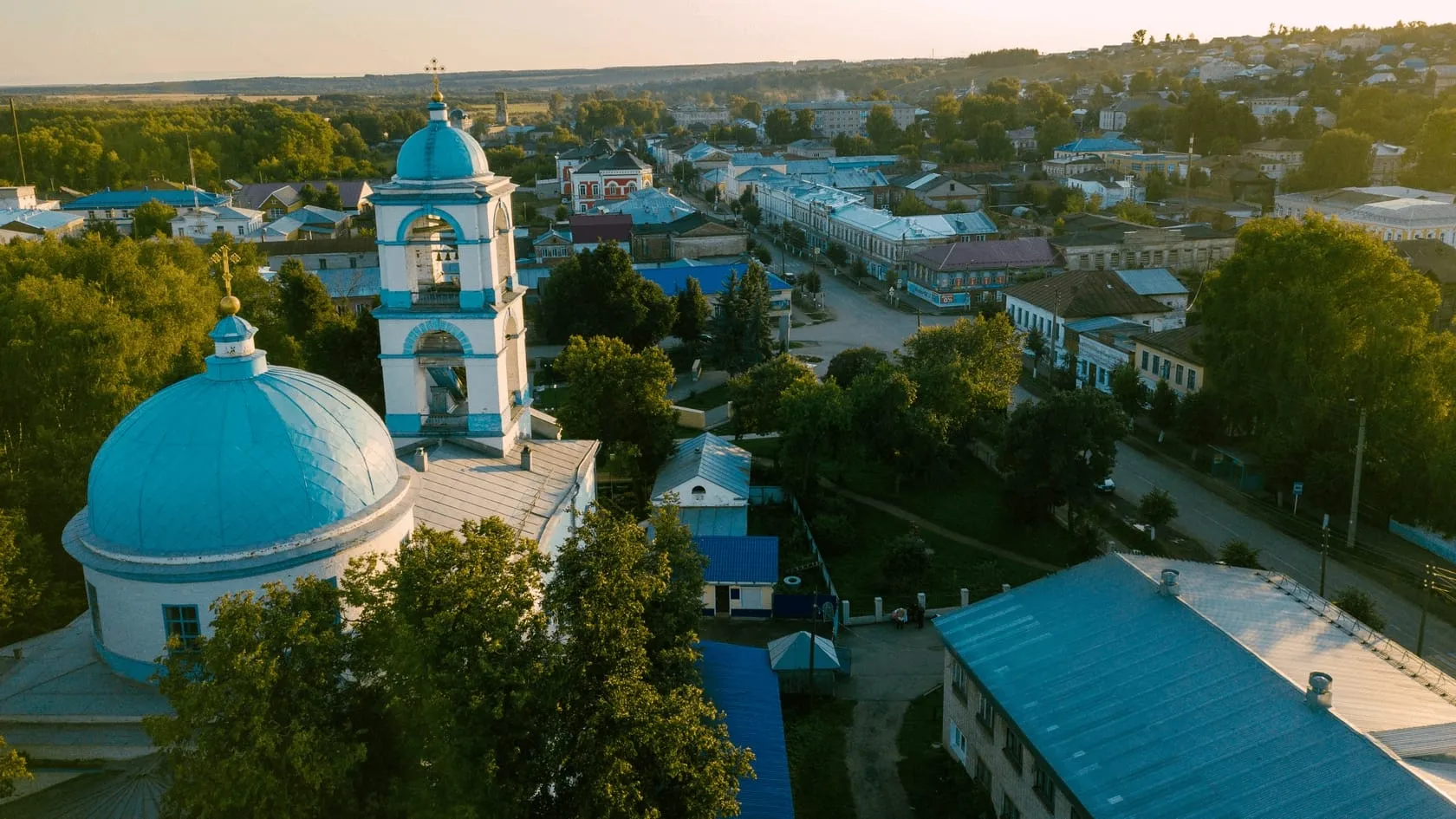
Nizhny Novgorod: the capital of many things
sunsets, staircases, revitalization
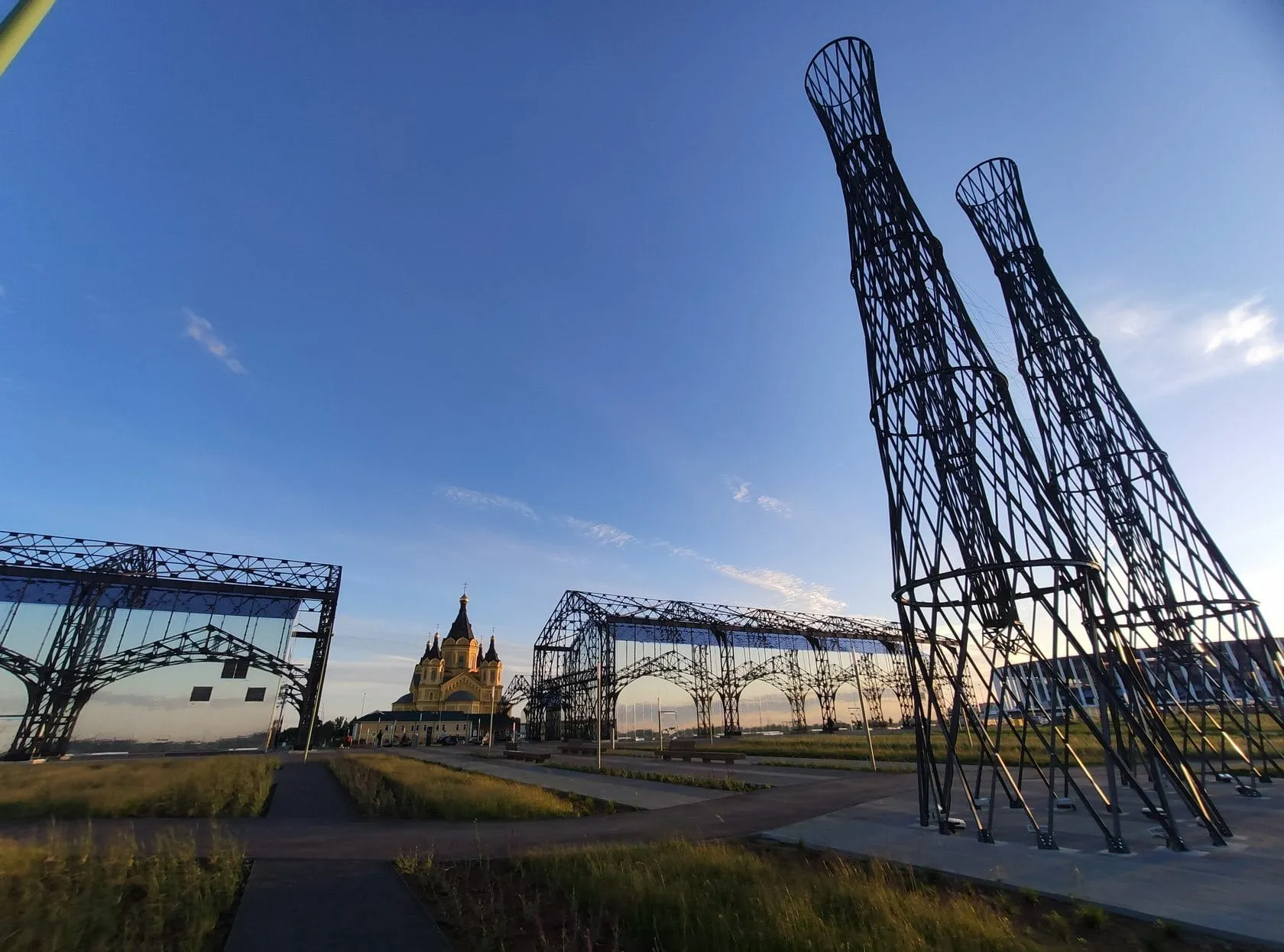
sunsets, staircases, revitalization
Introduction
For the first time in his 28 years, Stan allowed himself to go somewhere beyond the Kirov Region on vacation — and that’s how he got to know Nizhny Novgorod.
The capital of the Volga Federal District, of sunsets, of mesmerizing river views, of excellently executed work for a recent anniversary, and of “what not.”
A city where the restored (which is already wonderful) historic environment finds its place in modernity, picnic spots turn into huge parks and attractions, and a cultural center in 2022 can emerge within openwork metal structures at the confluence of the Oka and the Volga.
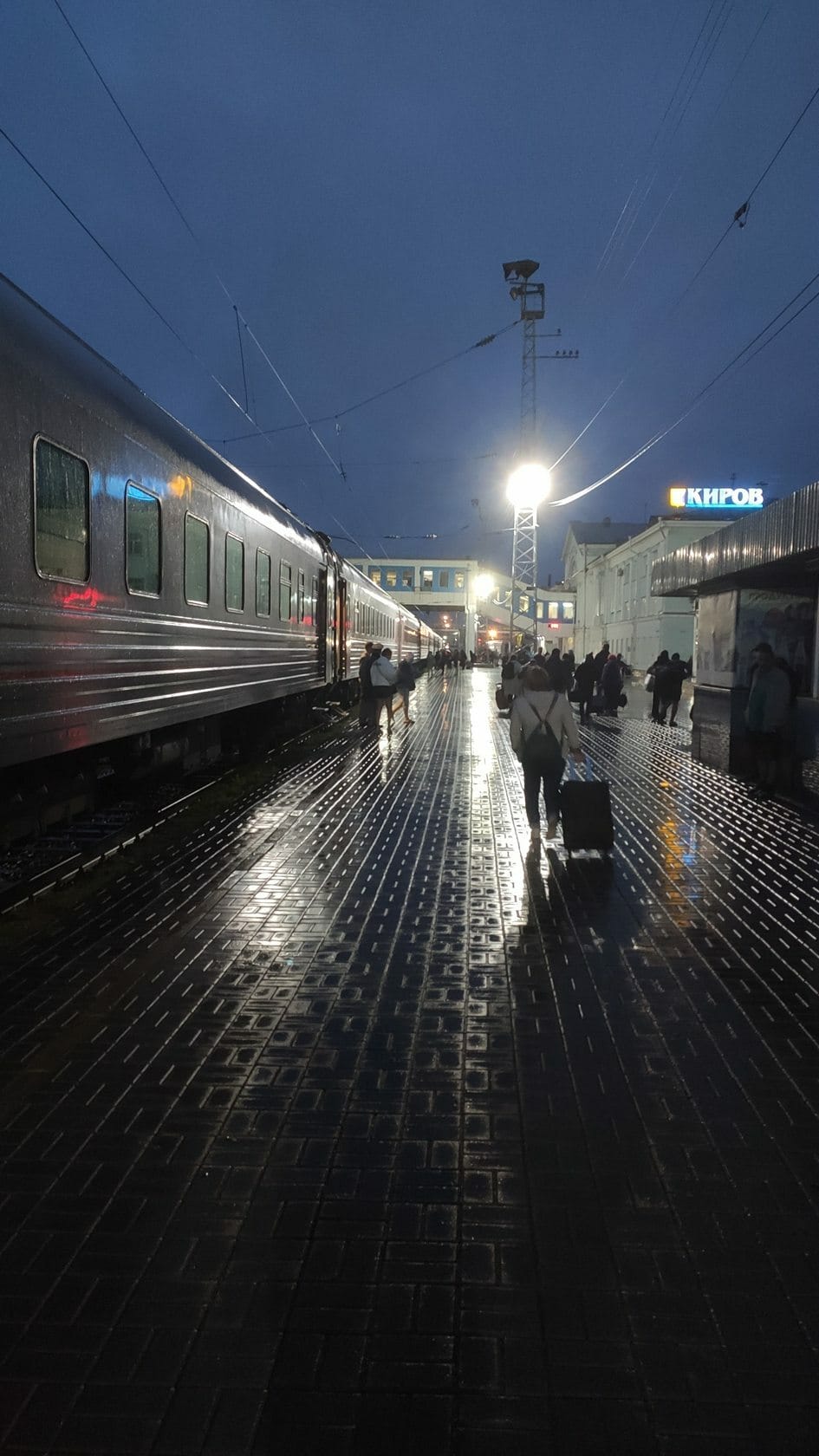
1:40 AM, Kirov railway station.
In June, the Lastochka trains didn’t yet run to Nizhny, so to make my few days count — I had to sacrifice sleep. Don’t repeat these mistakes.
Though… the train only departed after 4 AM, and if falling asleep during a train ride is a problem for you — there’s a chance to fall asleep before it departs.
On the bright side — I paid for the “outward” ticket with bonus points I’d accumulated from a round-trip business trip to Moscow.
Just 2 tickets were enough to buy a lower bunk compartment on the Vorkuta — Nizhny Novgorod train for 3,000 bonus points.
The train interior looked like the Vyatka, but the service was quite different. But that wasn’t the thing that could ruin my “explorer” mood.
Before the trip, I made a map for myself with places and attractions I wanted to visit in 2 days. This is exactly the route illustrated below:
Switzerland Park
You should look at a journey, like a day, as a little life — which means we’ll start and end with nature. Before diving headfirst into the center, I began with Switzerland Park — the largest in Nizhny. Like much of what I was about to discover in these days, it had been impressively transformed for the city’s anniversary.
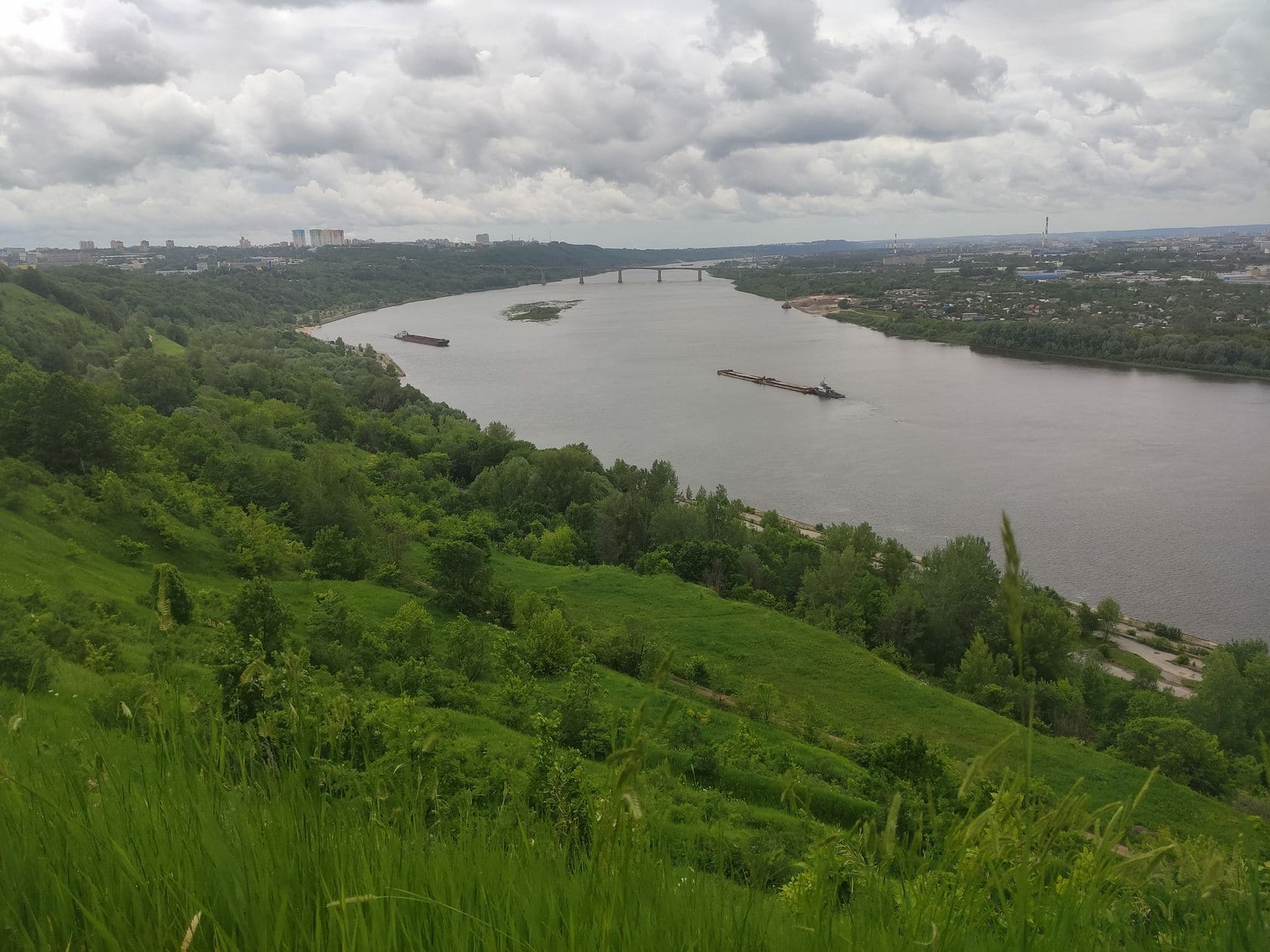
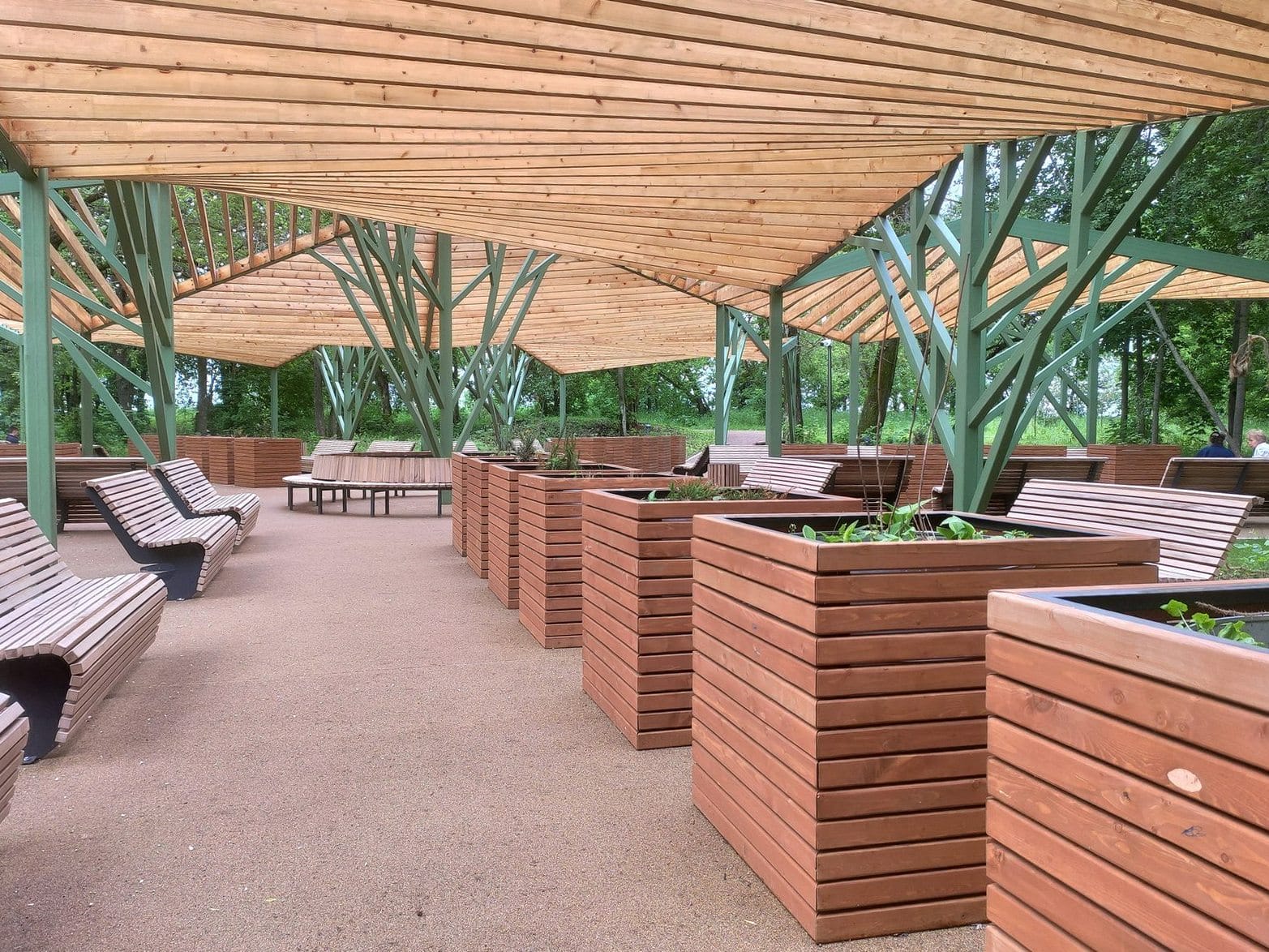
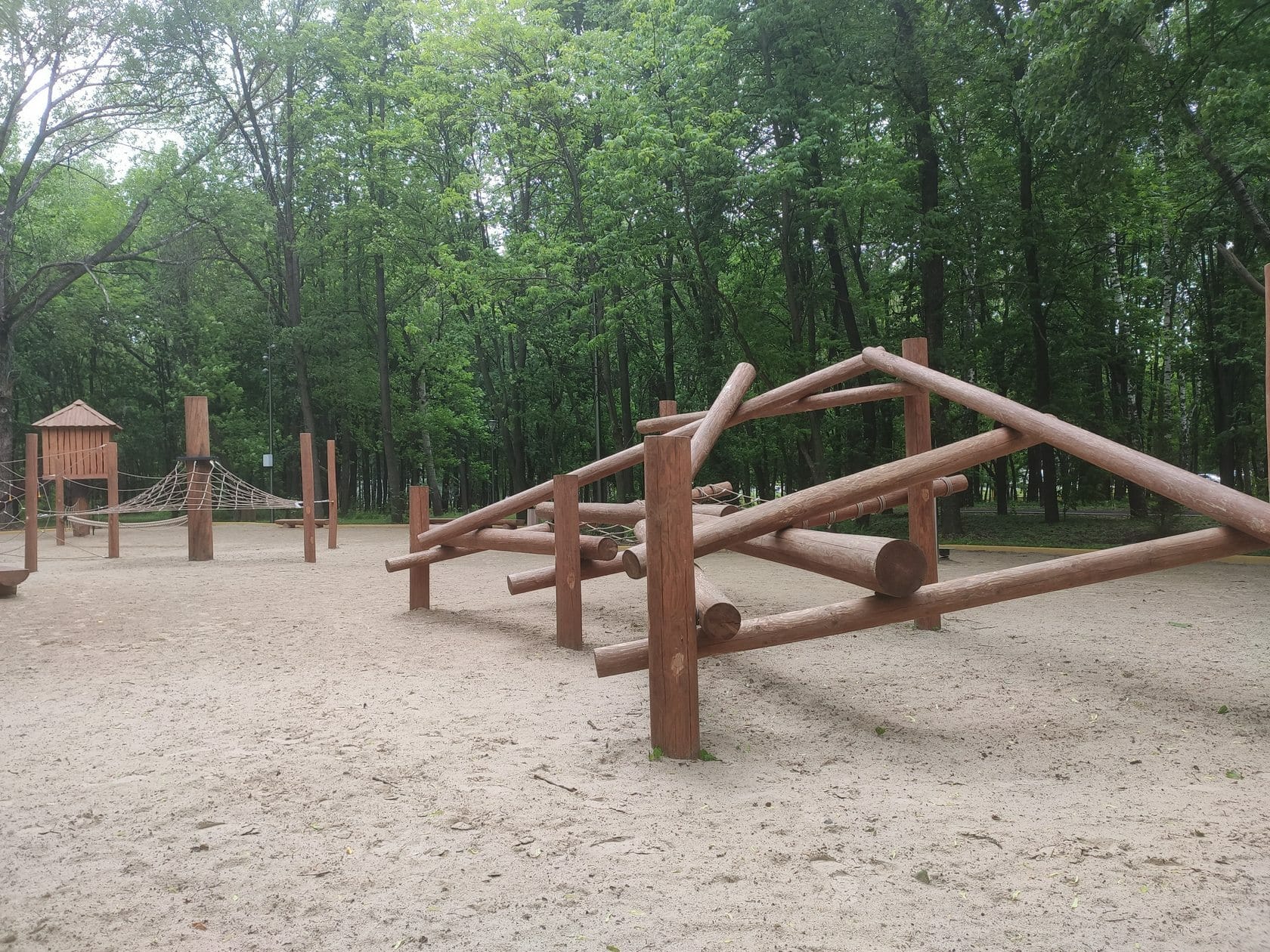
I didn’t explore all its bells and whistles, but there’s everything you could imagine, especially for kids. What I wanted most was to appreciate the views it was named “Switzerland” for.
Just look at this beautiful ad shot with an FPV drone
Switzerland Park. A month of new impressions.
A good breakdown of the park can be found on Andrey Elbaev’s YouTube channel
Reserve Quarters
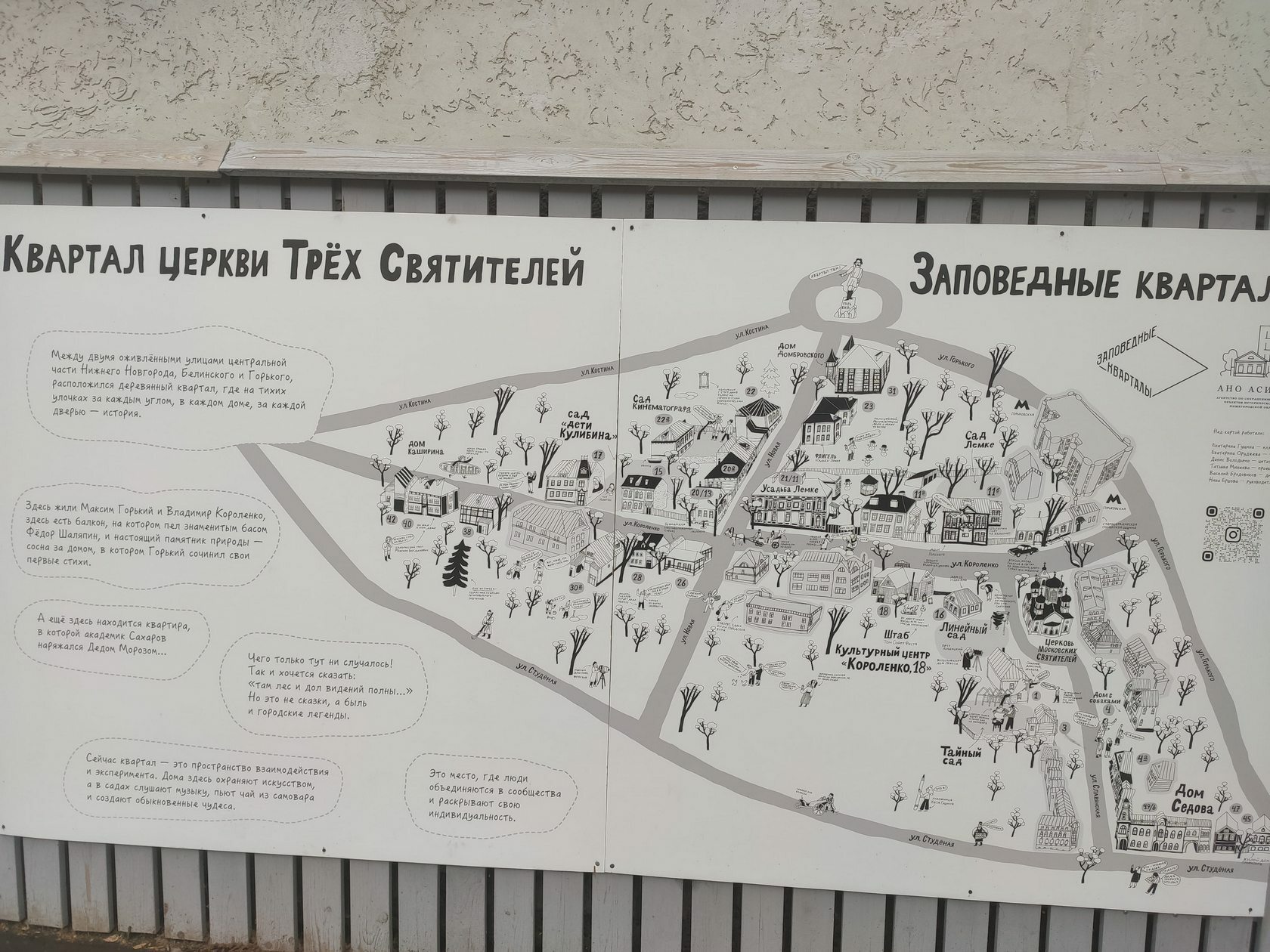
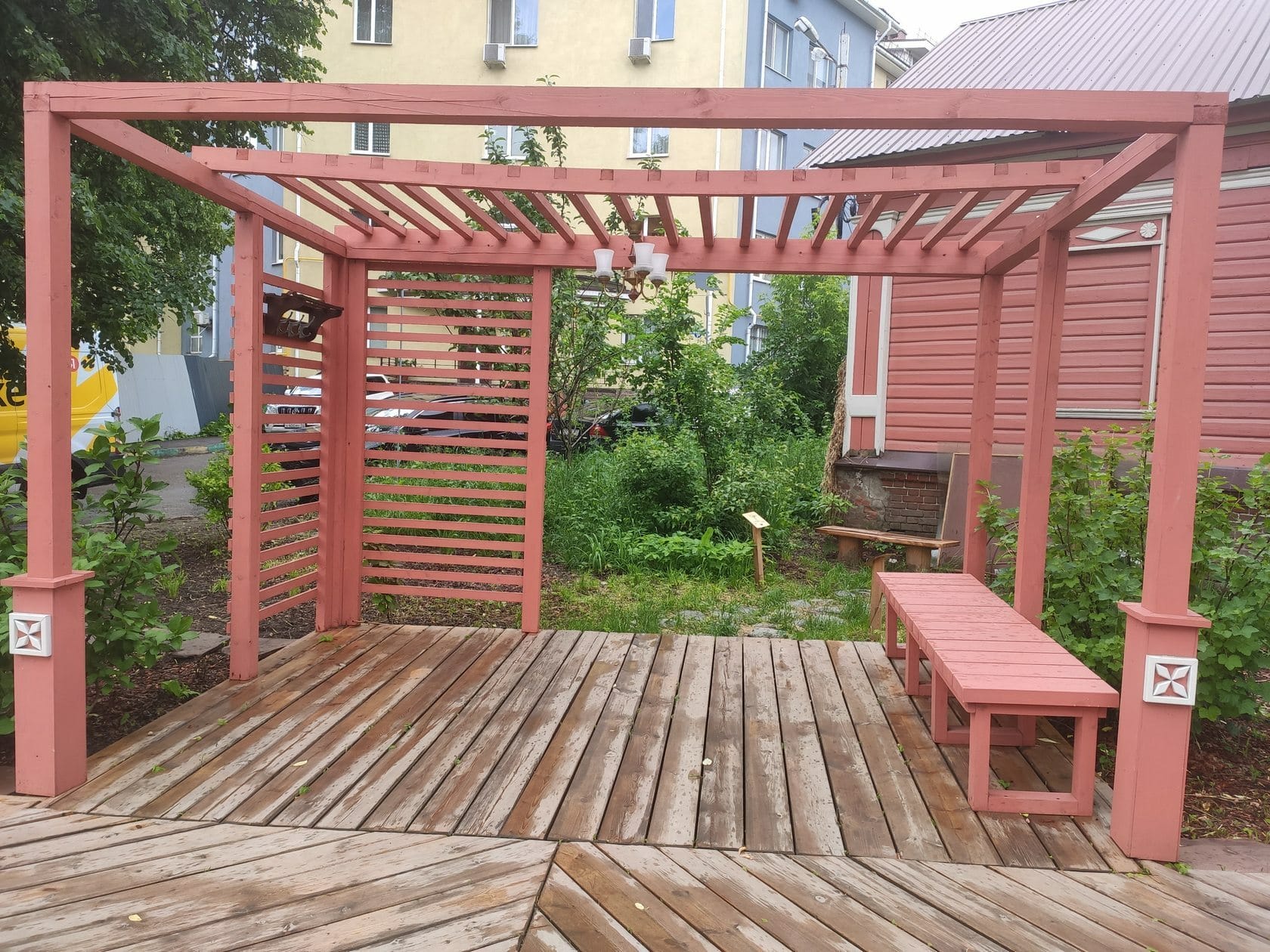
Reserve Quarters — or as I’d call it, the place where Tom Sawyer Fest won — The historic environment revival project in the Quarter of the Church of the Three Hierarchs began in 2018 precisely as a volunteer movement; by 2022 it’s not only about preservation, but also festivals and exhibitions, tours and concerts. Even tea parties.
If you, like me, find yourself there not on a weekend, or lack extra cash for a ticket — on the Quarters’ website you can get a checklist for visiting, or find an information stand on the spot, and the tourist centers have stocked a beautiful map with key information.
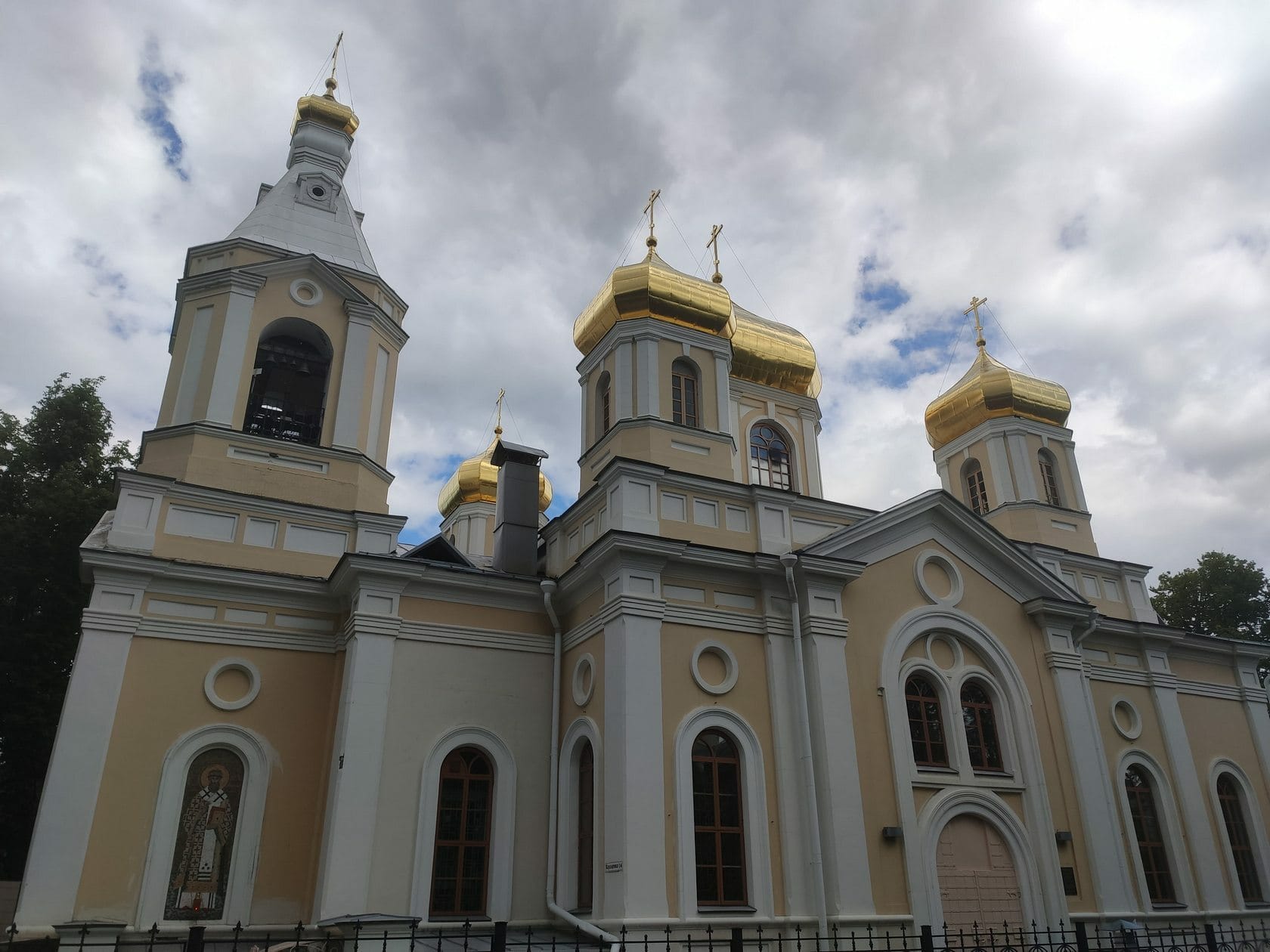
Church of the Moscow Hierarchs
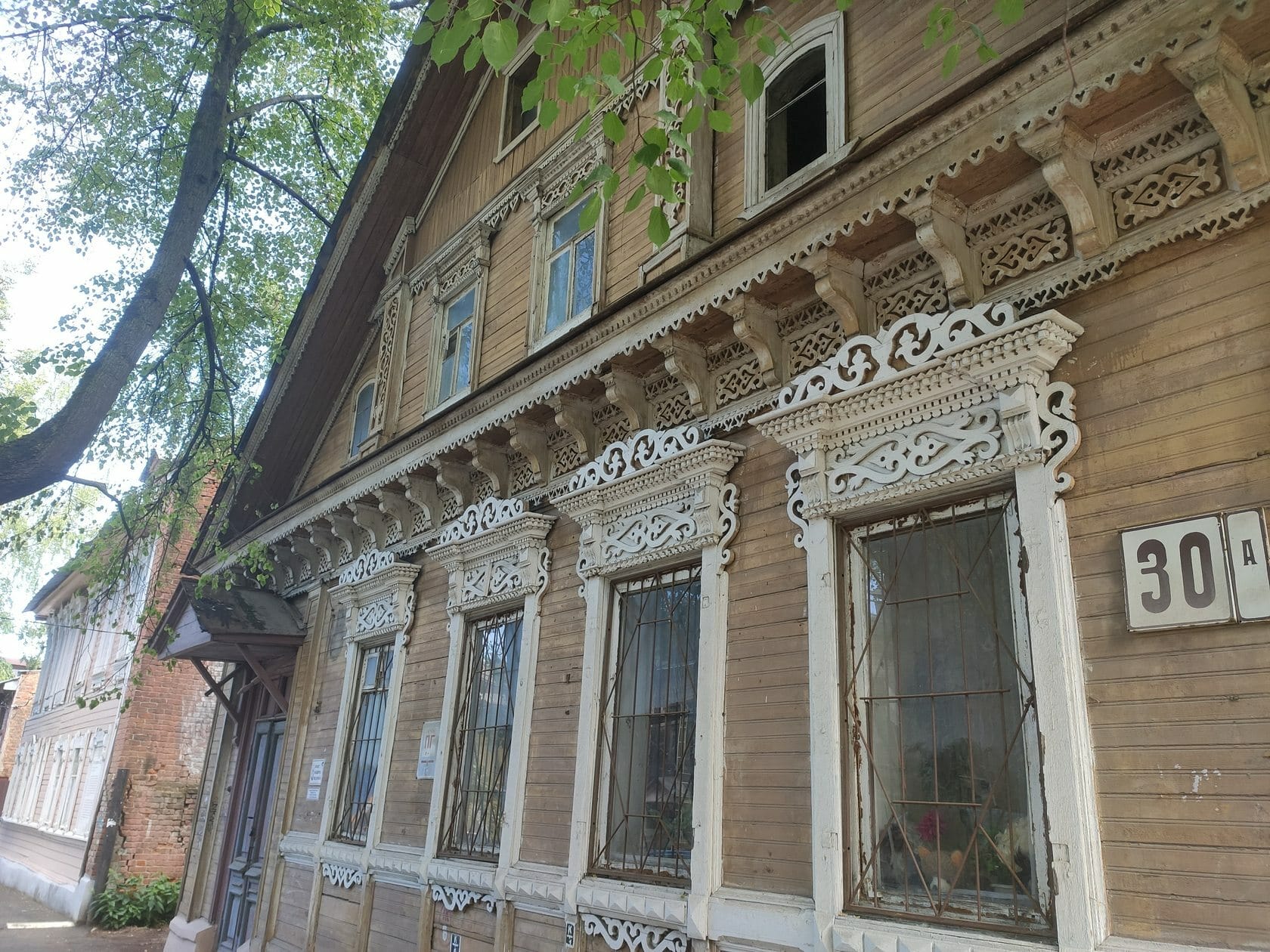
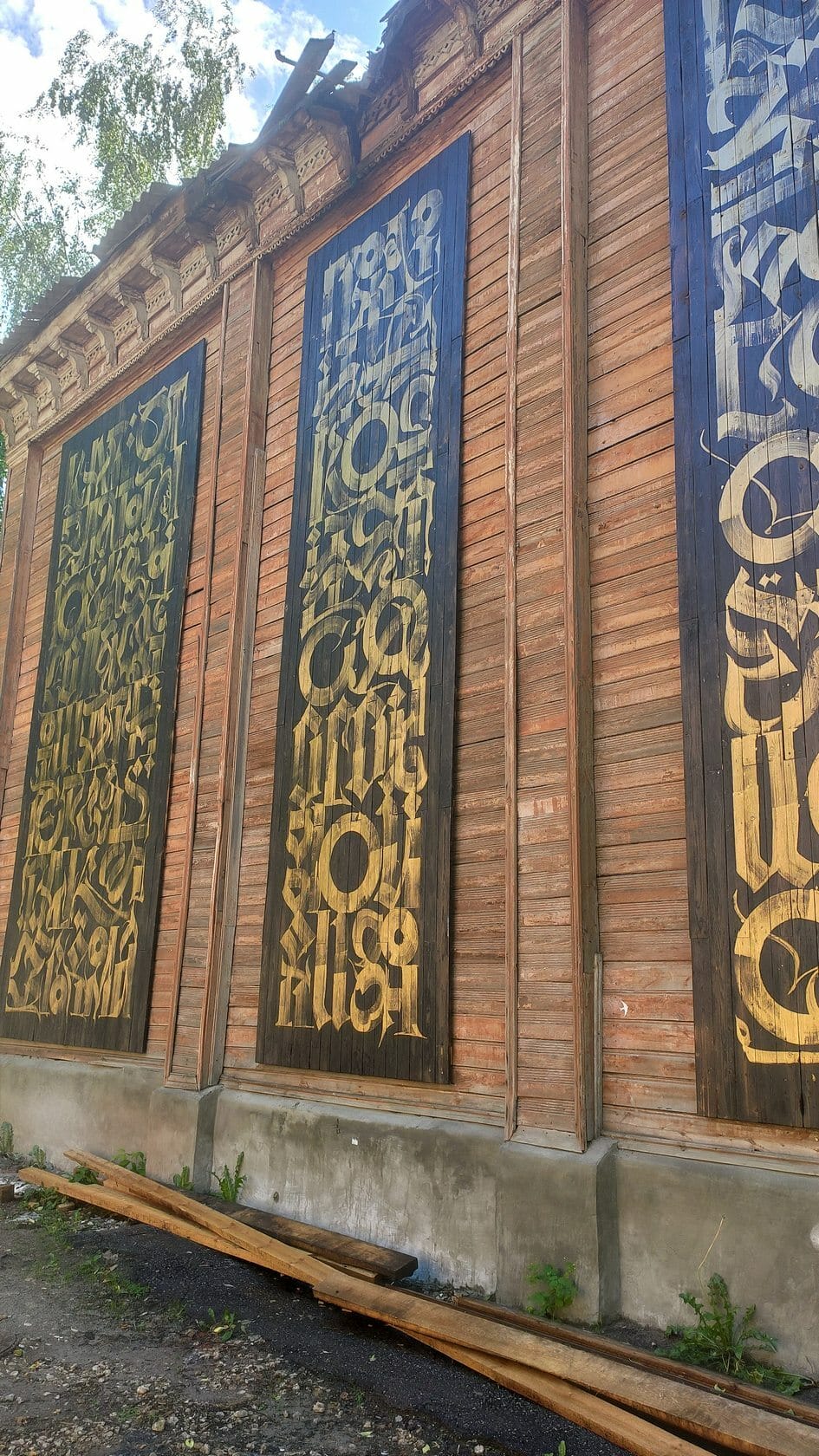
Work by Pokras Lampas
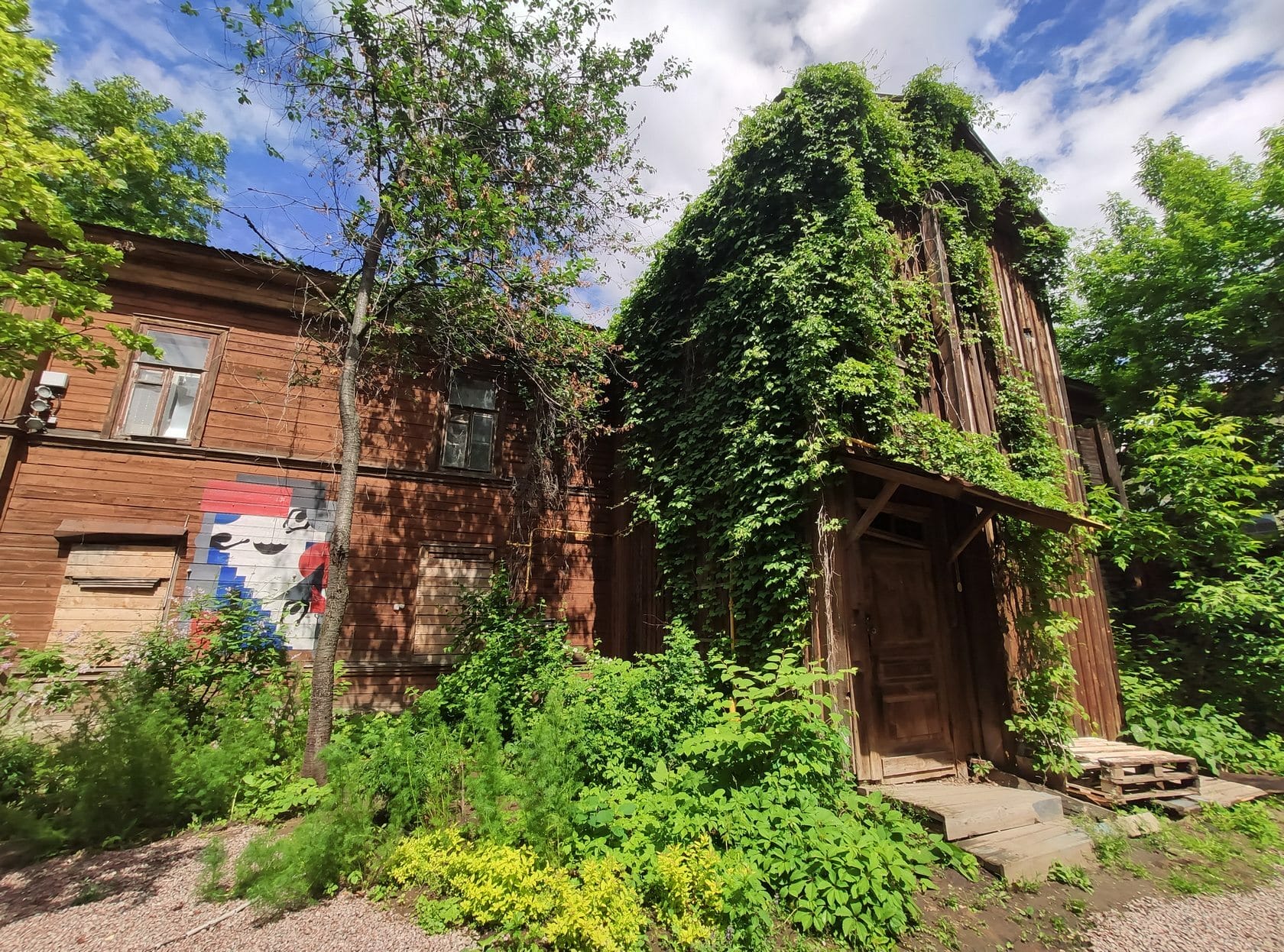
Siroton House
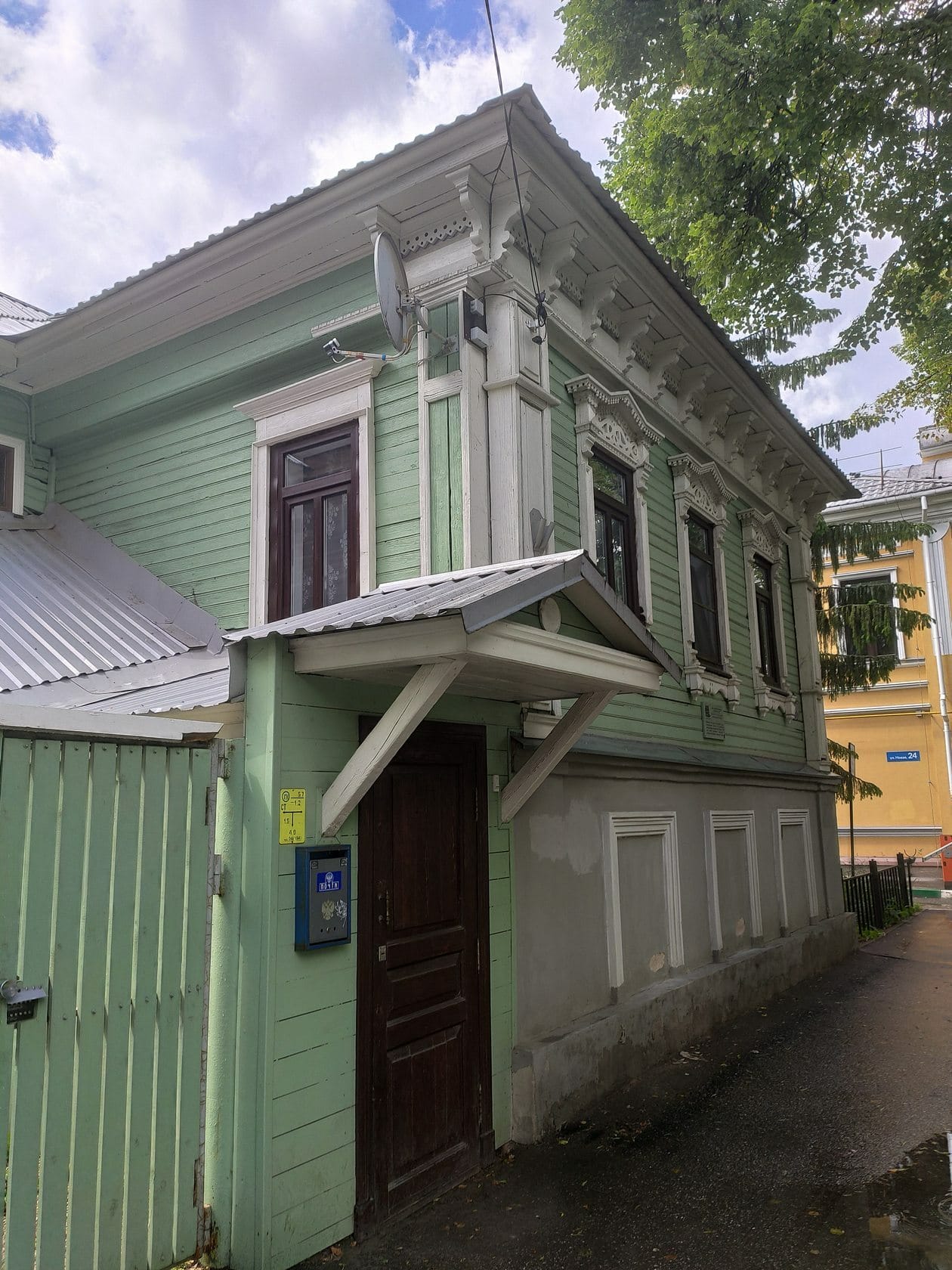
House of Collegiate Secretary Marya Vasilyeva
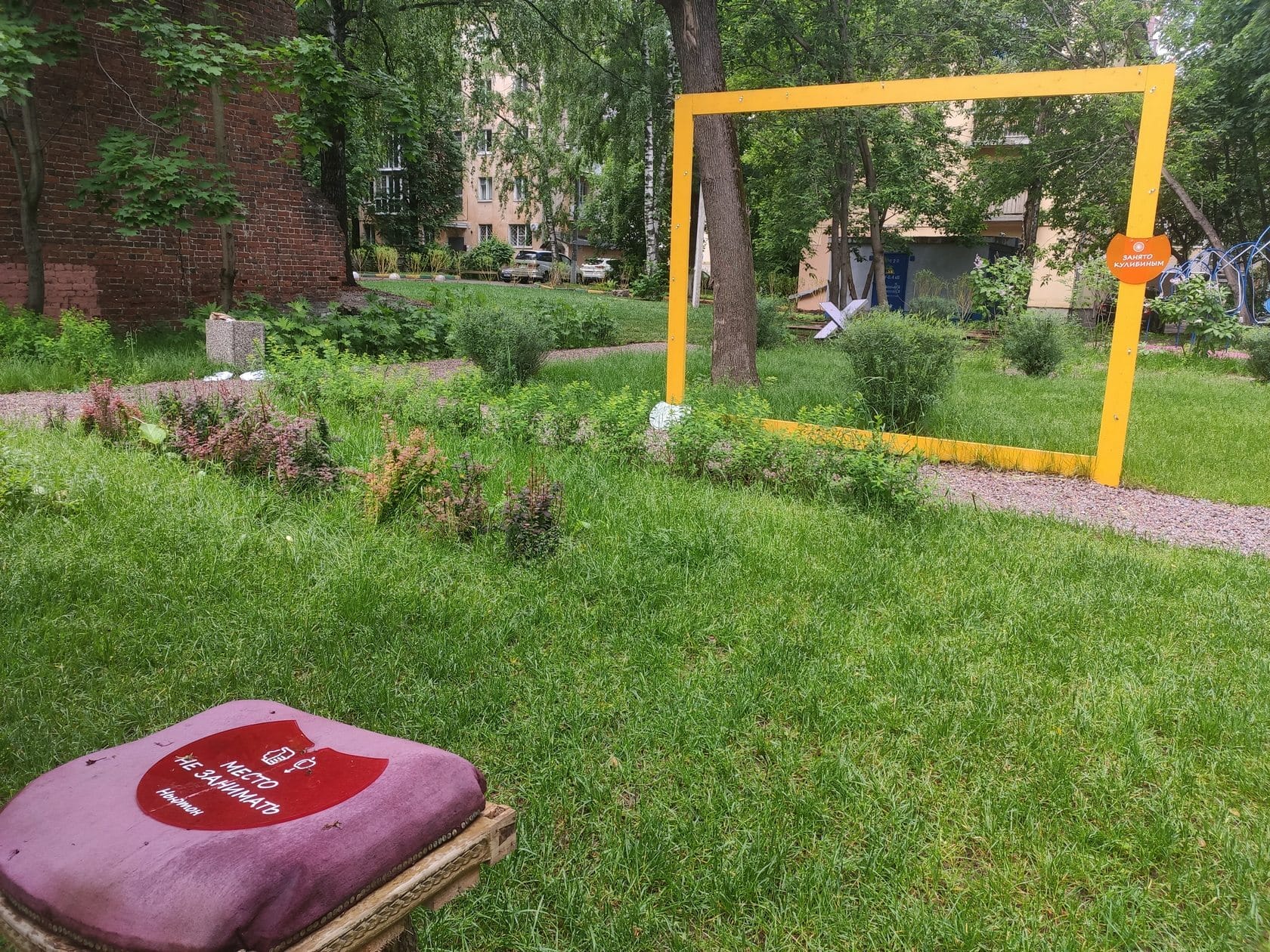
Kulibin Garden
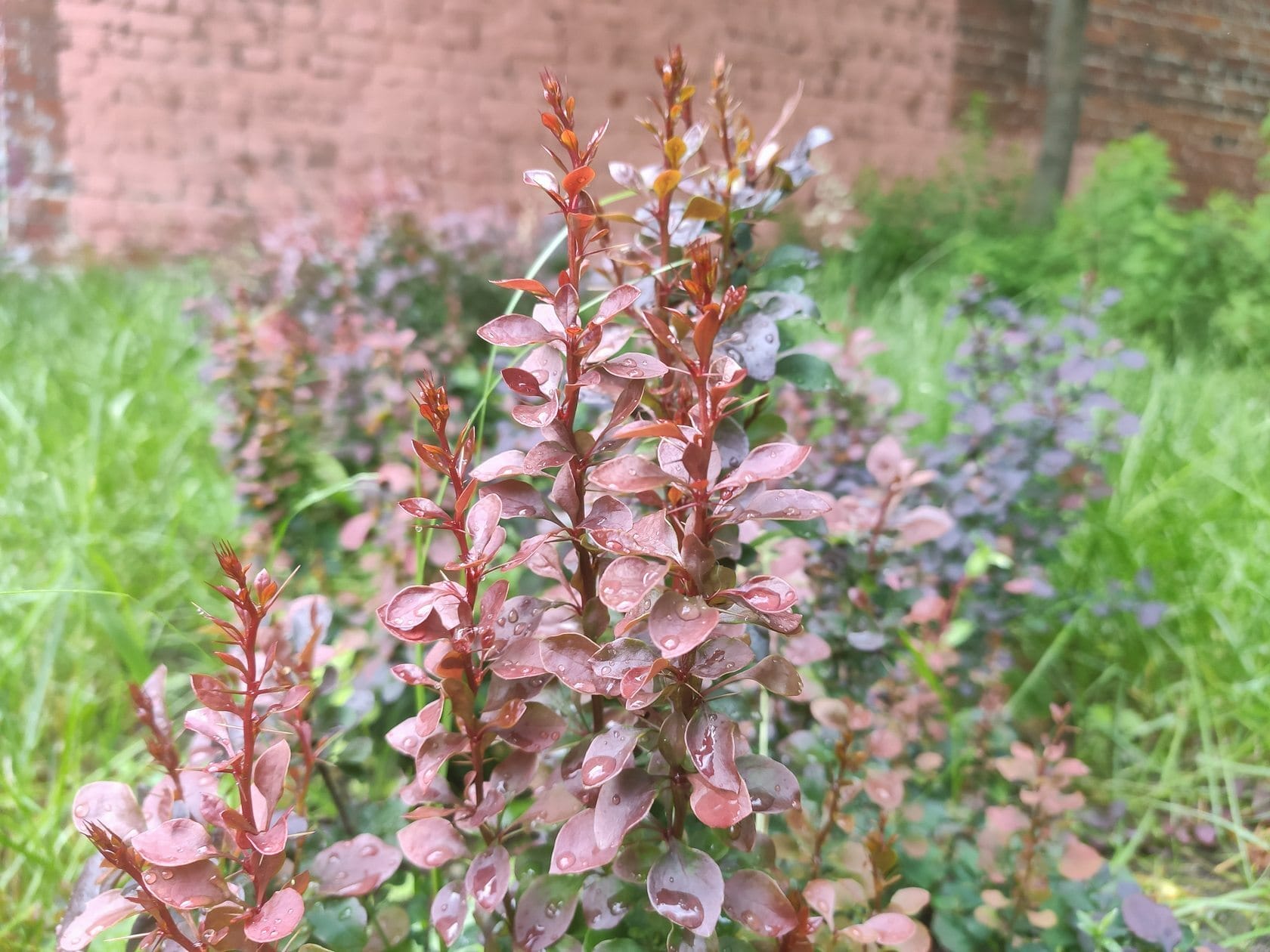
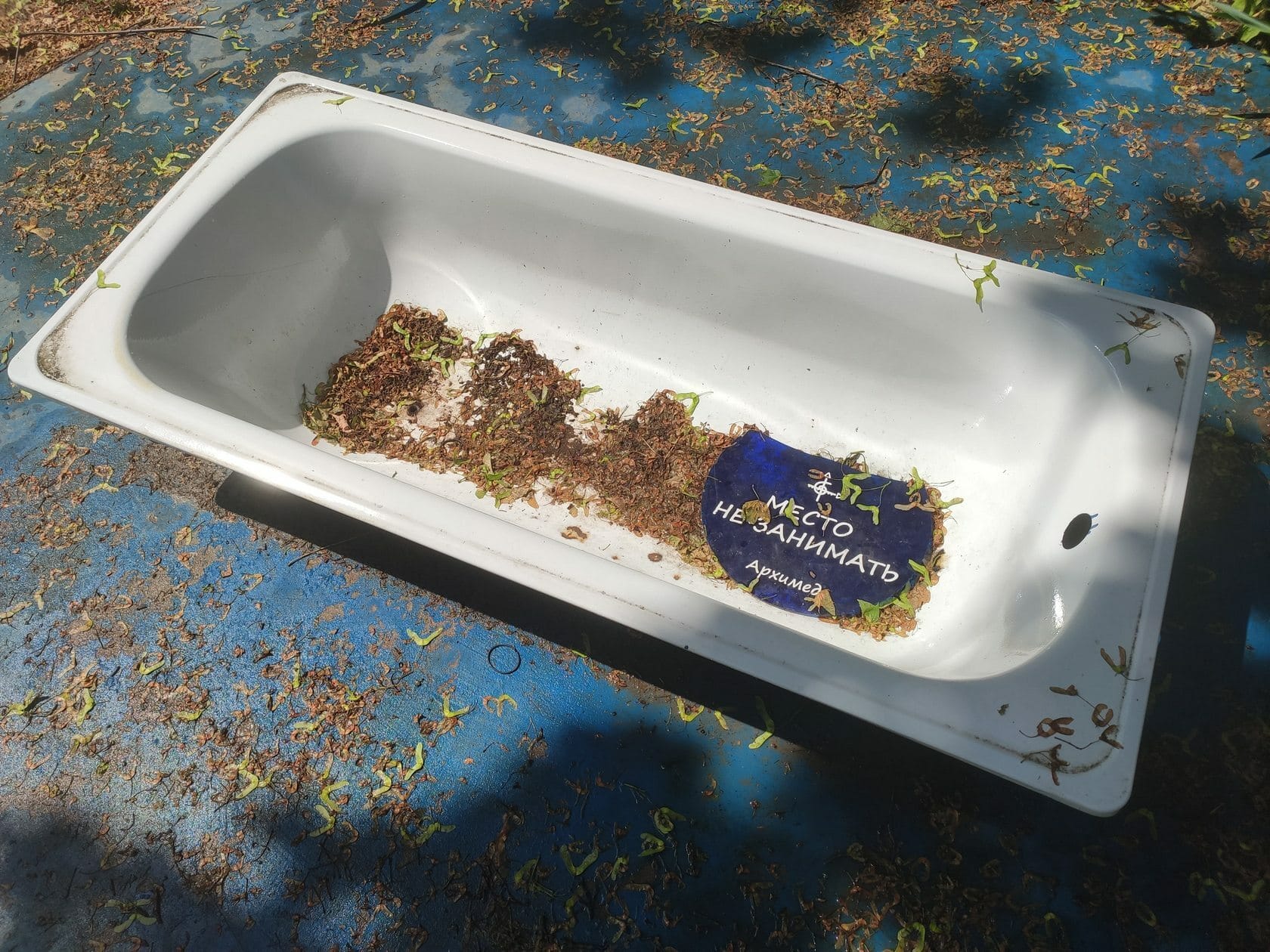
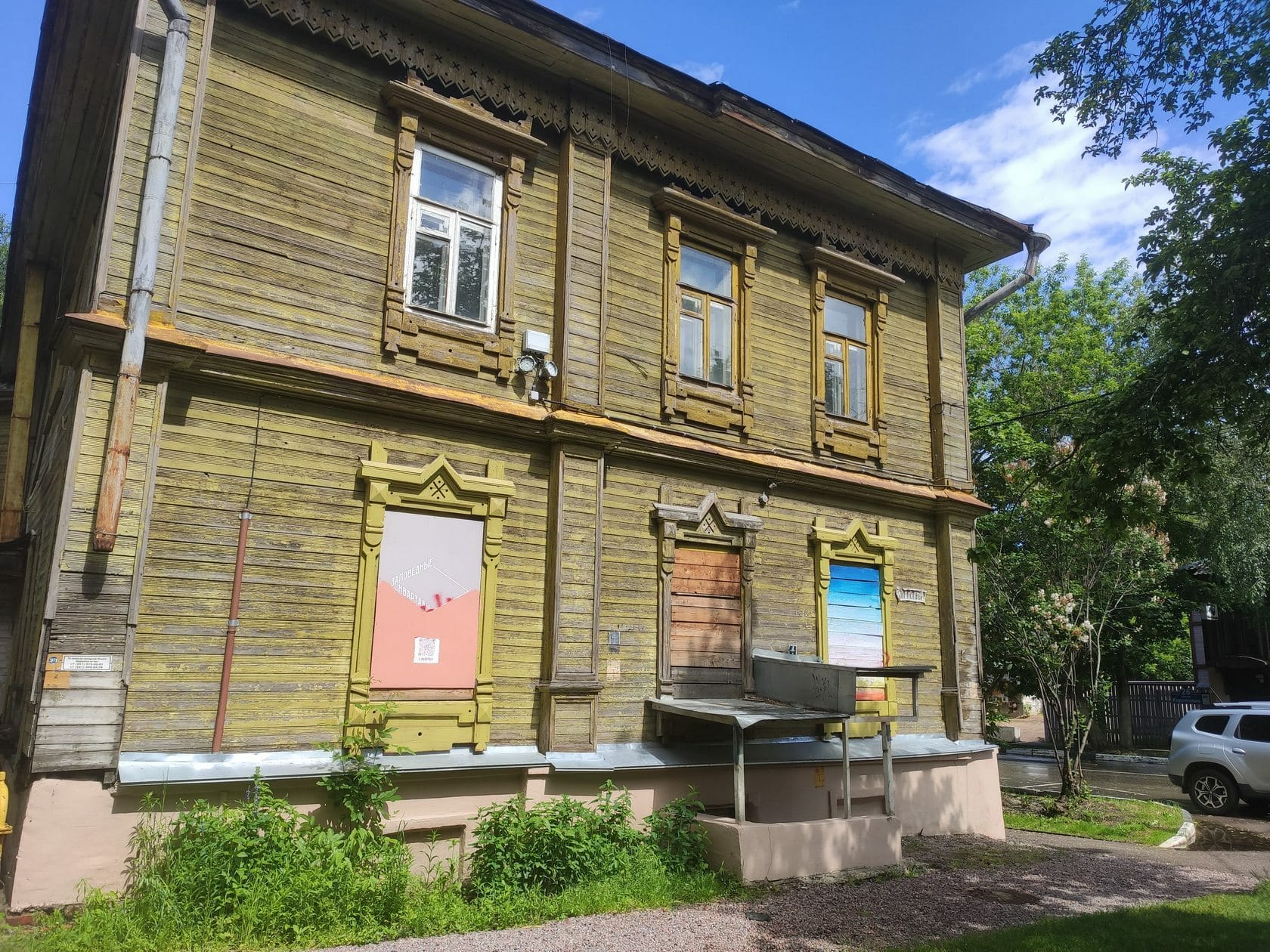
Residential building of I. F. Eglit
Add to your YouTube “Watch later” Arkady Gershman’s video about the “heart” of Nizhny — the quarters around the Church of the Three Hierarchs
An urbanist paradise in the center of Nizhny Novgorod
But there’s another important context of the city, favorable for a walking tourist-explorer — street art. There’s a lot of it, it’s great, and you can find it in the Reserve Quarters too. And I have a lifehack for free immersion.
Reach out to the chatbot of the “Mesto” project and select the blue branch.
And here’s a map of street art objects that will give you a sense of the scale of this context in Nizhny
Tram No. 2 tour
The electric tram has been delighting passengers in Nizhny since 1896. It appeared here among the first in the Russian Empire.
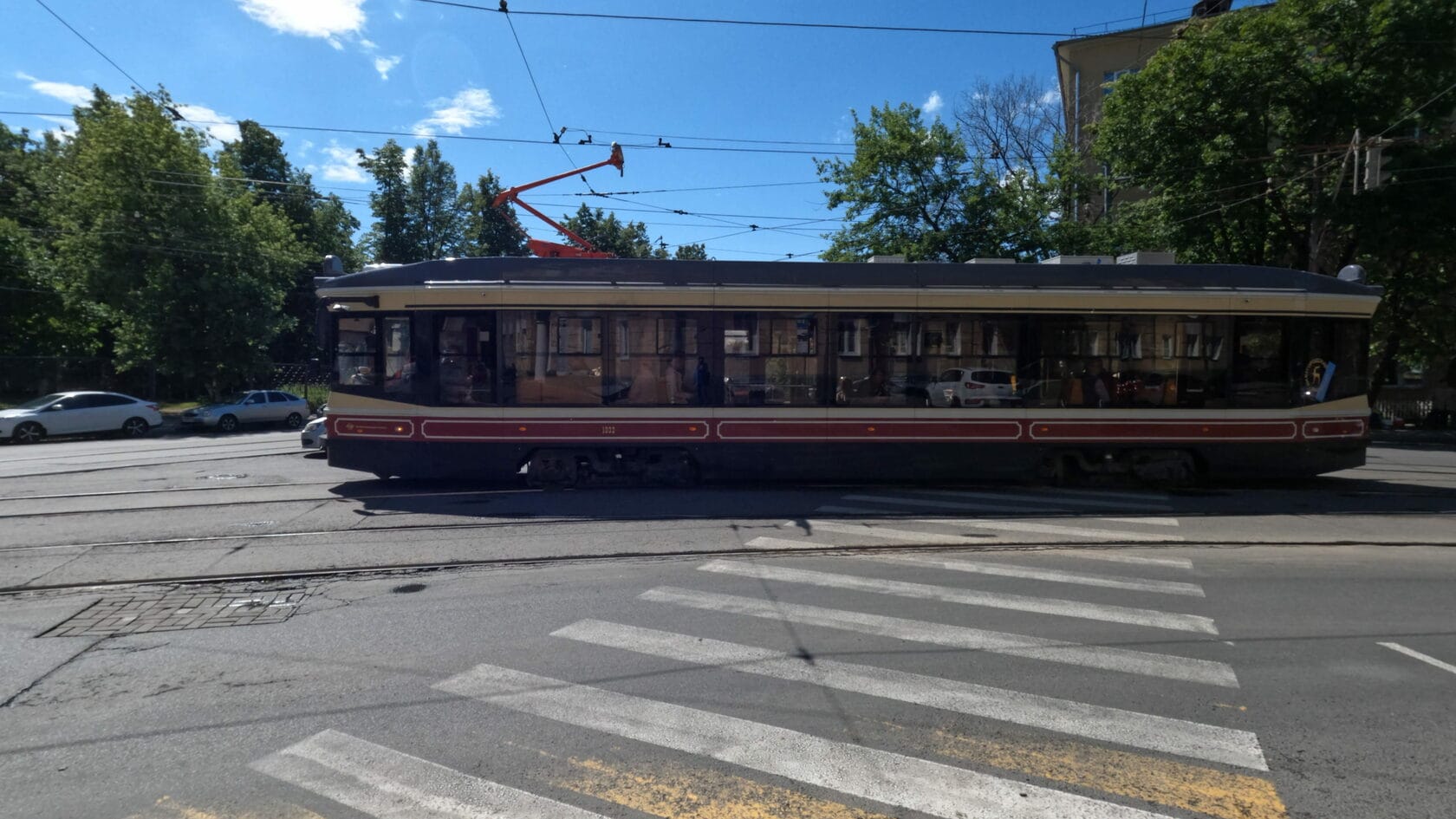
On Bolshaya Pokrovskaya Street stands a decorative tram car in memory of this very fact.
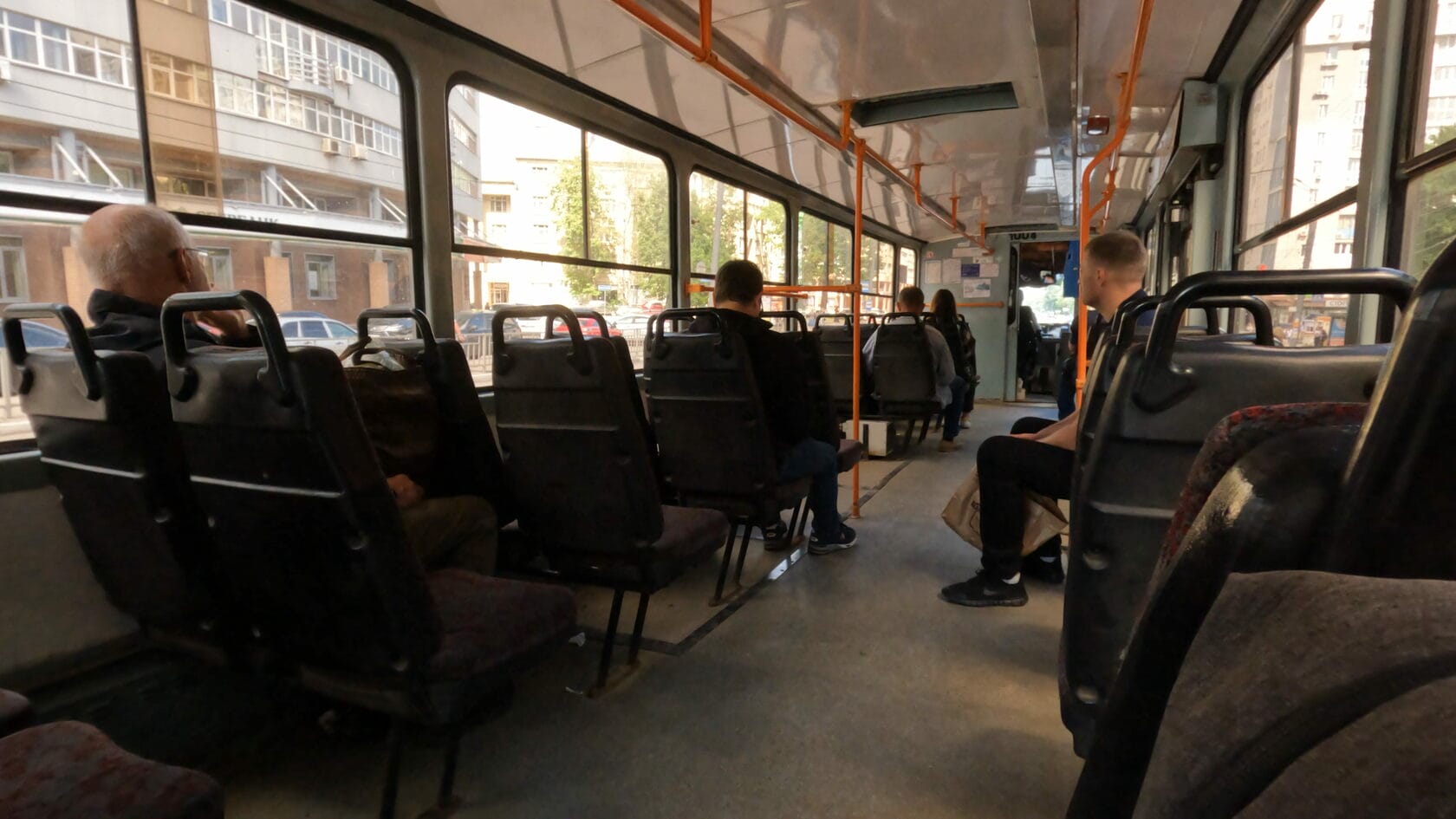
Route No. 2 is a circular one that follows the historic center. An ideal candidate for a chatbot-format guide.
You select the stop where you boarded and the direction, and then press “next” as you go.
Look at photos, read information, listen to audio.
This instantly inspired the idea that Kirov’s trolleybus route 8 could get the same thing. We’re already looking into how to do it.
Cable car
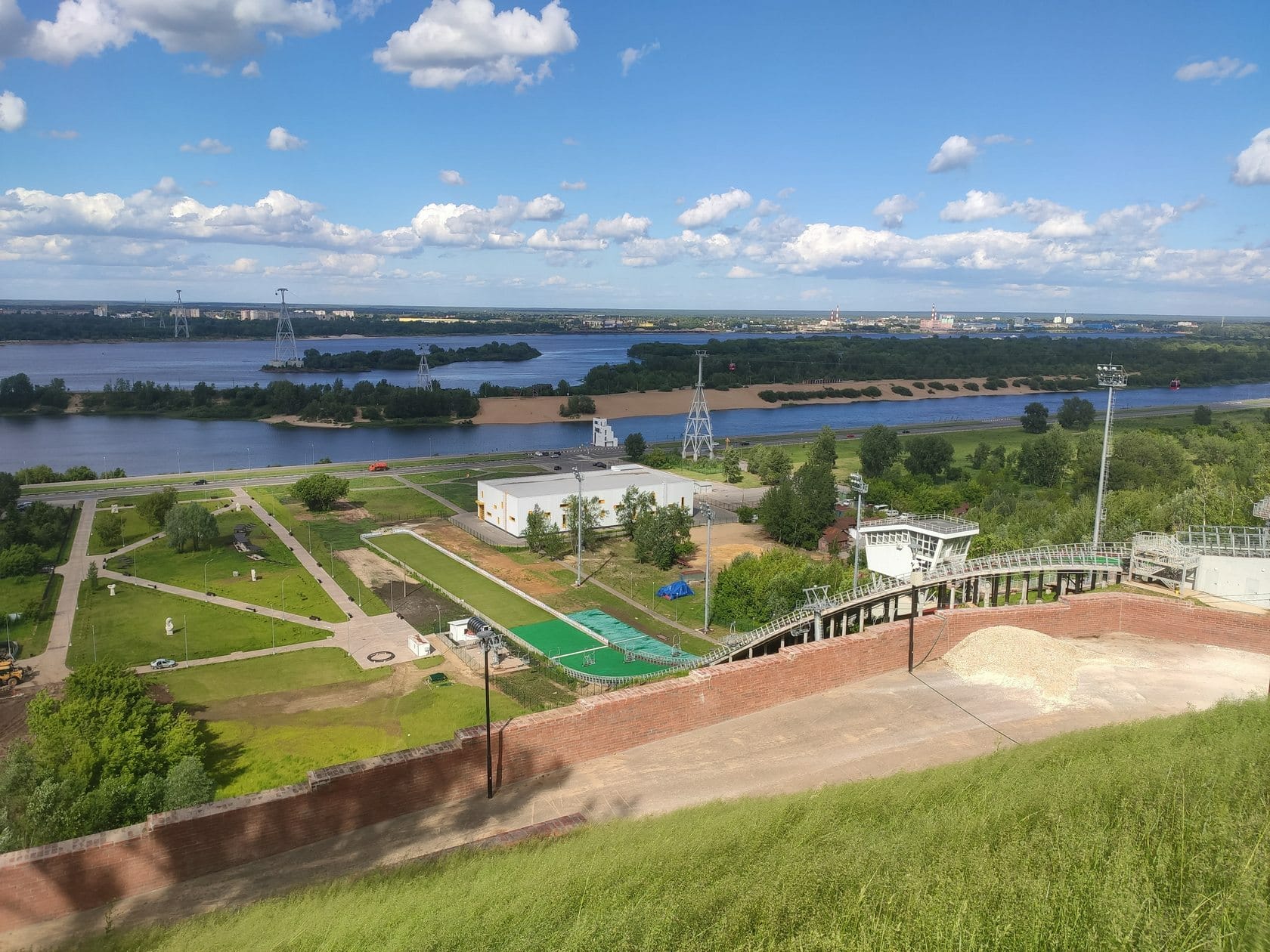
View of the cable car in Nizhny Novgorod
Up to this point, you might have thought you weren’t in some super popular travel destination. But it turned out not to be about tourist hype. The cable car here serves not as an attraction, but as a connection between Nizhny and its satellite town of Bor.
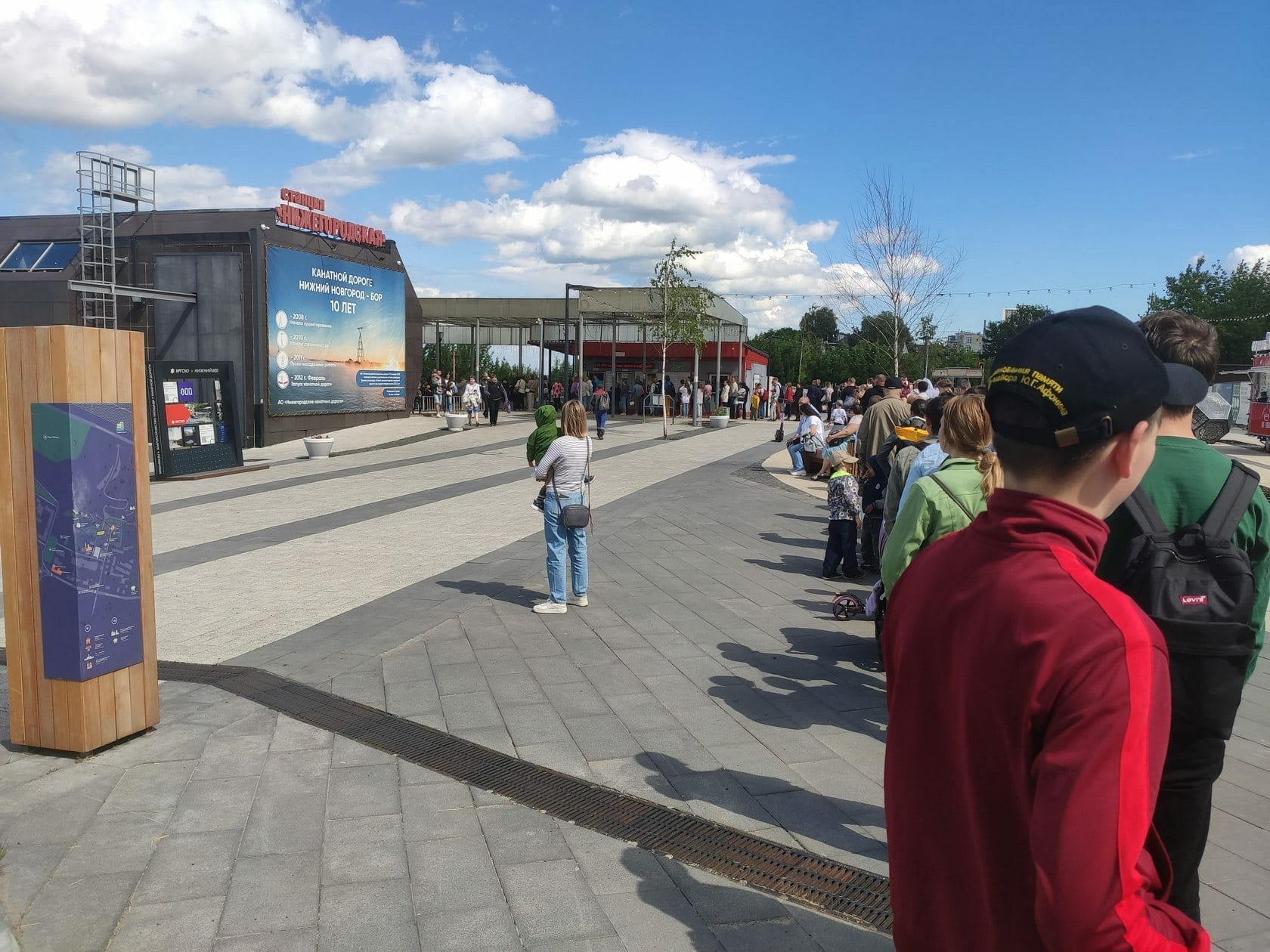
A 40-minute queue
Did Luis Suárez and Edinson Cavani of the Uruguay national football team, who stayed at a base in Bor, use it during the 2018 FIFA World Cup? Probably not :)
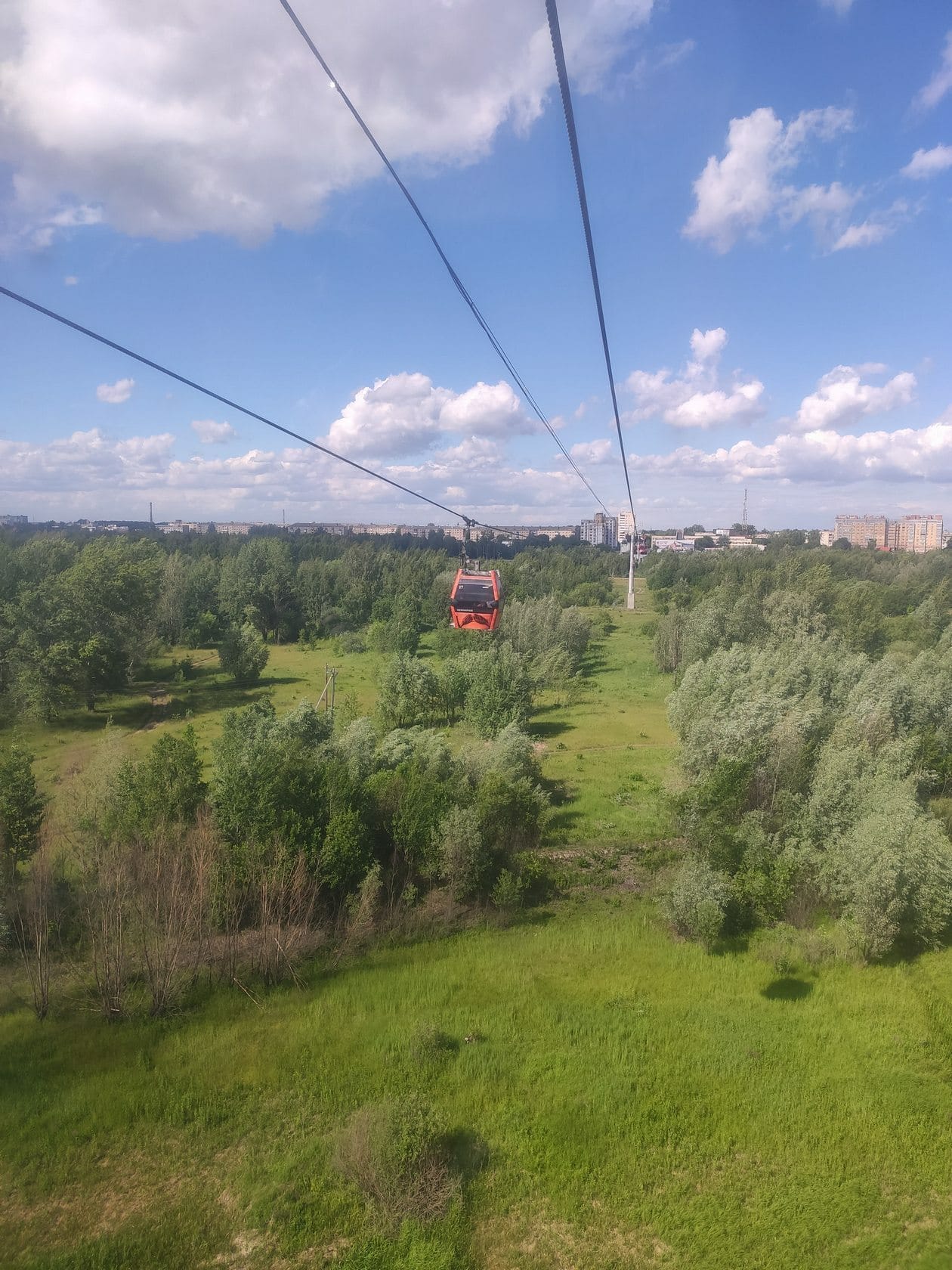
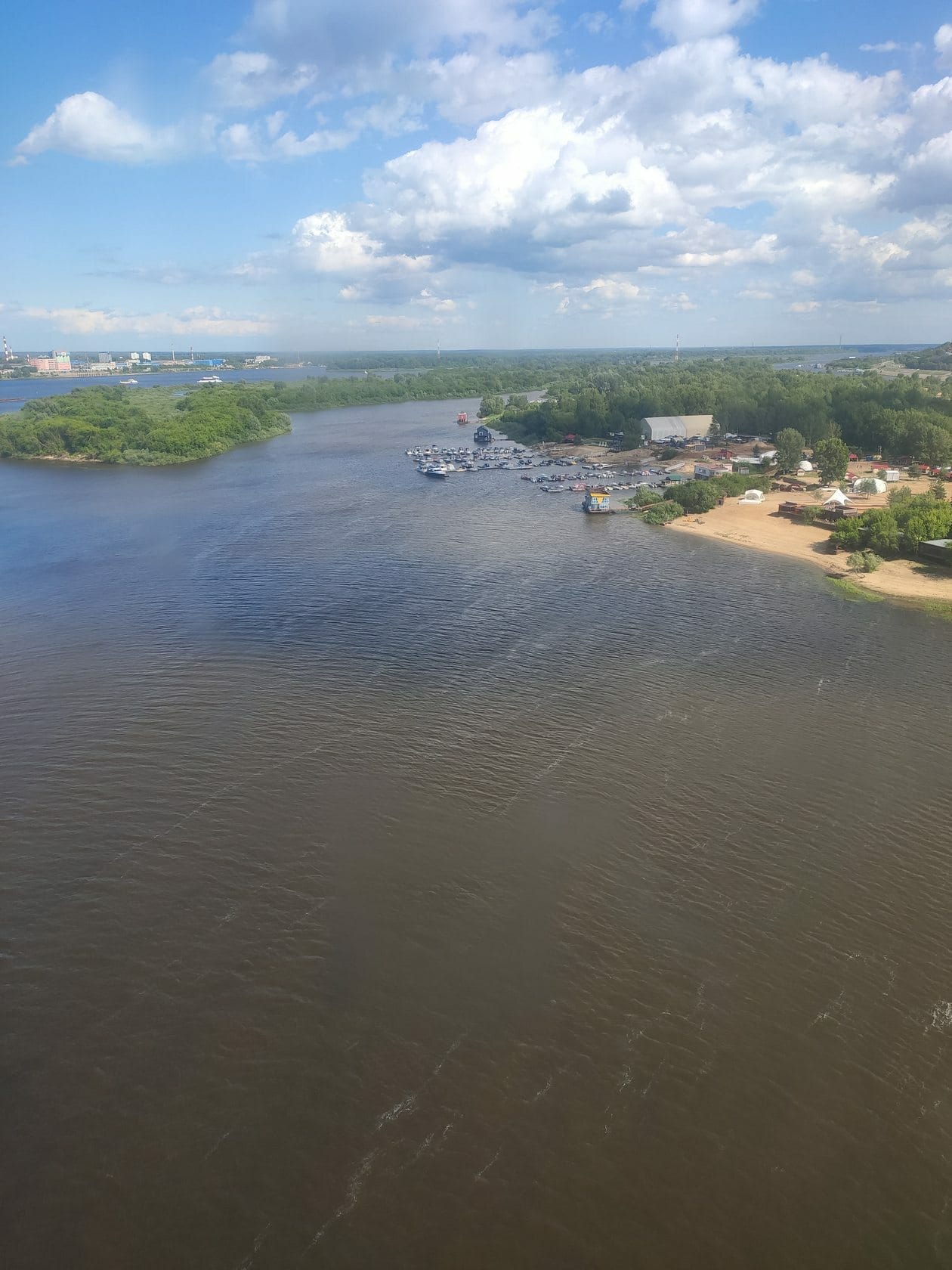
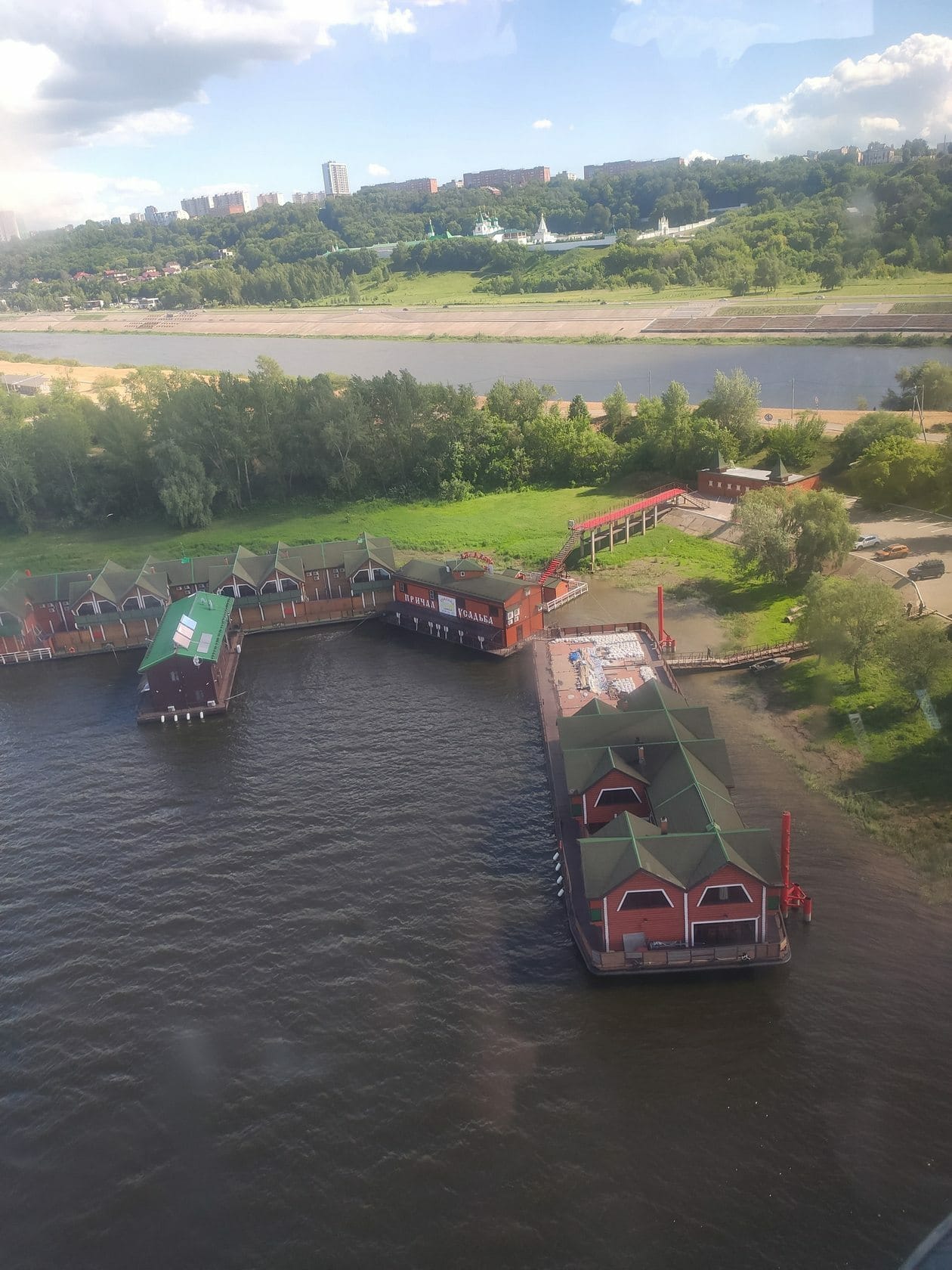
Some impressive figures
3,661 meters
the length of the cable car in Nizhny
12.5 minutes
average travel time one way
500 people per hour
capacity
Another of its unique features is that it’s the only one of its kind in Russia and Europe with a span over water without supports, at a distance of 861 meters
Upper Volga Embankment
A Ferris wheel hasn’t inspired me for some 18 years, but the architecture that met my eyes on the Upper Volga Embankment — oh yes.
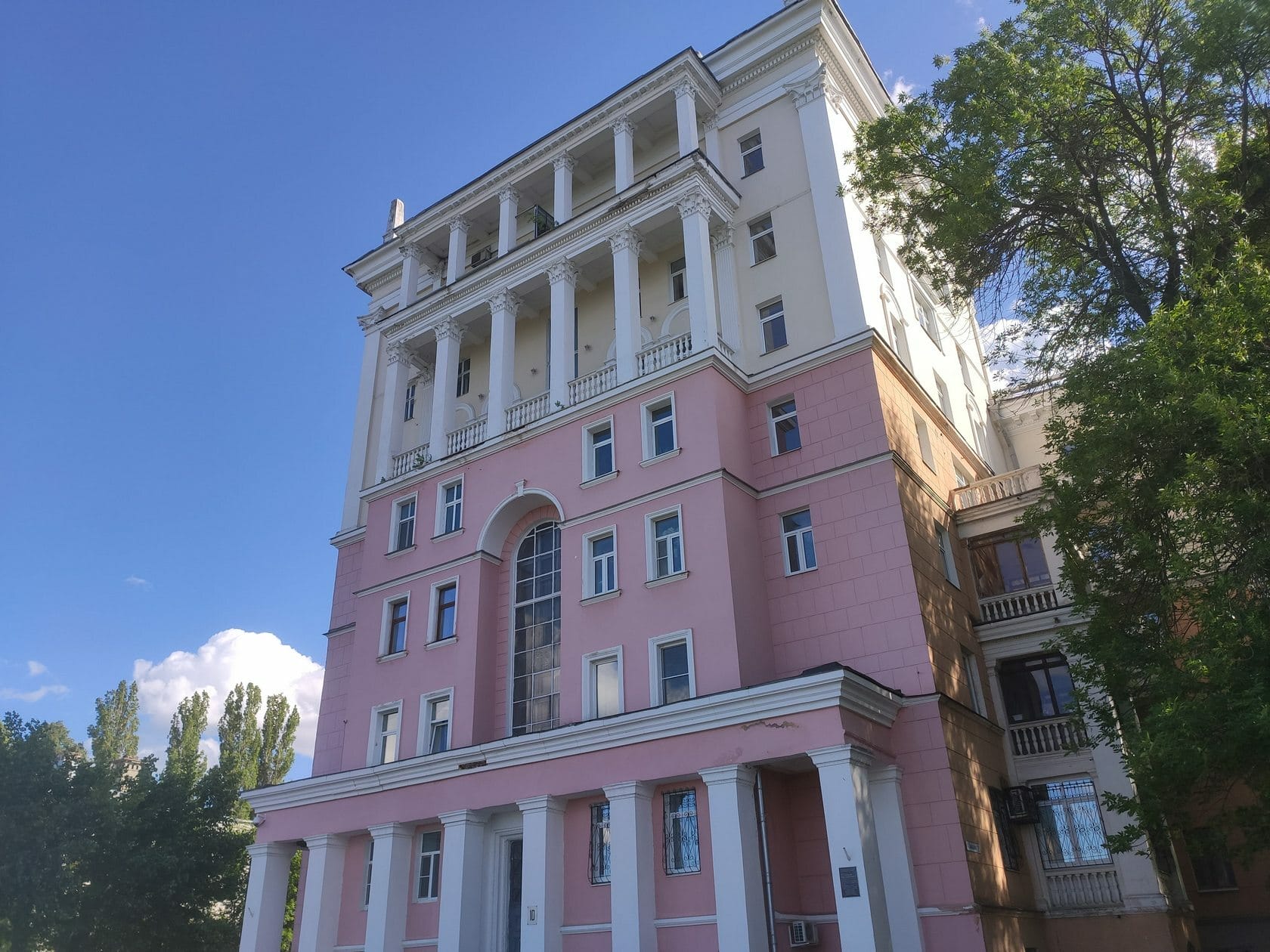
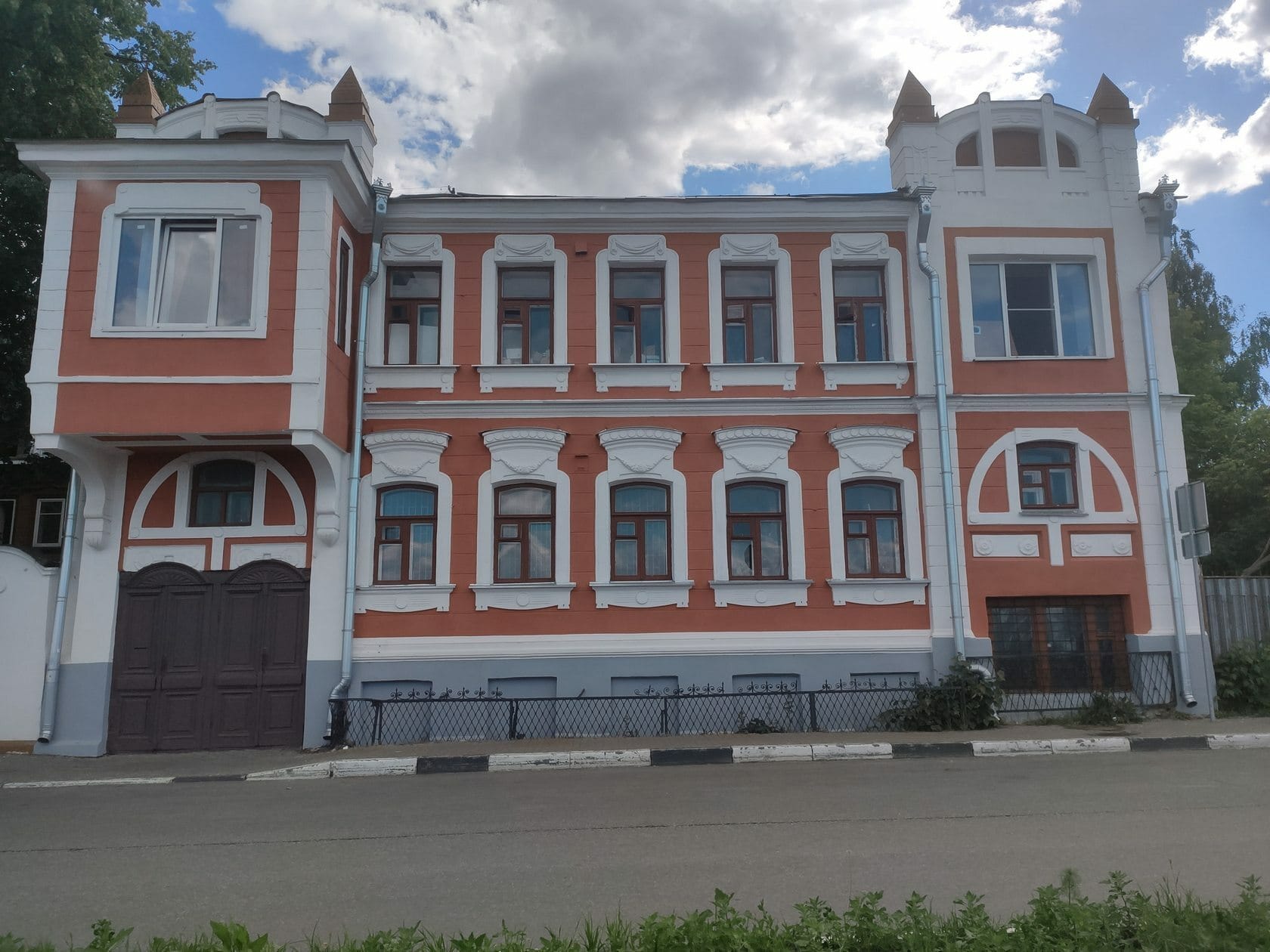
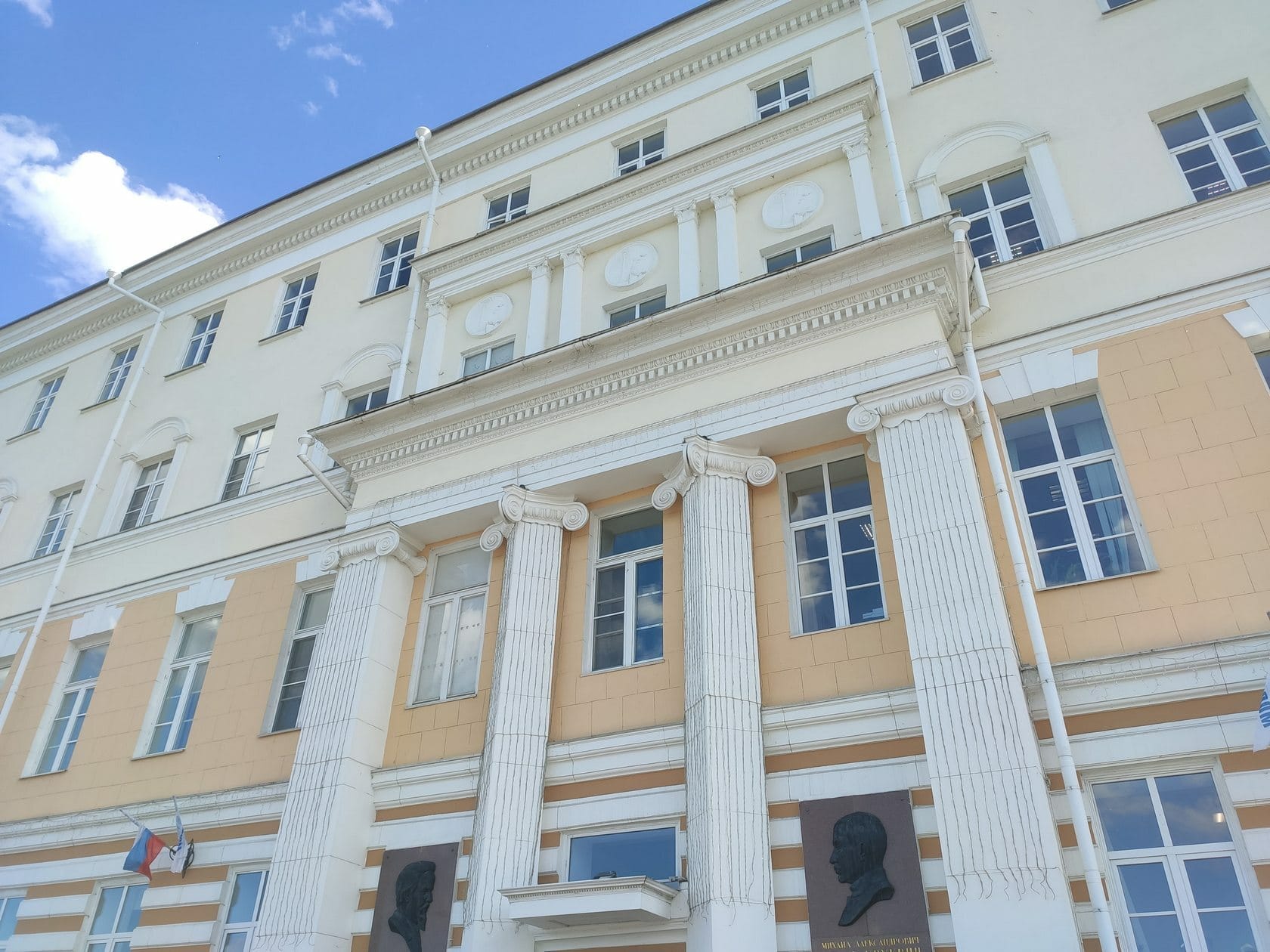
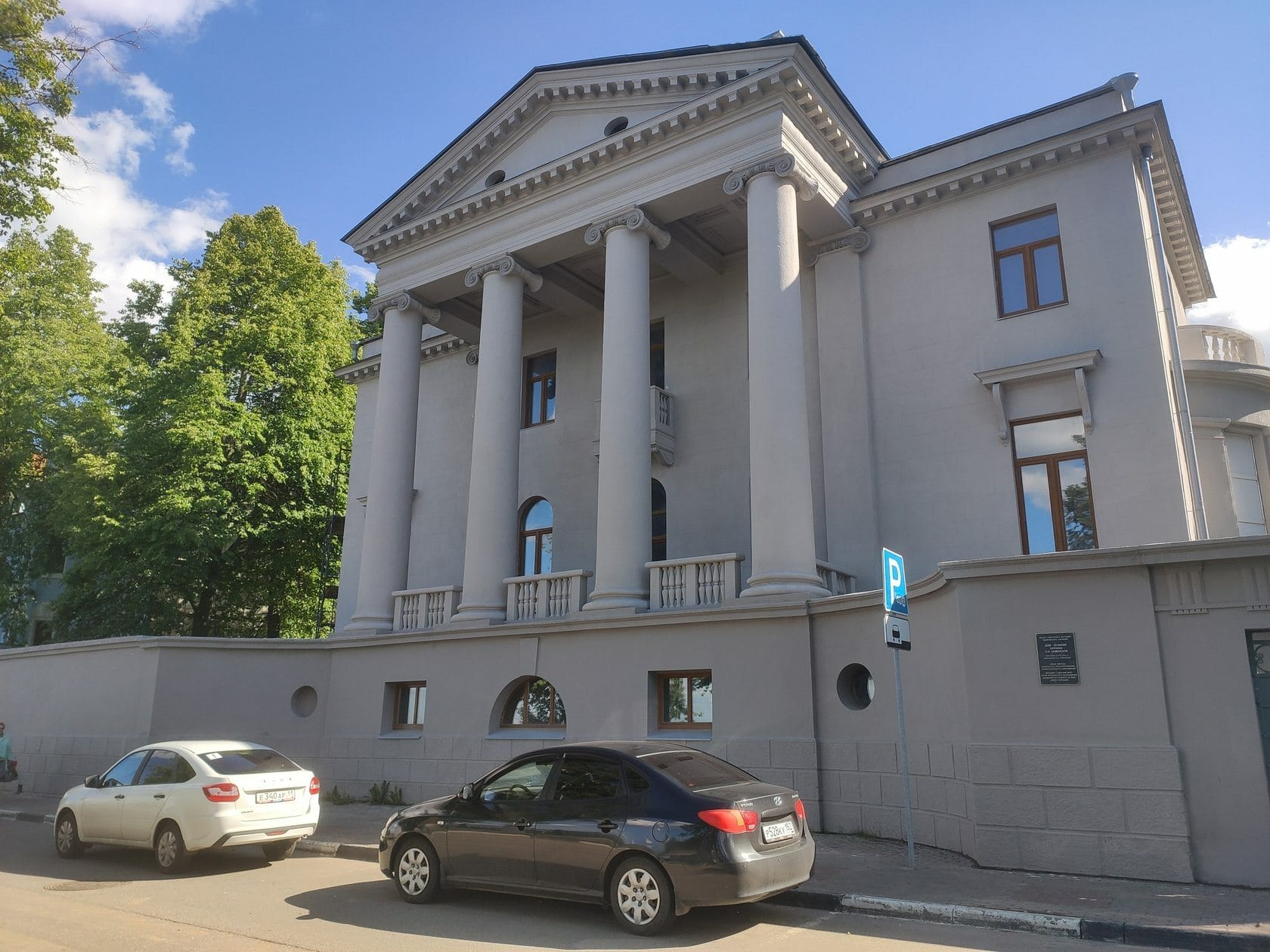
The most-wow of all — the Rukavishnikov Estate, considered the most luxurious house in Nizhny Novgorod in the 19th century.
In 2022 — it’s the main building of the Nizhny Novgorod State Historical-Architectural Museum-Reserve
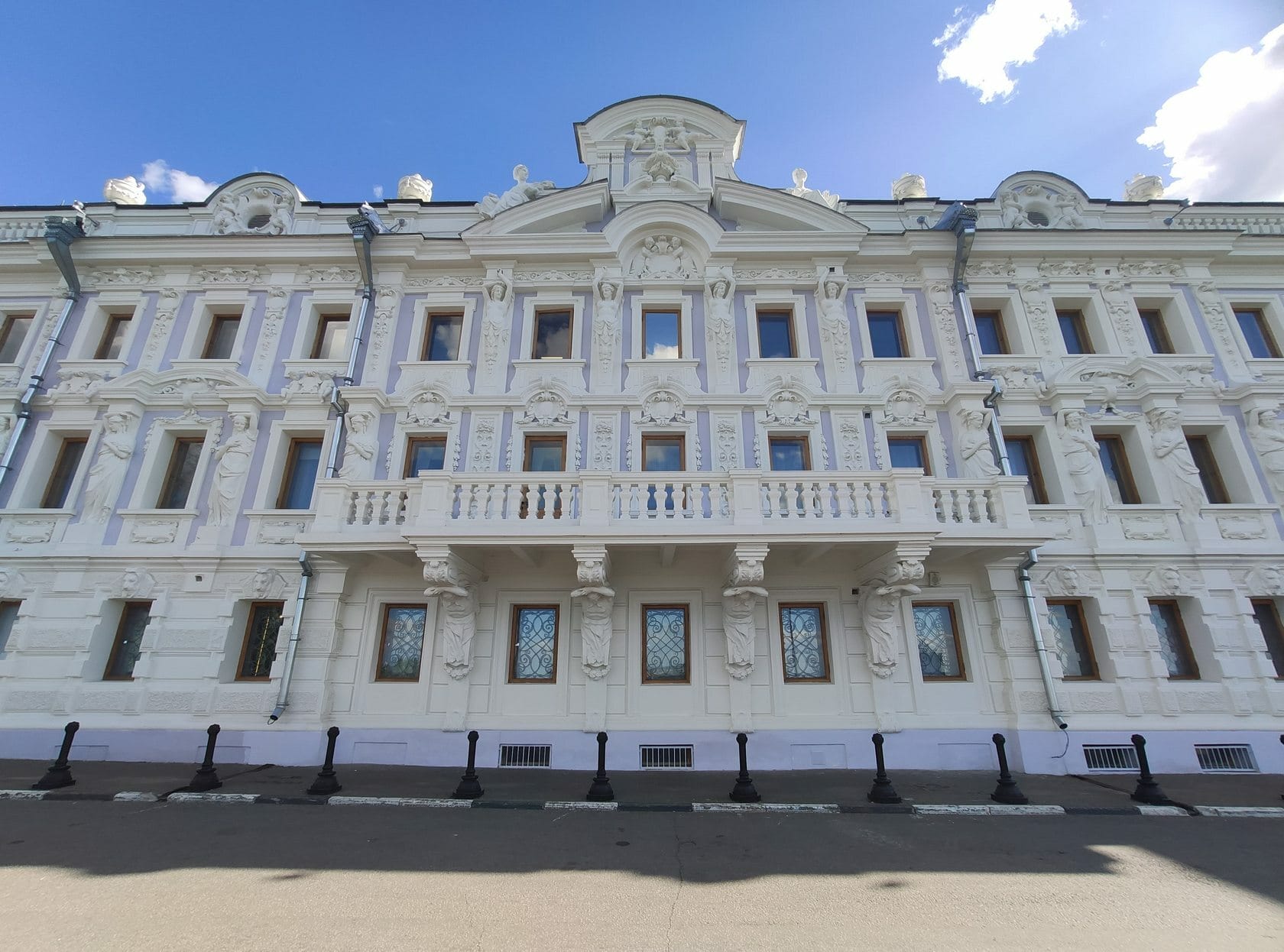
And when you tear yourself away from the buildings and remember the word “embankment” in the street’s name — you get lost in the Volga instead.
This street ended for me with a chord made of the Volga Steamship Society building, the St. George’s Tower of the Nizhny Novgorod Kremlin (we’ll come back to it), and the observation deck behind the monument to the famous pilot Valery Pavlovich Chkalov, who made a flight from the USSR to the USA via the North Pole.
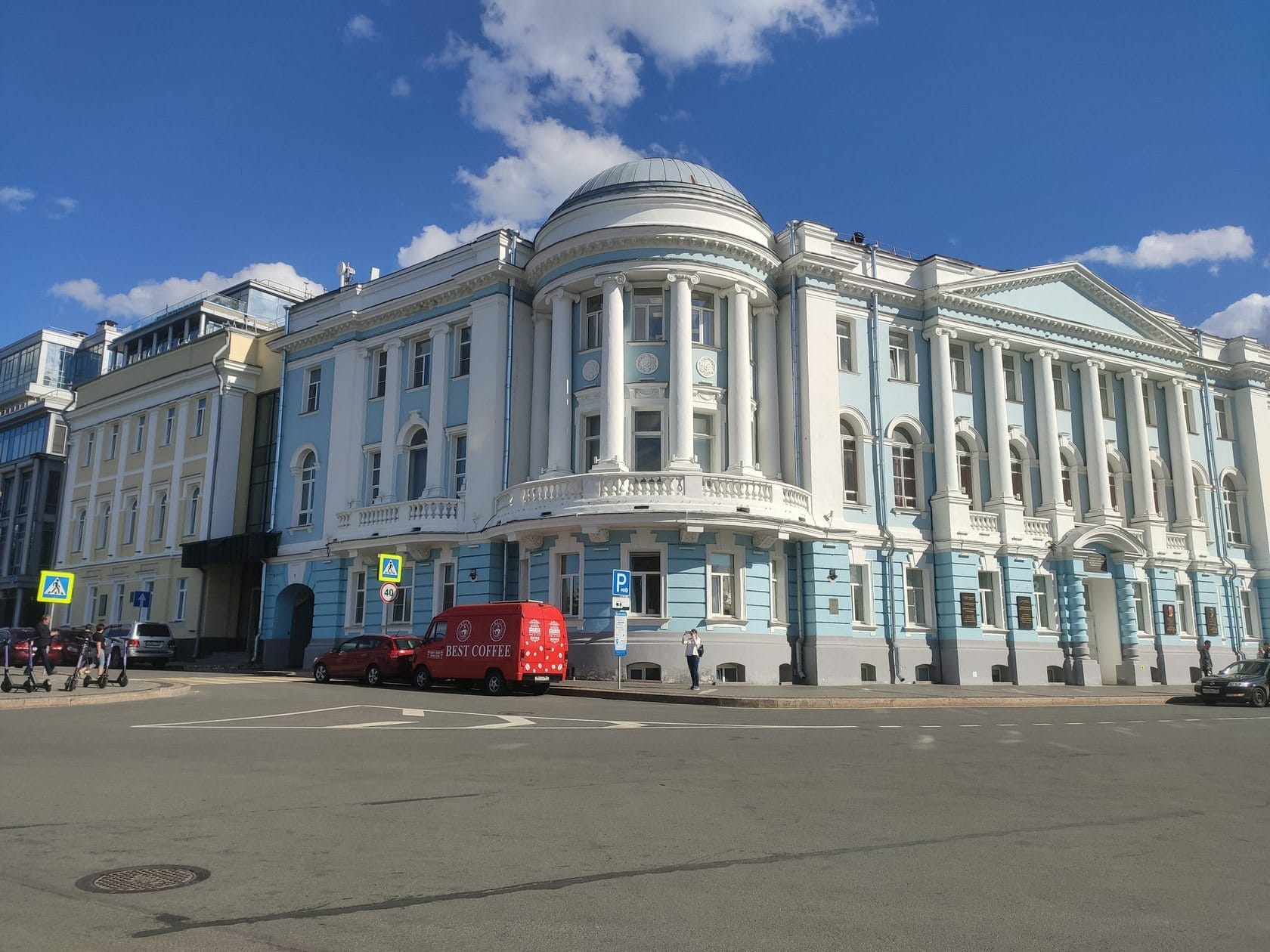
Volga Steamship Society Building
Chkalov Staircase
I still had to confirm that Nizhny is the capital of sunsets, but the joking “Nizhny is the capital of staircases” I experienced on the very first day.
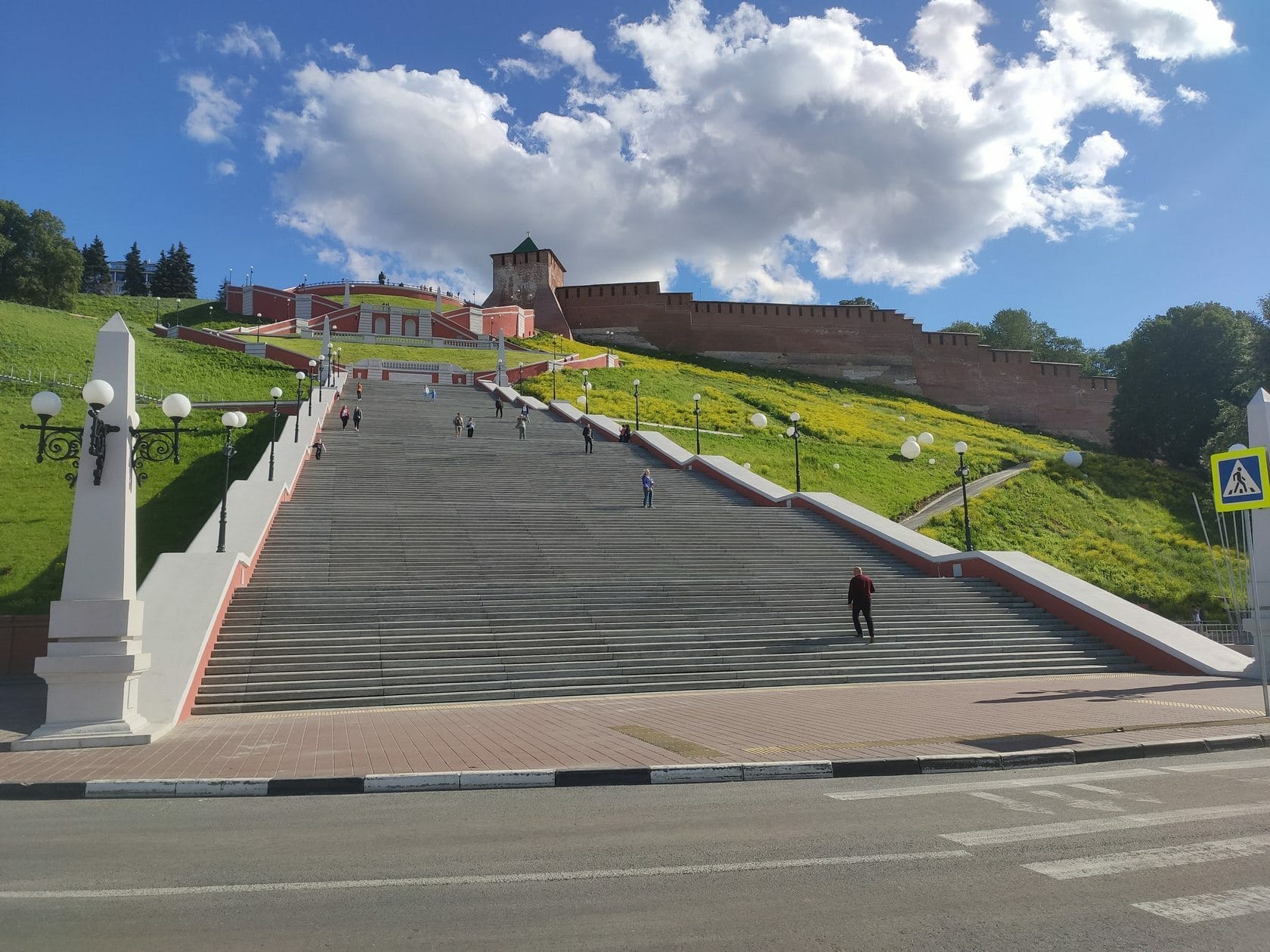
Its official name is Volzhskaya, but as with Switzerland — the popular name won. The grand staircase, solemnly opened for Navy Day in 1949, connected the Upper Volga Embankment with the Lower one.
It connected them so well that it became one of the city’s most recognizable landmarks and the longest in Russia until recently. 560 steps in total, and from bottom to top on the right side — 442.
Since December 2021, the leader is the Staircase to the Torgashinsky Ridge in Krasnoyarsk.
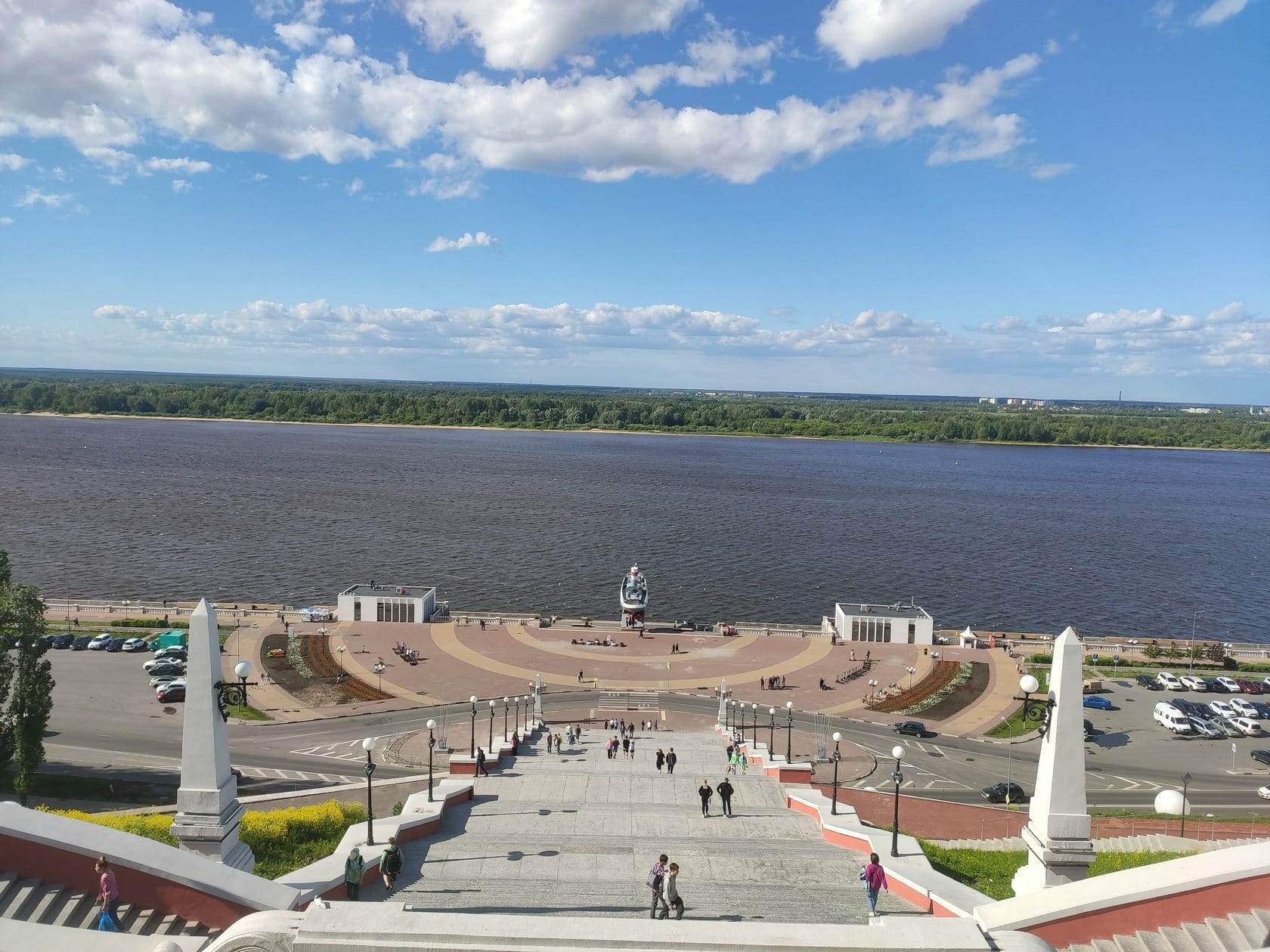
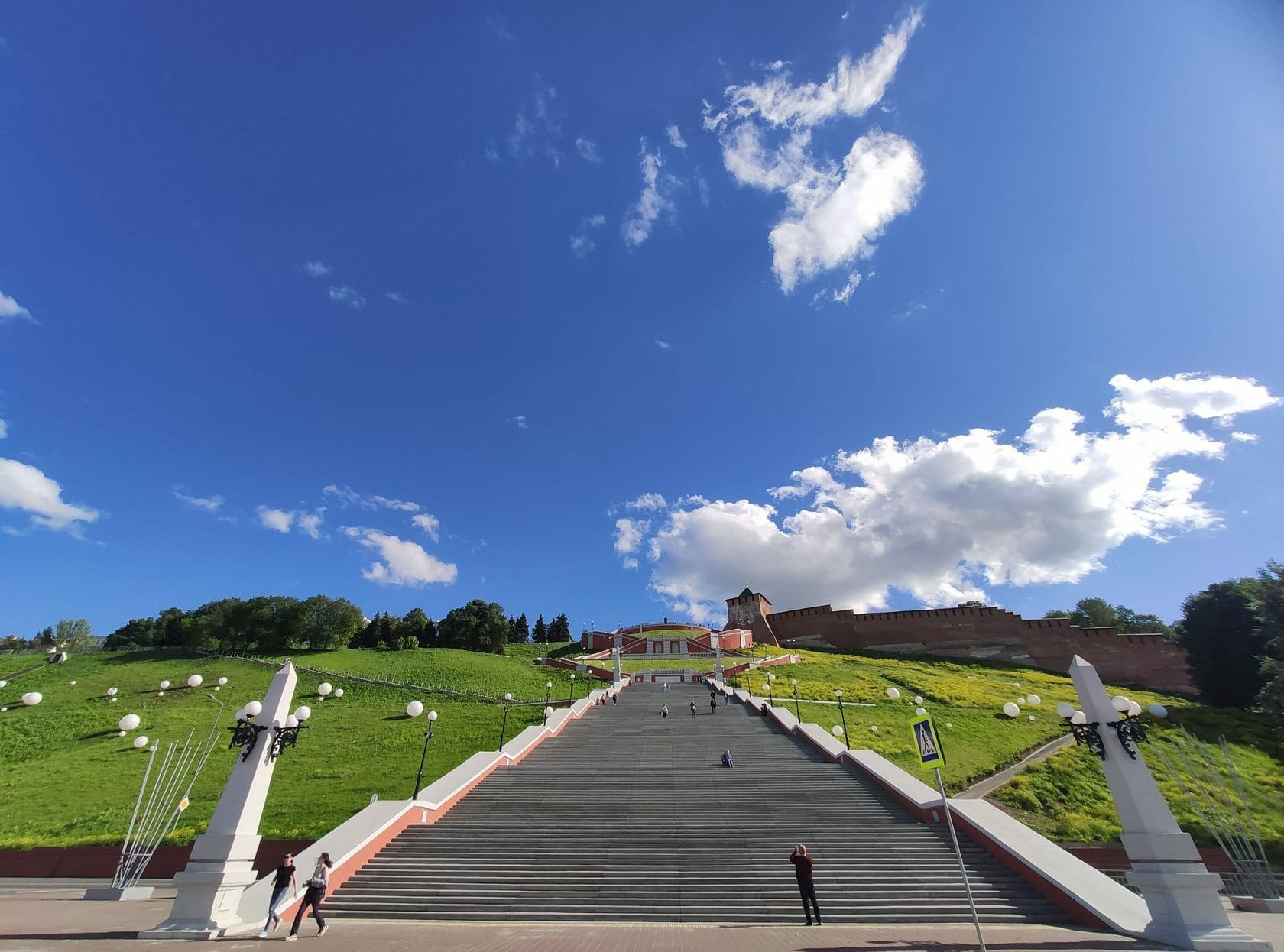
Lower Volga Embankment
The Lower Volga Embankment greets you with the “Hero” boat and wind. But also with frequent benches, a bike lane, and the Rukavishnikov Bank complex, better known as the Mayak Factory building.
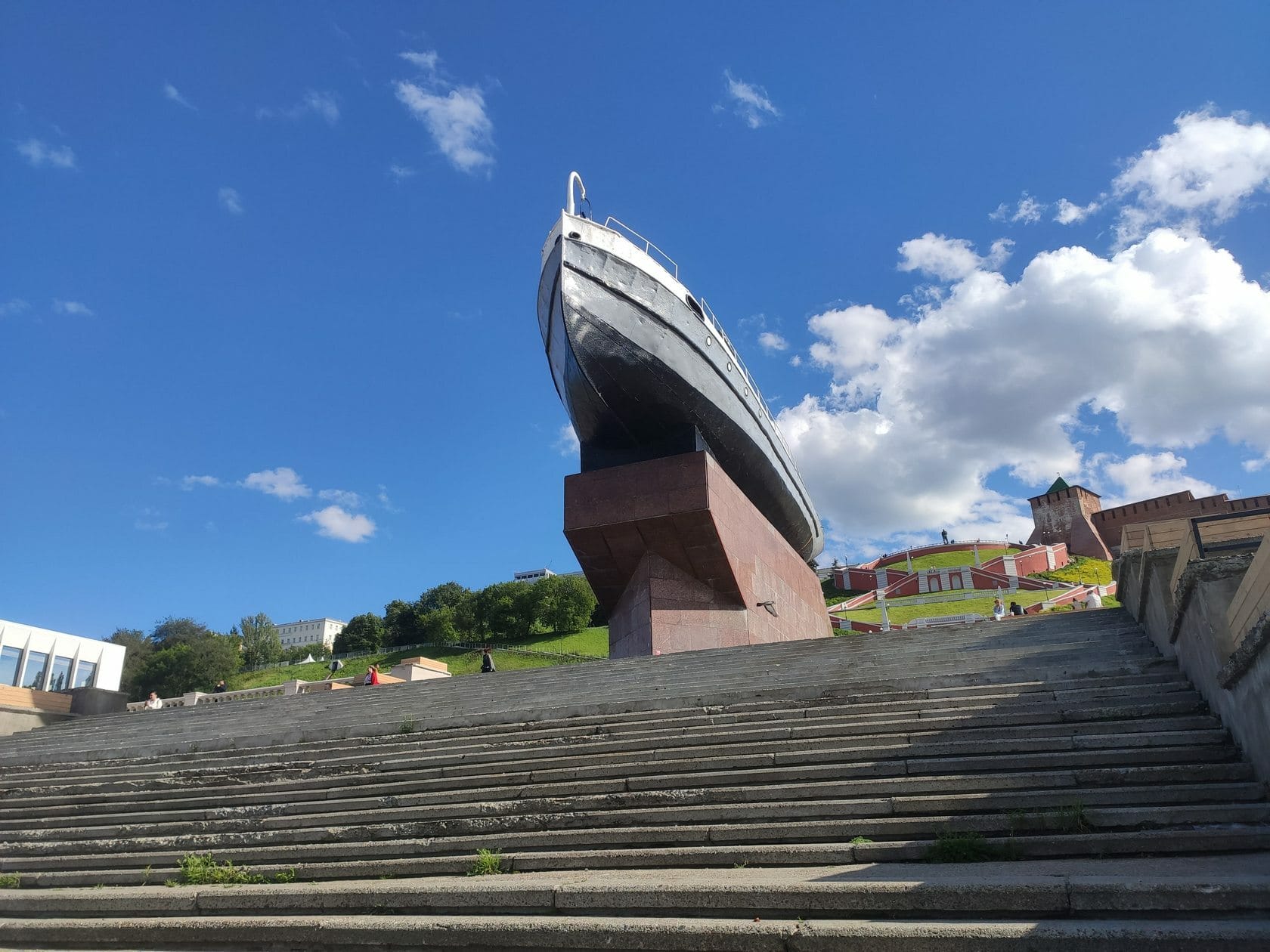
“Hero” boat
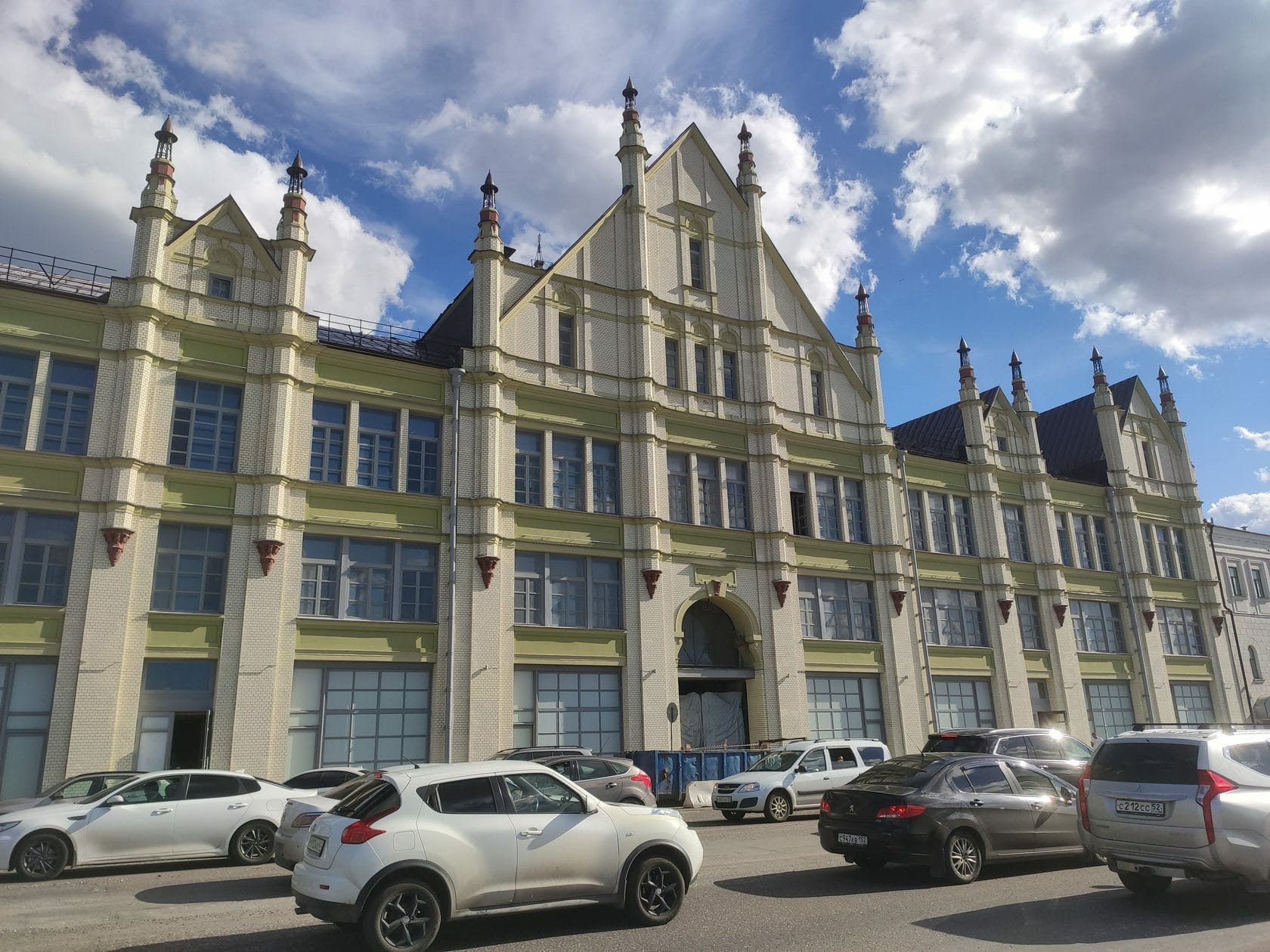
former “Mayak” factory building
I also noticed a high concentration of strip clubs and other attributes of a bustling nightlife after the River Station (you can verify this in Yandex/2GIS). A high concentration of beauty, of course, is also present.
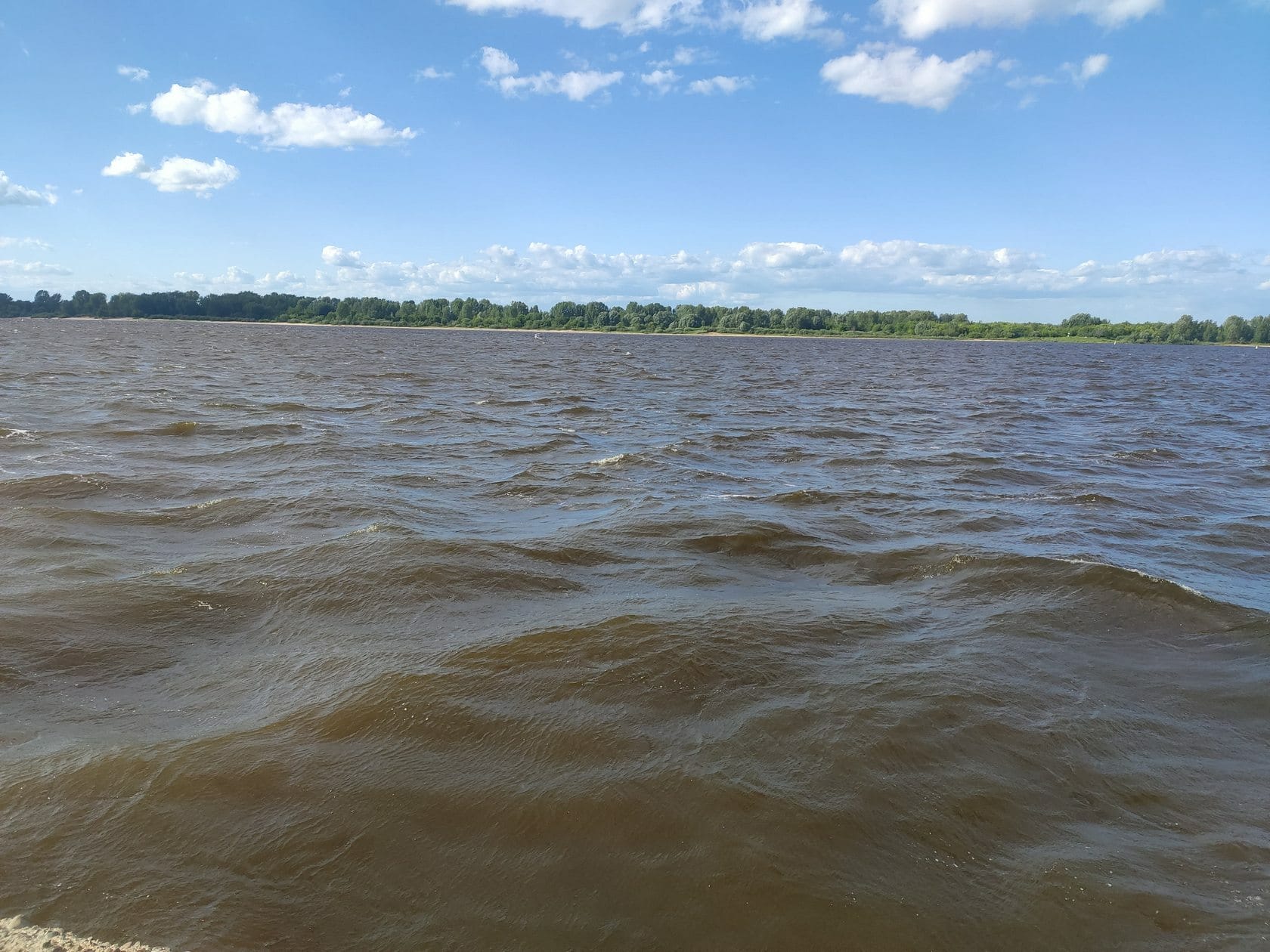
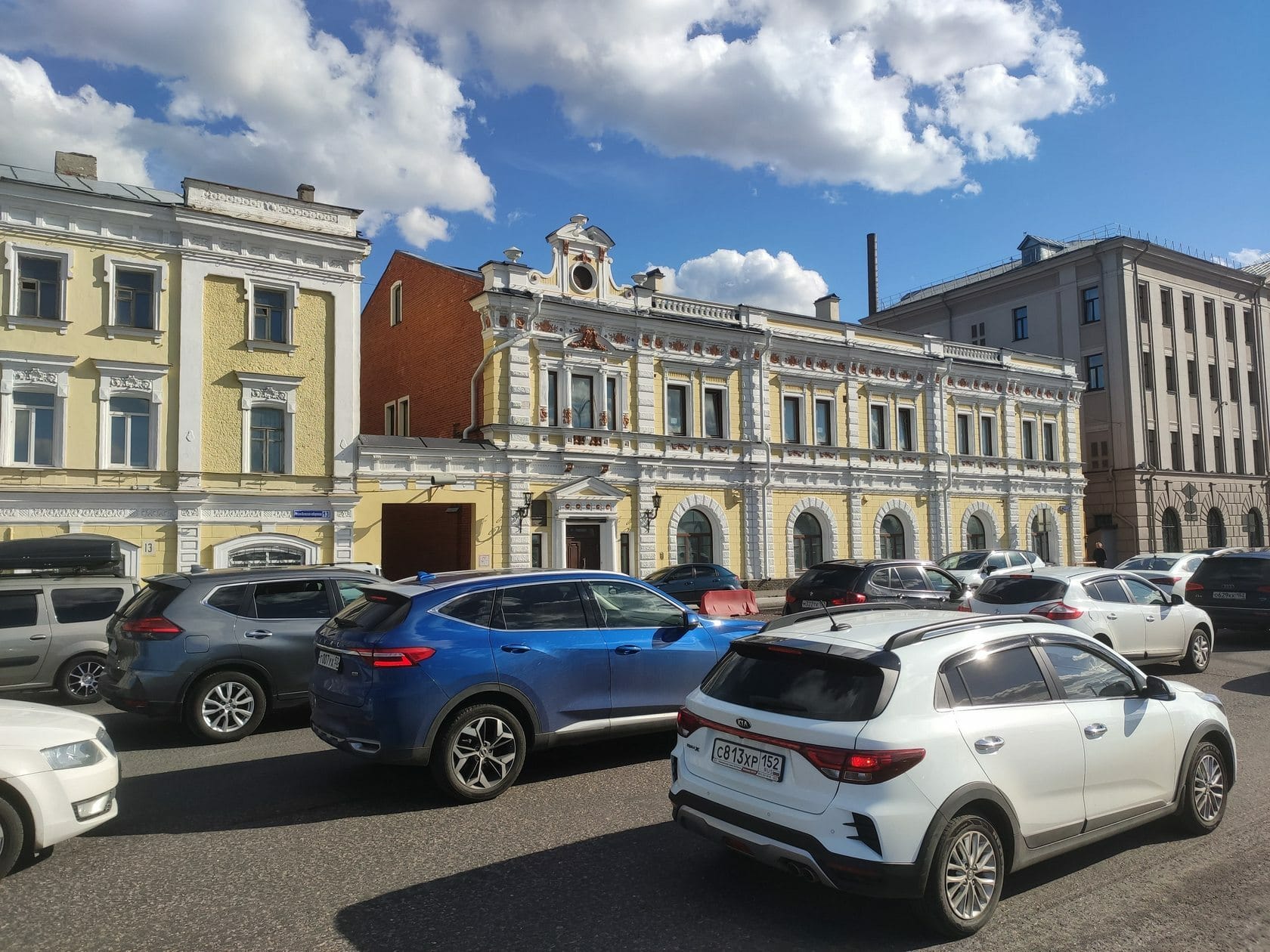
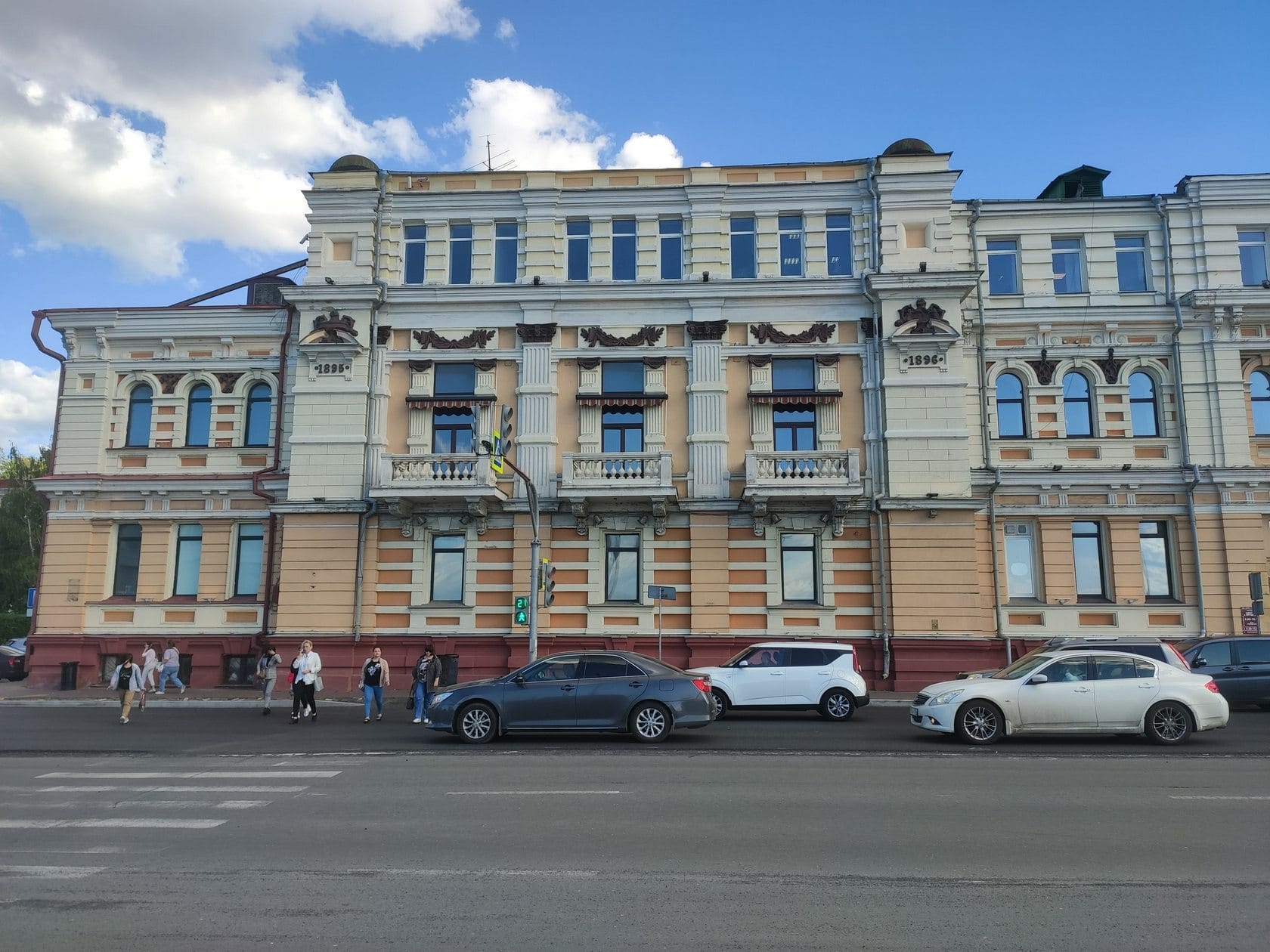
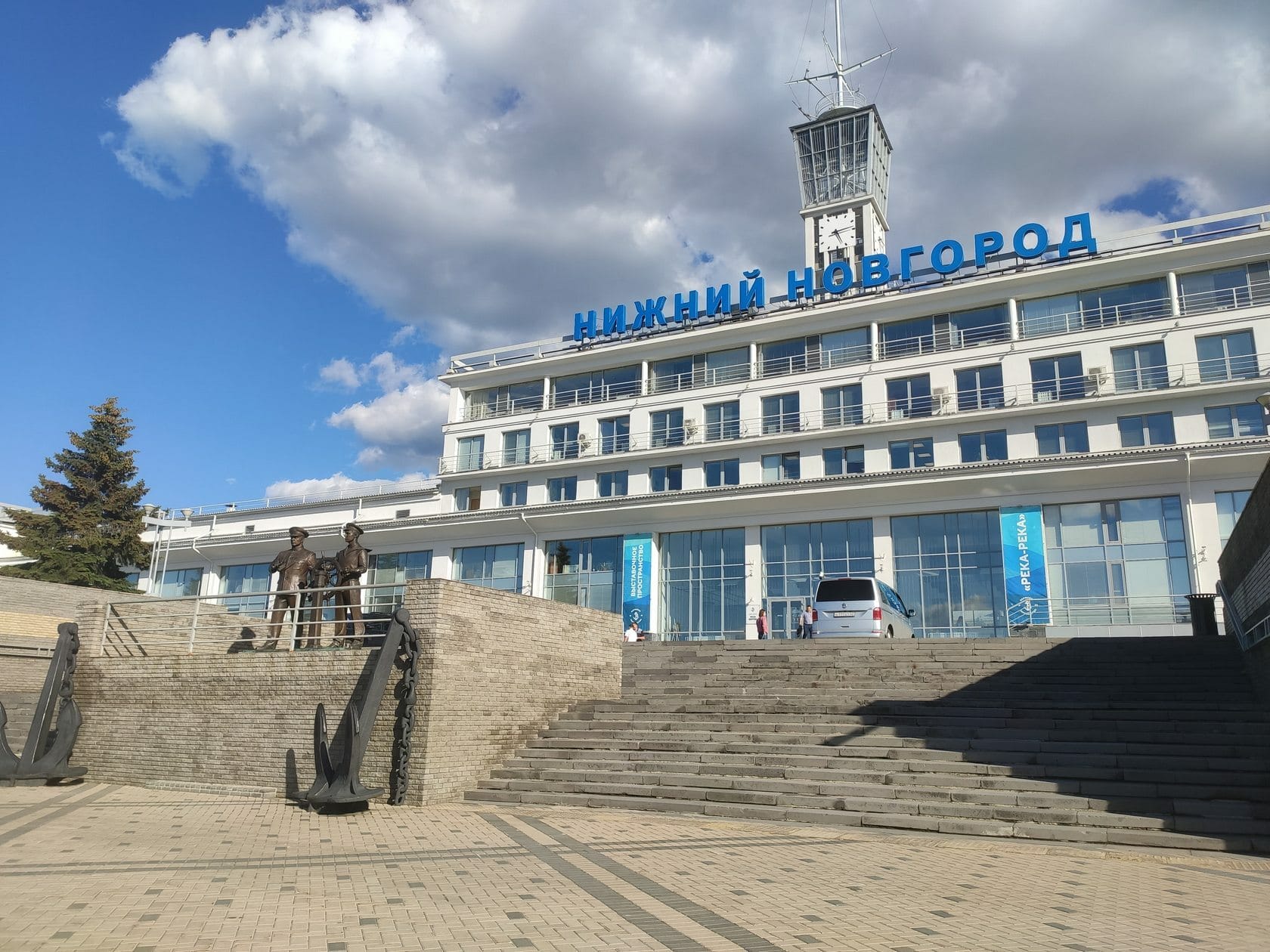
The River Station is a ship-shaped building.
It was erected in 1964 and is now used not for its intended purpose but as offices, though it still creates a symbolic feeling.
A boat trip on the Volga
Since childhood, I’d been troubled by the questions “What music plays on a steamboat?” and “Who there can do nothing about it?”. It was time to answer them.
Even before the trip, I bought a ticket on the website. But you still need to visit the offline box office near the pier before departure to turn the “electronic ticket” into a “physical” one. Of the options, I chose a 1.5-hour cruise departing at 6:00 PM.
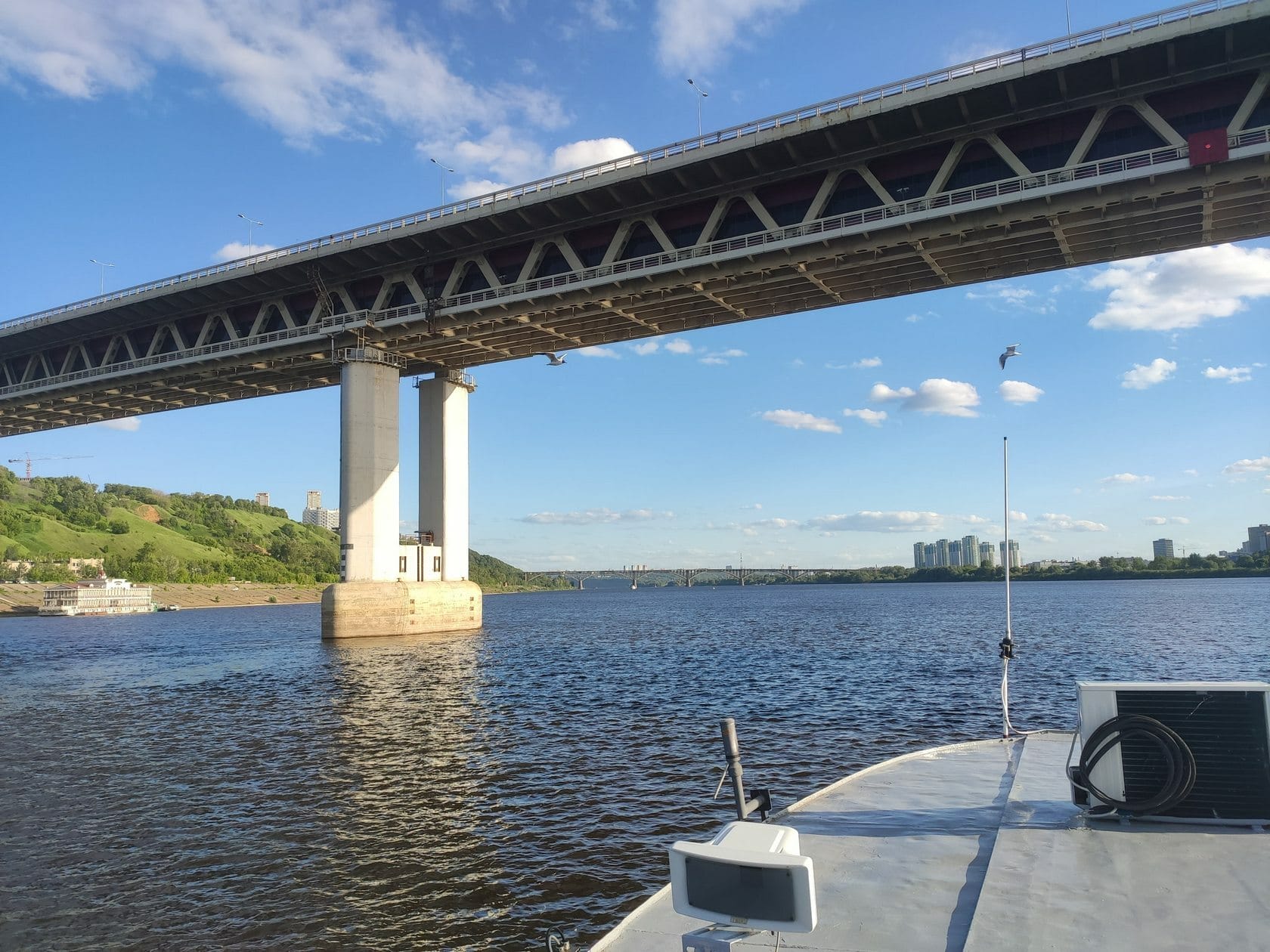
on the upper deck
The answers: the music plays for those saying good-bye to London while below the gunwale and leaving with an American beau.
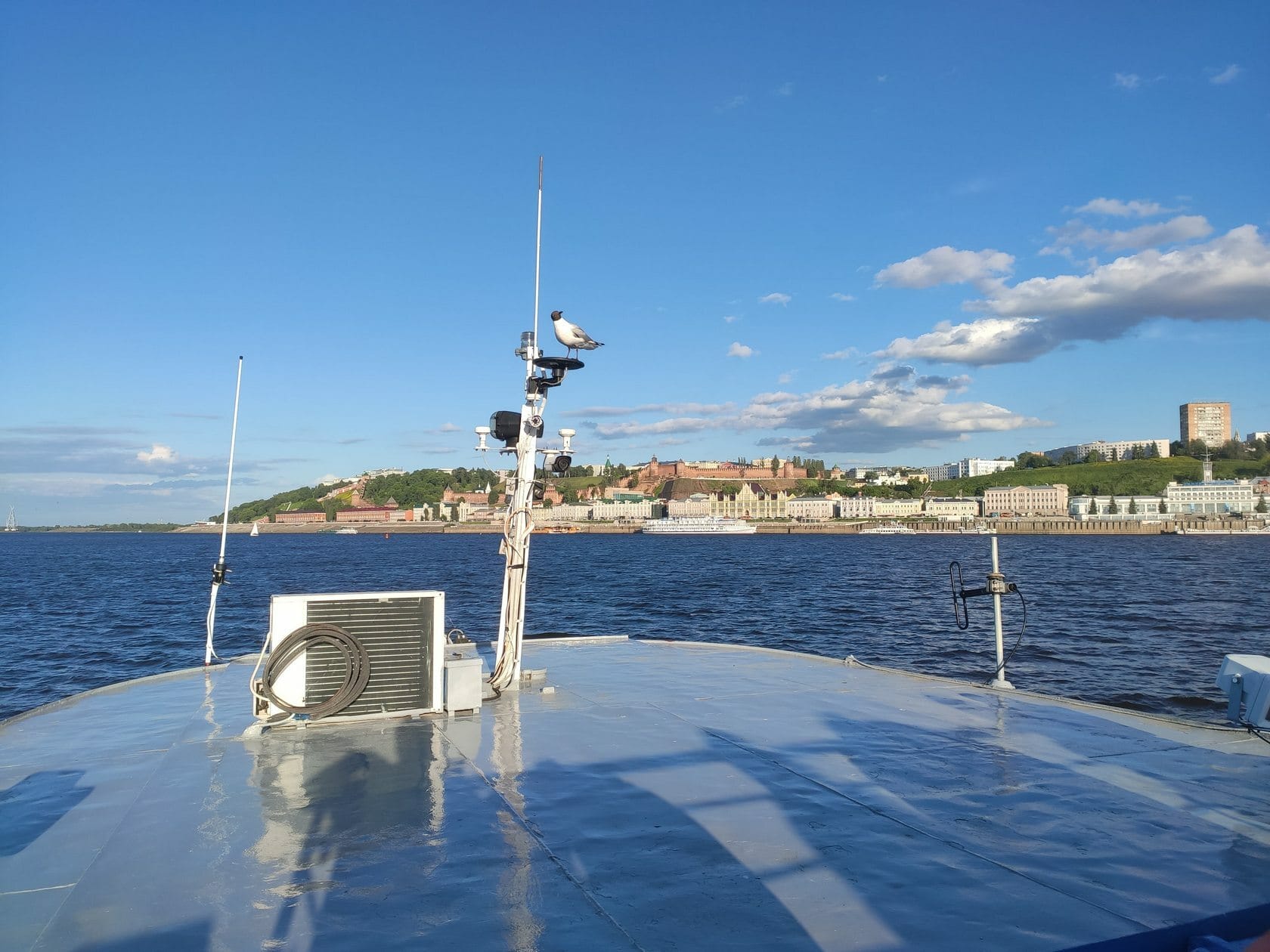
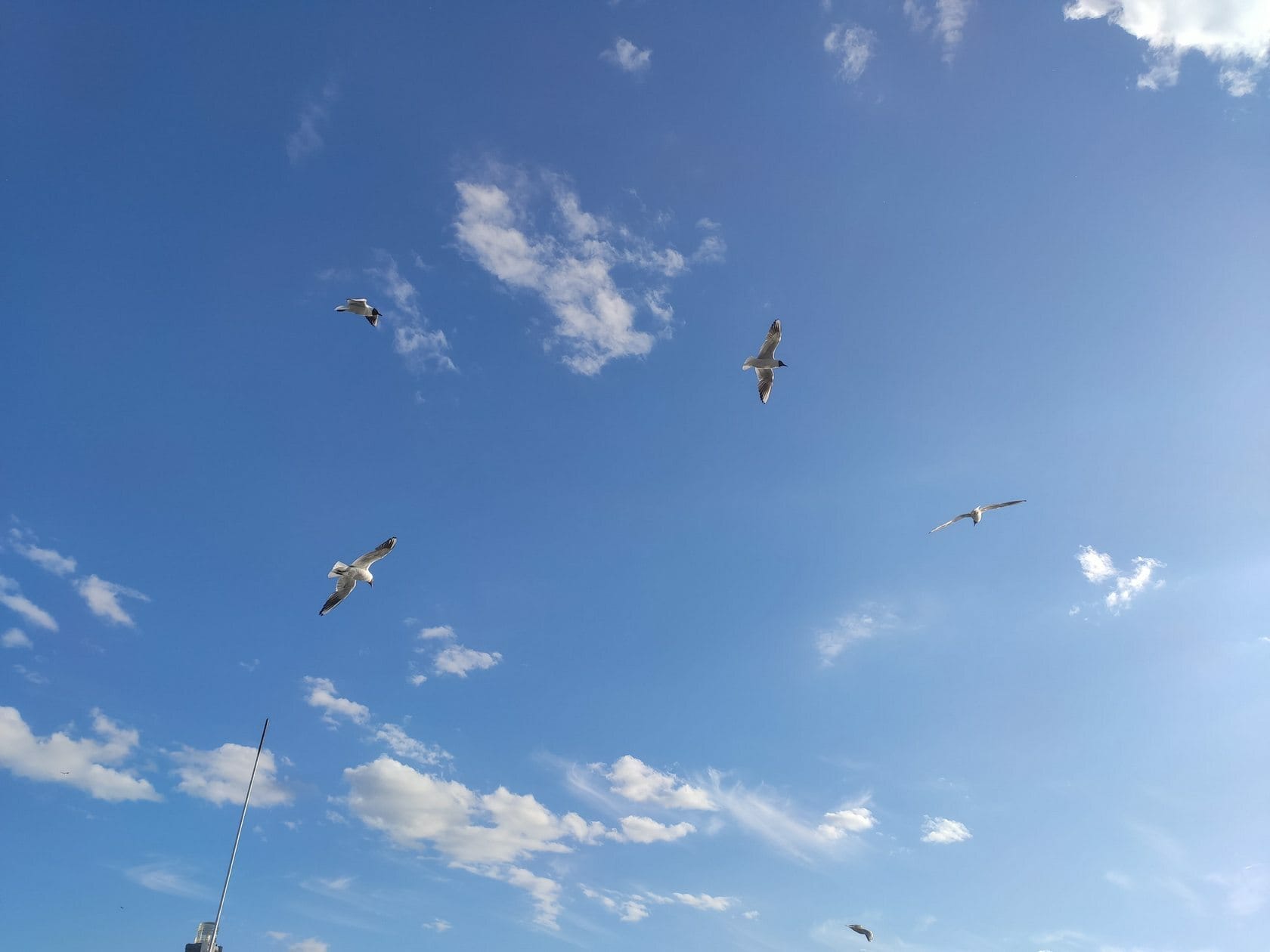
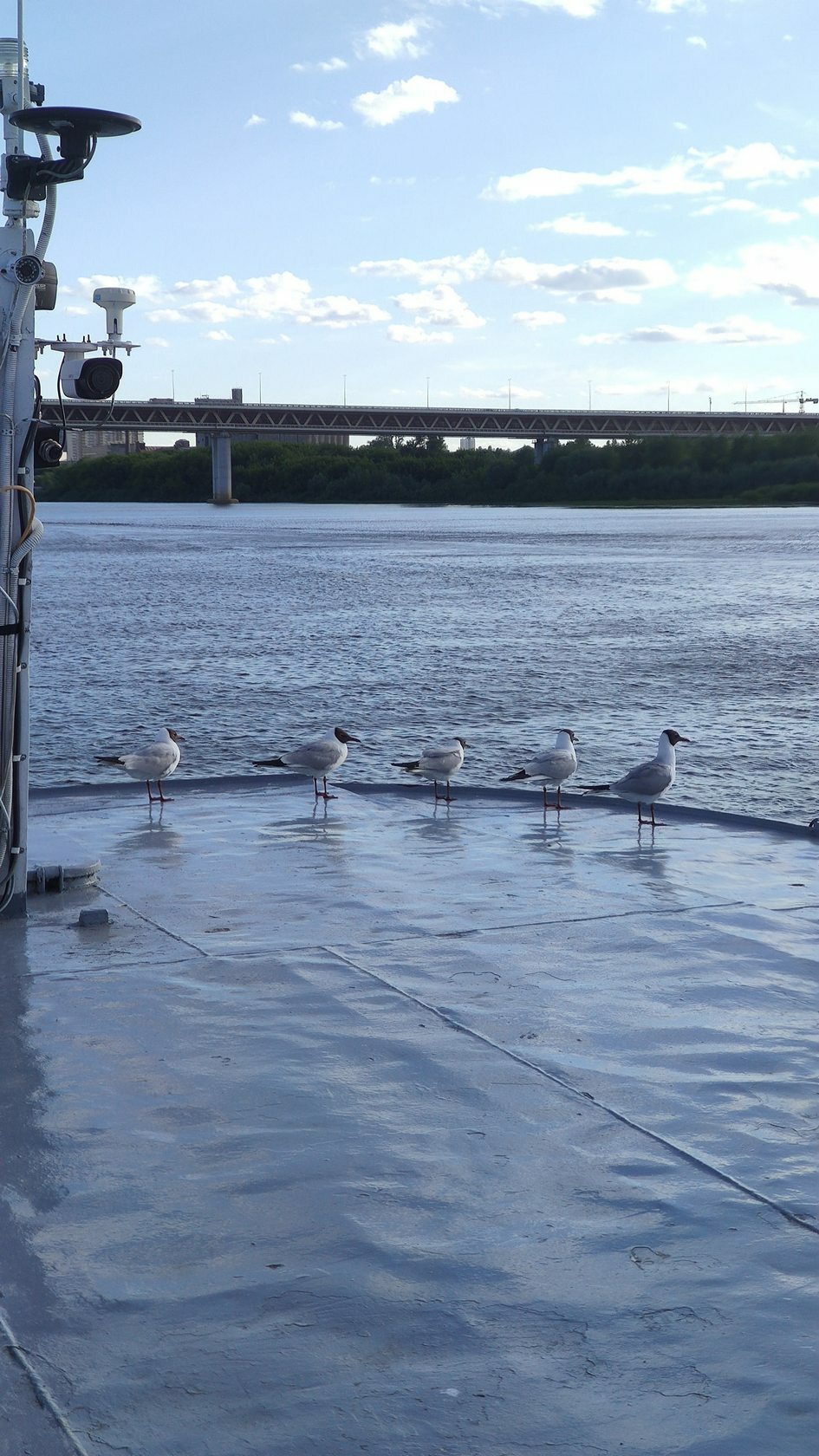
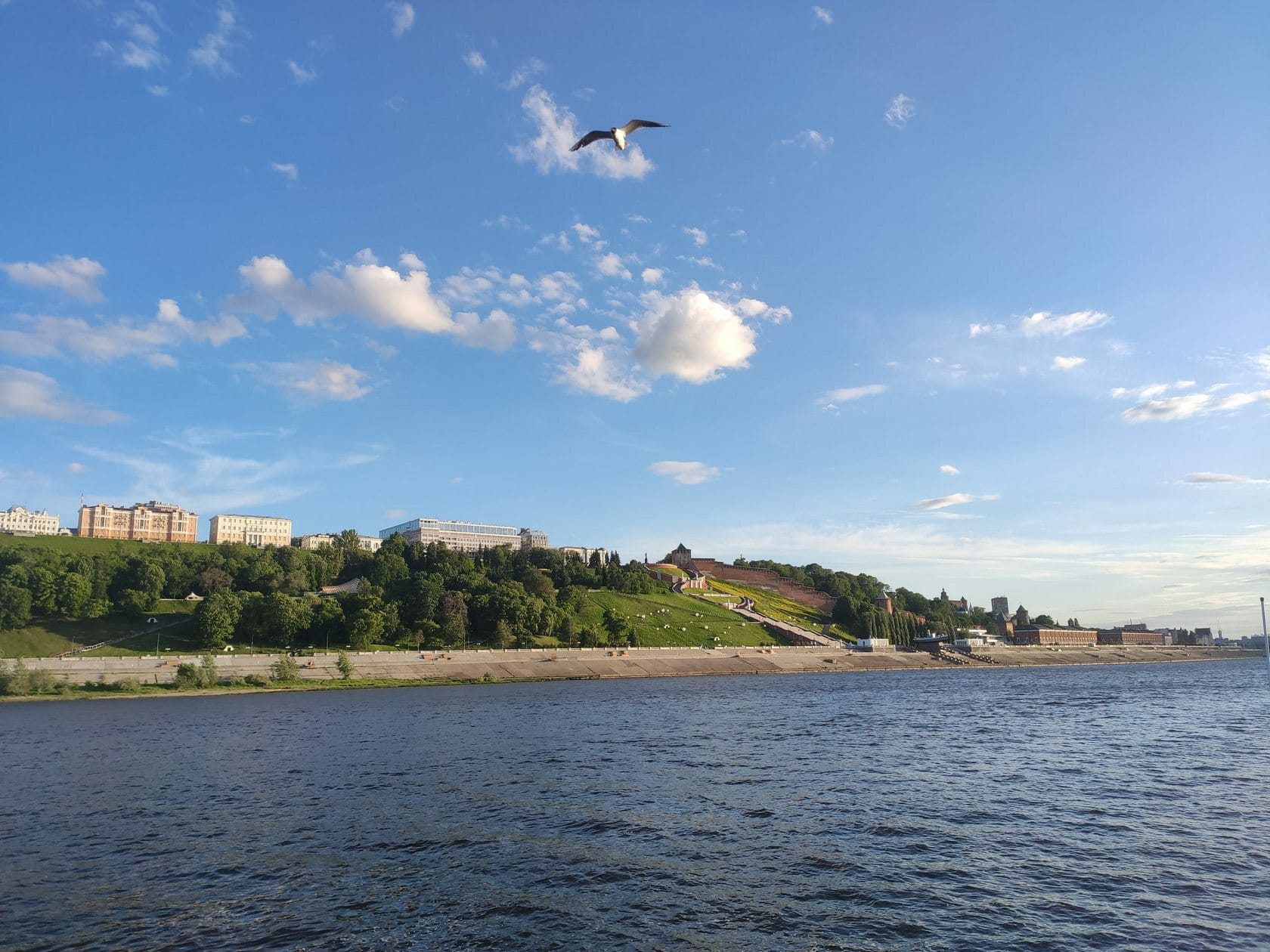
But you can quickly get used to not noticing it. You might not notice it over brut champagne in the main deck’s banquet hall, or you might not notice it while contemplating the Oka and Volga with an interactive seagull show on the upper one.
Where did I stay? What did I eat?
At the end of the first day — time to talk “everyday logistics.”
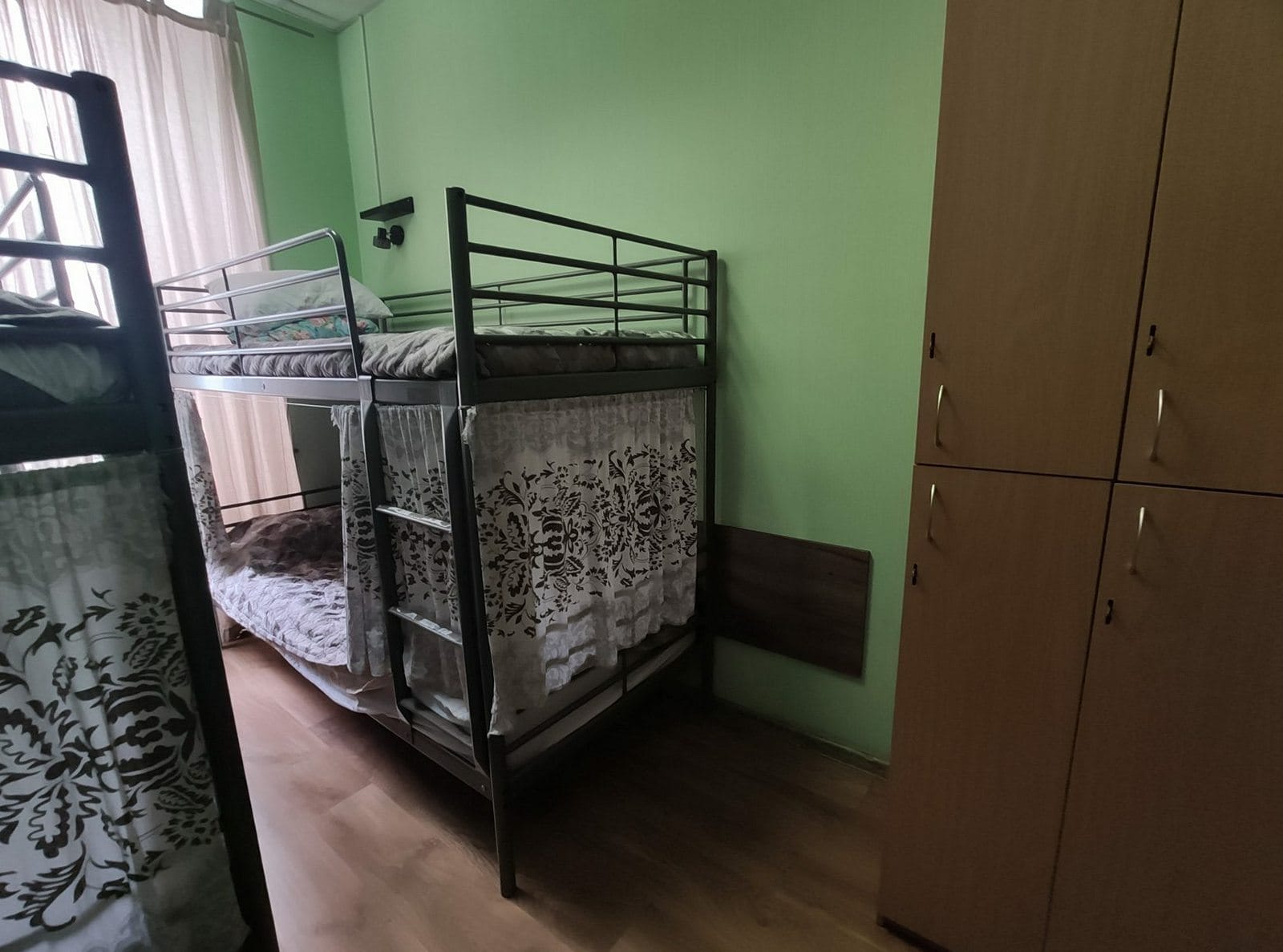
For the night, I stayed at Bugrov Hostel, a 4-minute walk from the Station. It’s located in a building once owned by merchant Nikolai Bugrov — a bread industrialist, patron of the arts, and major philanthropist of the Nizhny Novgorod Governorate. His flour shops were located here.
A bed in a 4-bed room cost 800 rubles. I somehow missed the very simple opportunity to knock 15% off the bill. Don’t repeat my mistakes, save money :)
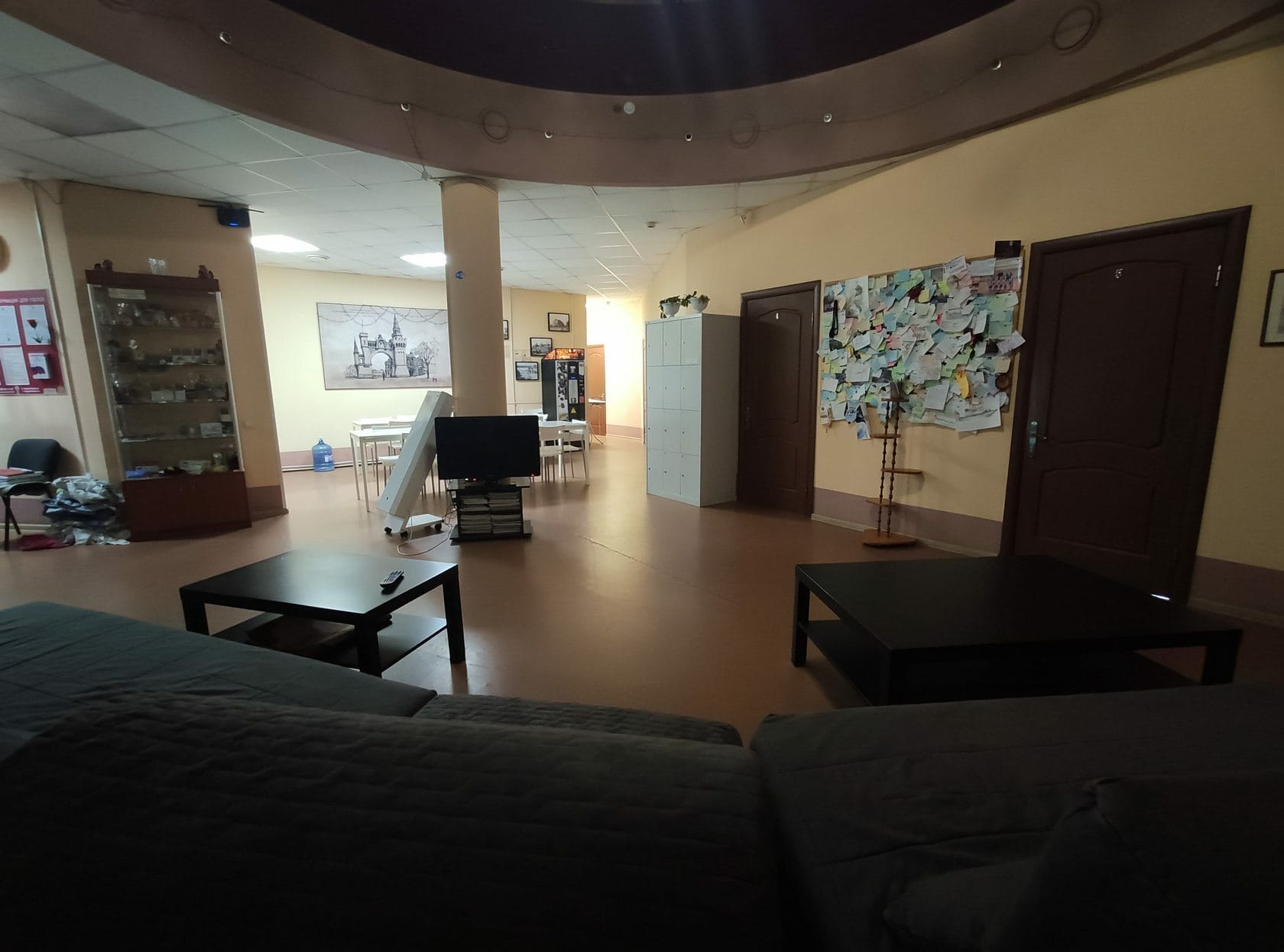
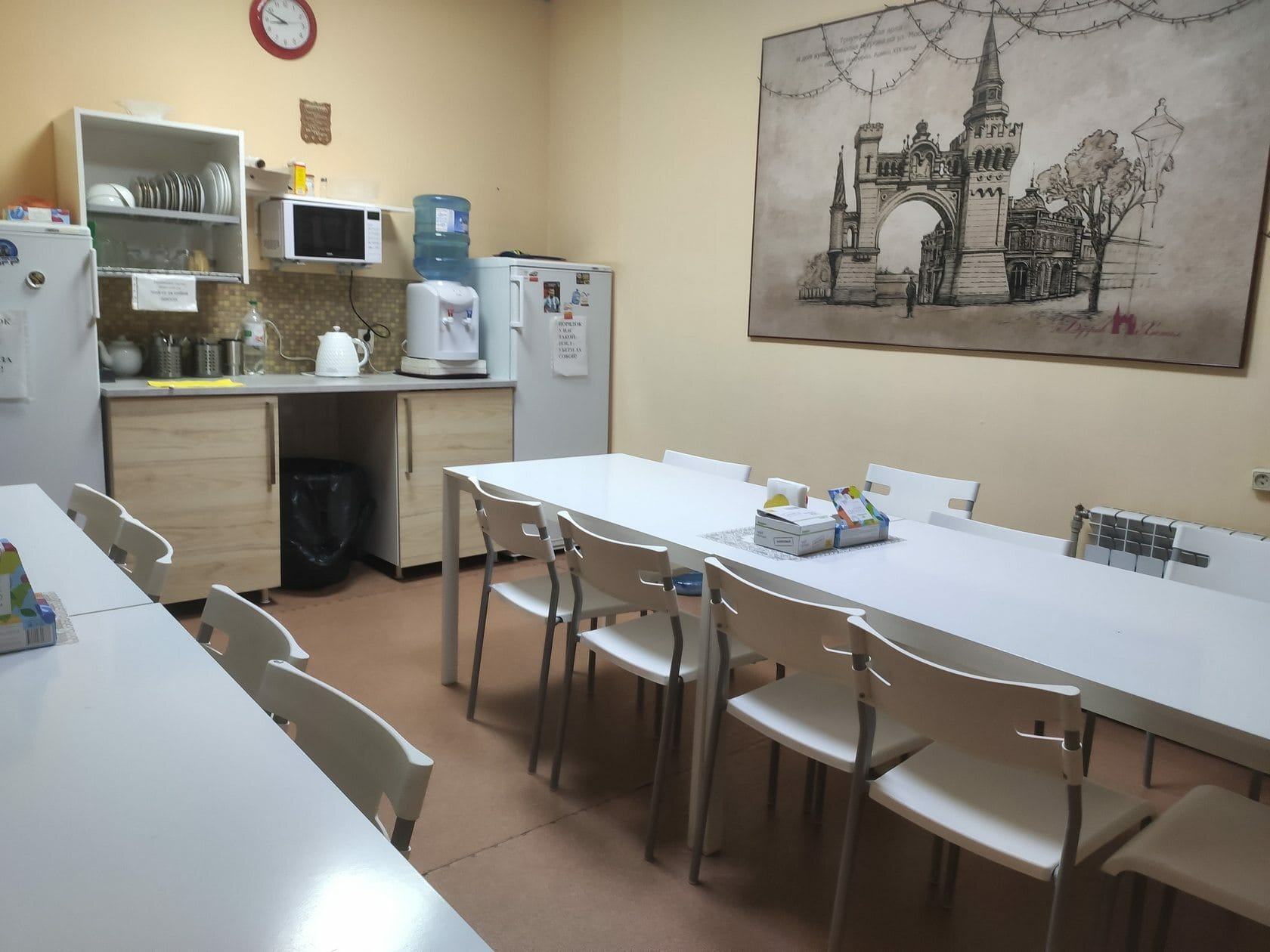
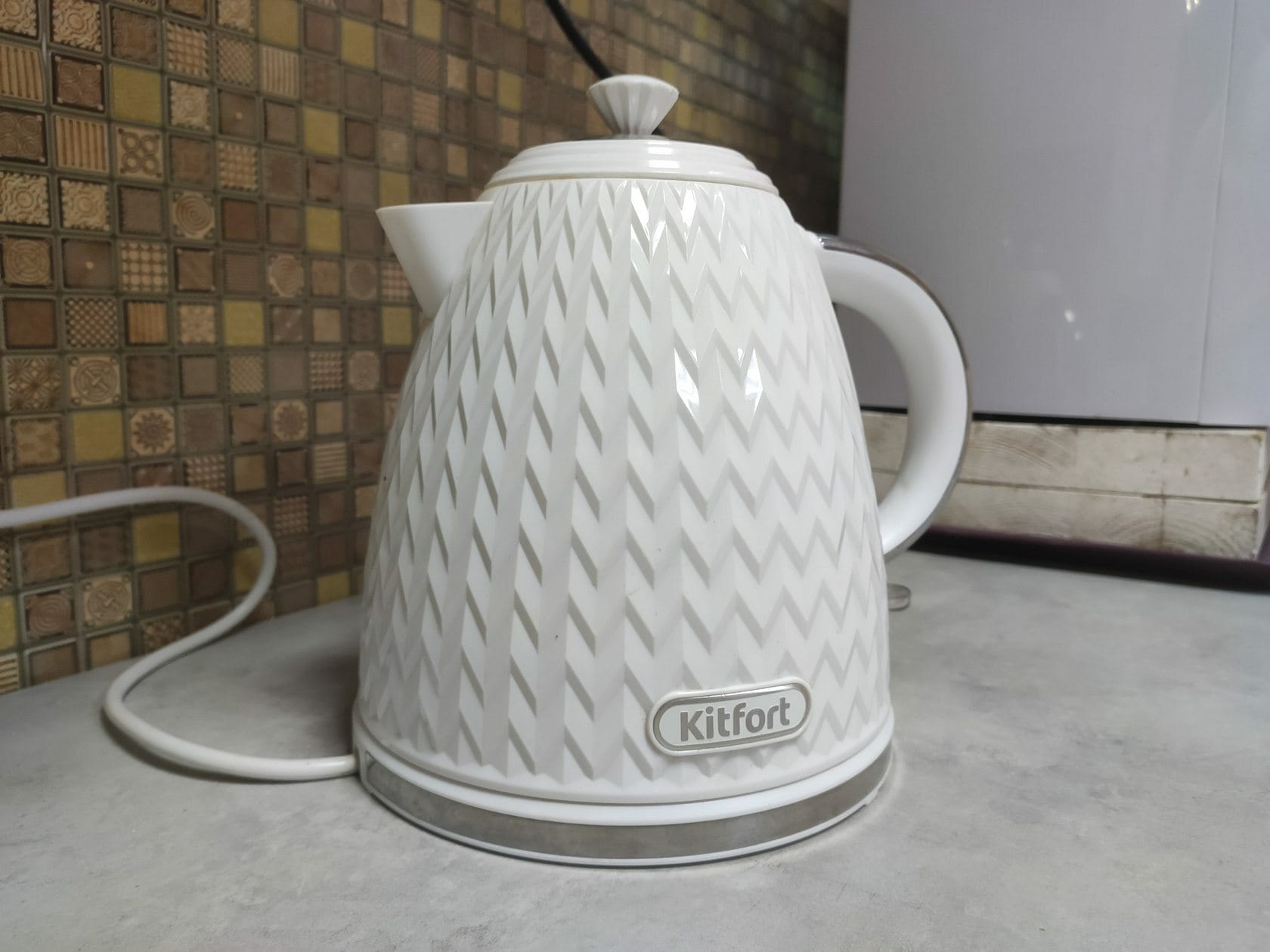
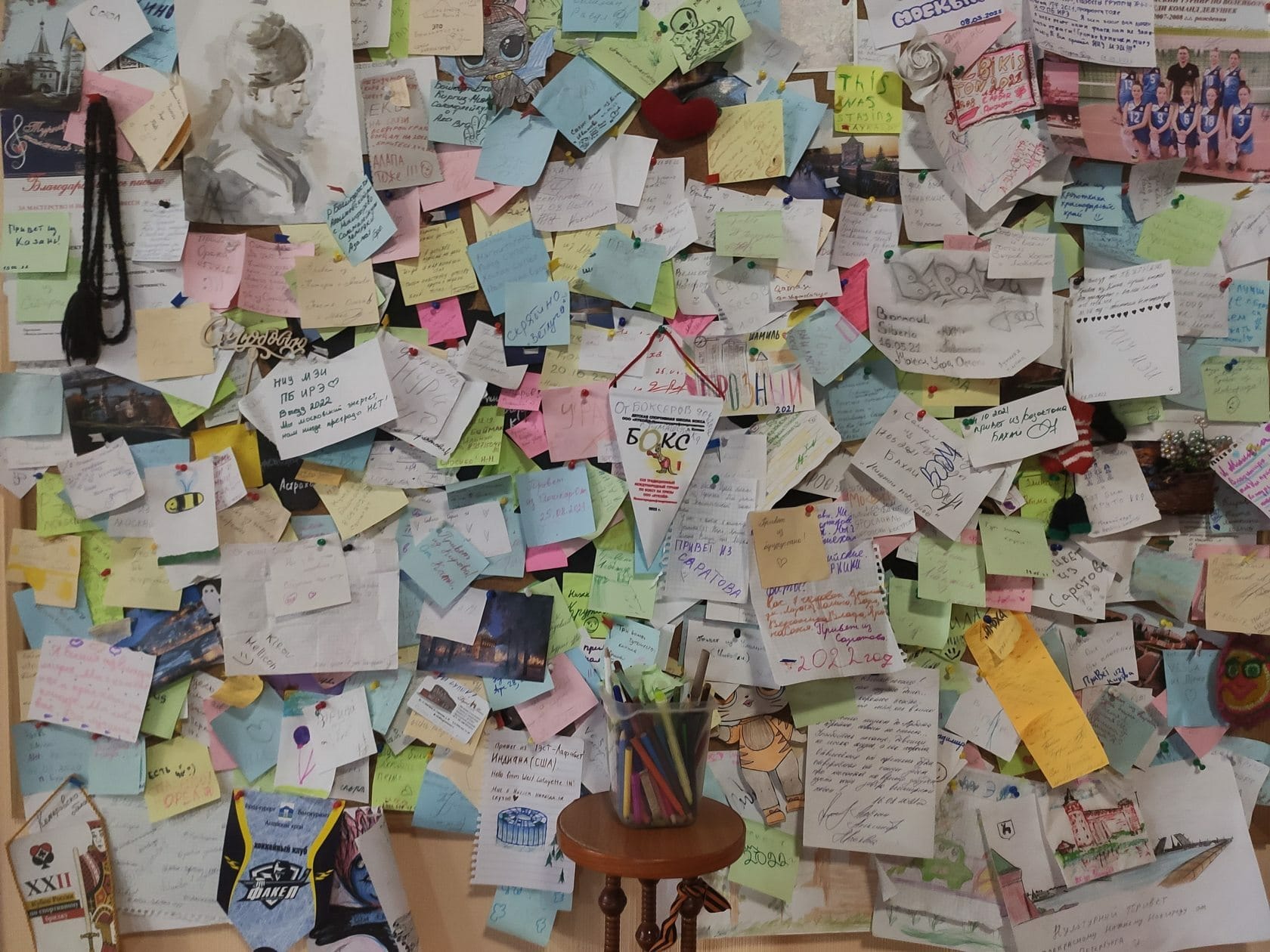
There’s a common area with a sofa, magazines, and books. A dining area with a microwave, refrigerator, and most importantly, a kettle. Free tea warms a traveler chilled by the Volga winds no worse than establishments past the River Station.
If I were to sum up my stay experience in one word — it’d be “Welcoming.”
Now about food for the body, not the soul
On the first day, I had lunch at a Spar store (they have a “Swedish table” section and a microwave with a table after the checkout). During walks, I snacked on Picnic chocolate bars.
On the second day, tipped off by the hostel administrator, I discovered Café Svetlana in the same building as the hostel. There are several cafeteria-style places there, some don’t look like somewhere I’d want to go, but this one turned out to be a great lifehack.
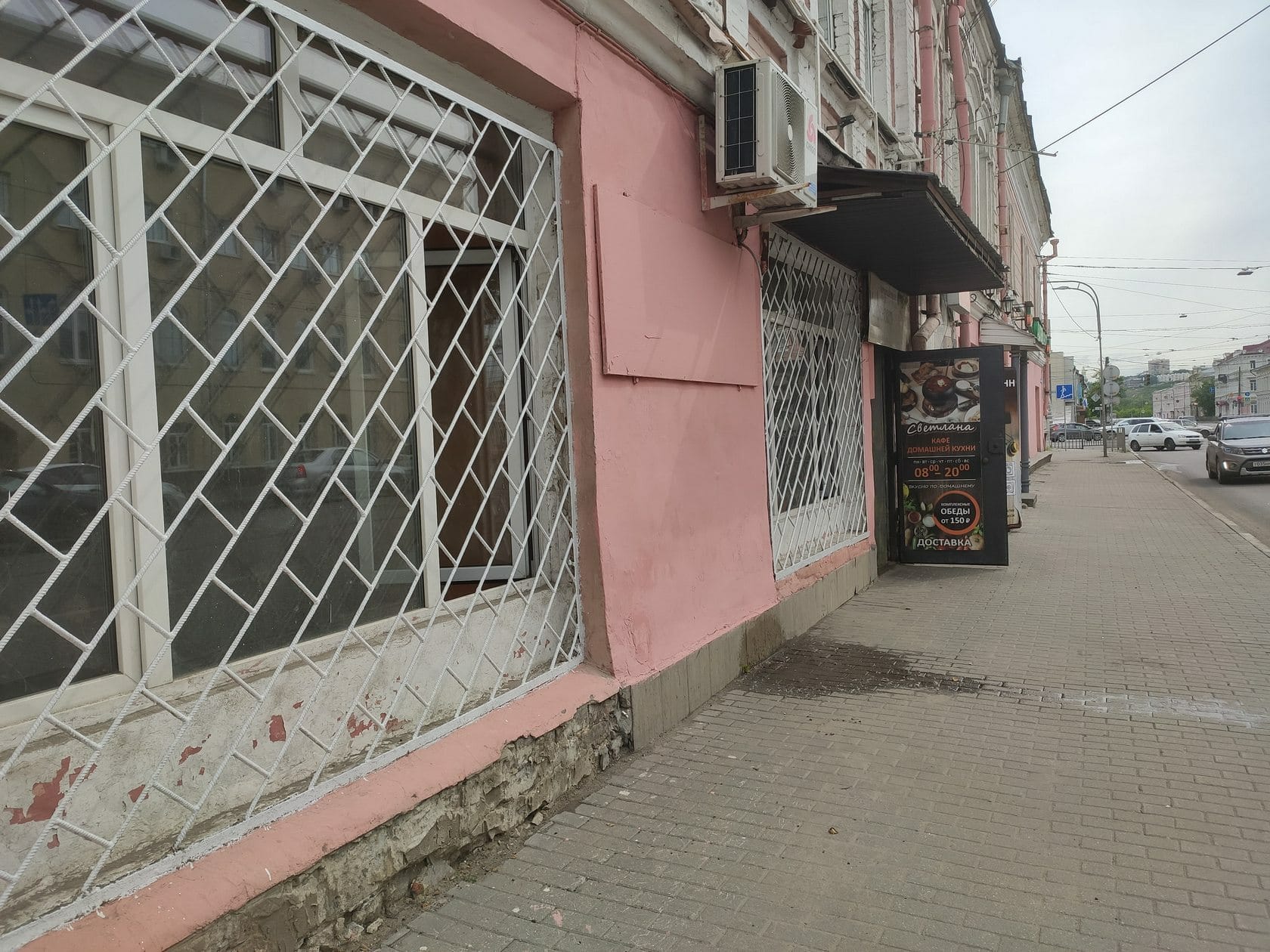
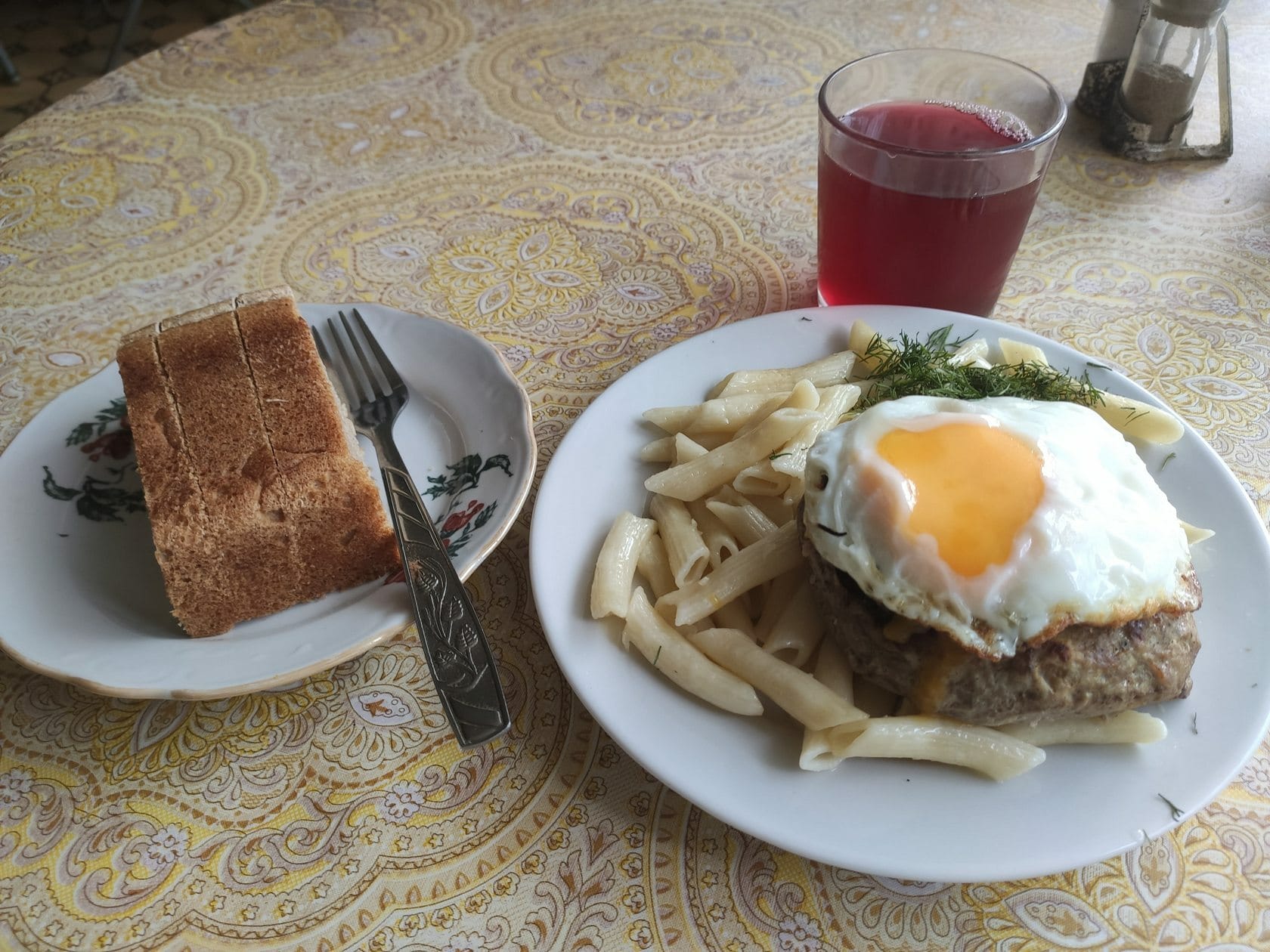
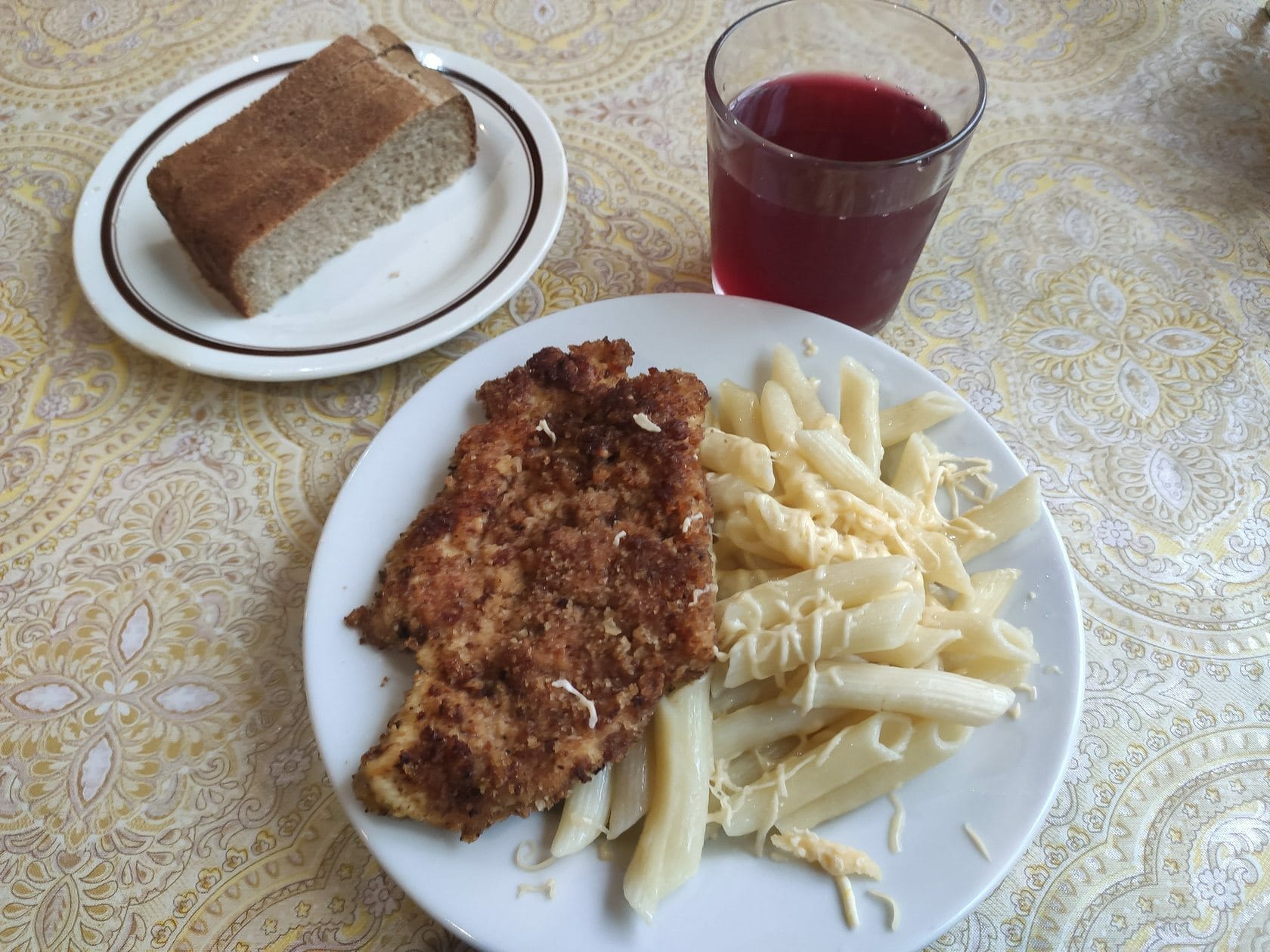
You shouldn’t judge it by its cover, because here’s what my 145-ruble breakfast and 170-ruble dinner looked like.
And it was tasty, good, and, damn, cheap. My workplace cafeteria never delighted me as much on price/quality of food as this place.
Gorky Square and Bolshaya Pokrovskaya Street
I started the second day with the Metro. As on a bus, minibus, or tram — a ride by bank card costs 26 rubles.
After the Moscow Metro, the navigation to find the right path at the Moskovskaya station of the Nizhny Novgorod metro seemed confusing to me. But, naturally, I figured it out. My brain may be small, but I have my own.
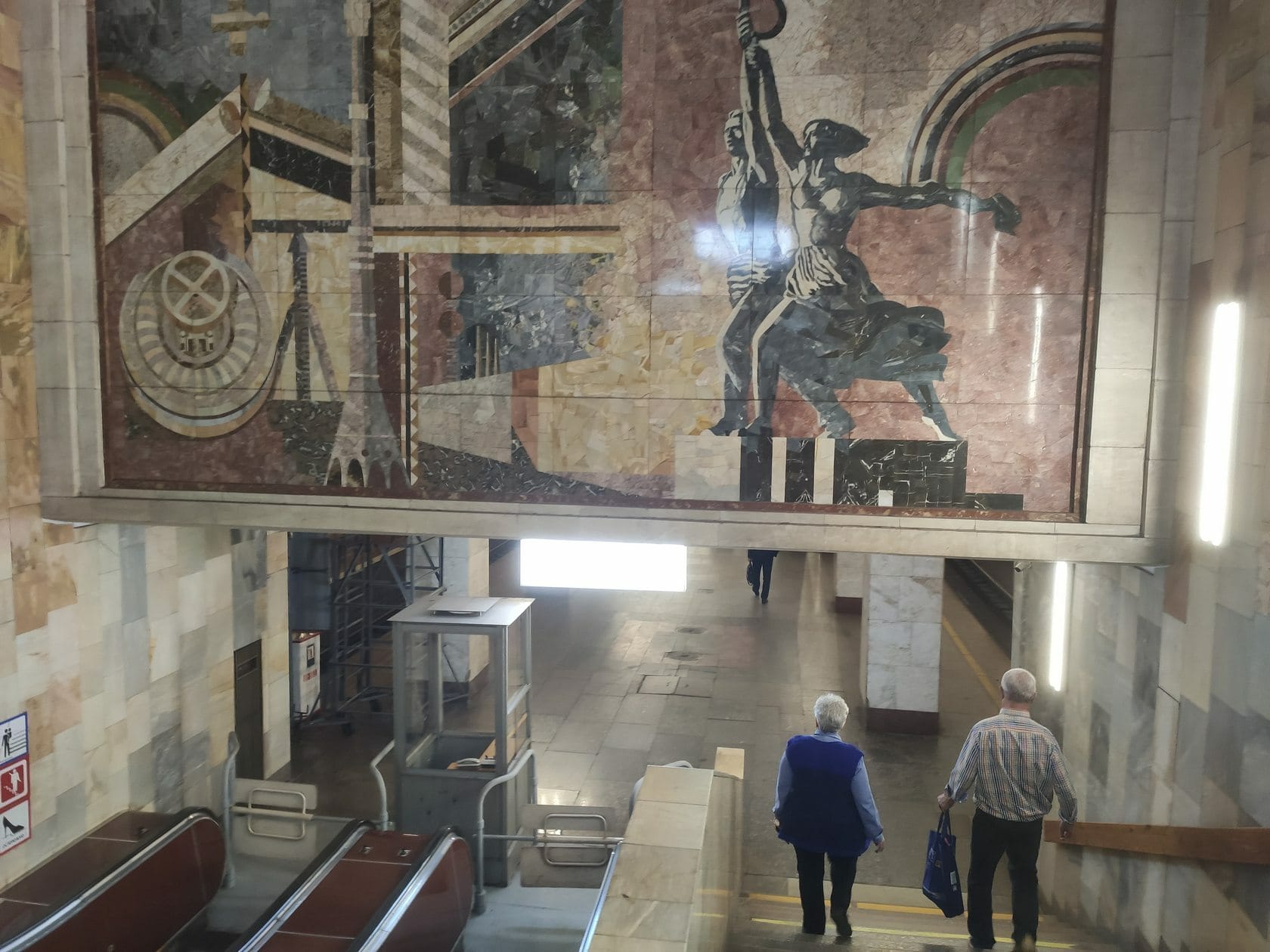
Entrance to Moskovskaya metro station
The stretch from Moskovskaya to Gorkovskaya station only opened in 2012, due to the protracted construction of the Metro Bridge.
It connected Alyosha Peshkov Street and Maxim Gorky Street. Here, by the way, is the square in their — that is, his — honor. With a 7-meter monument and quotes.
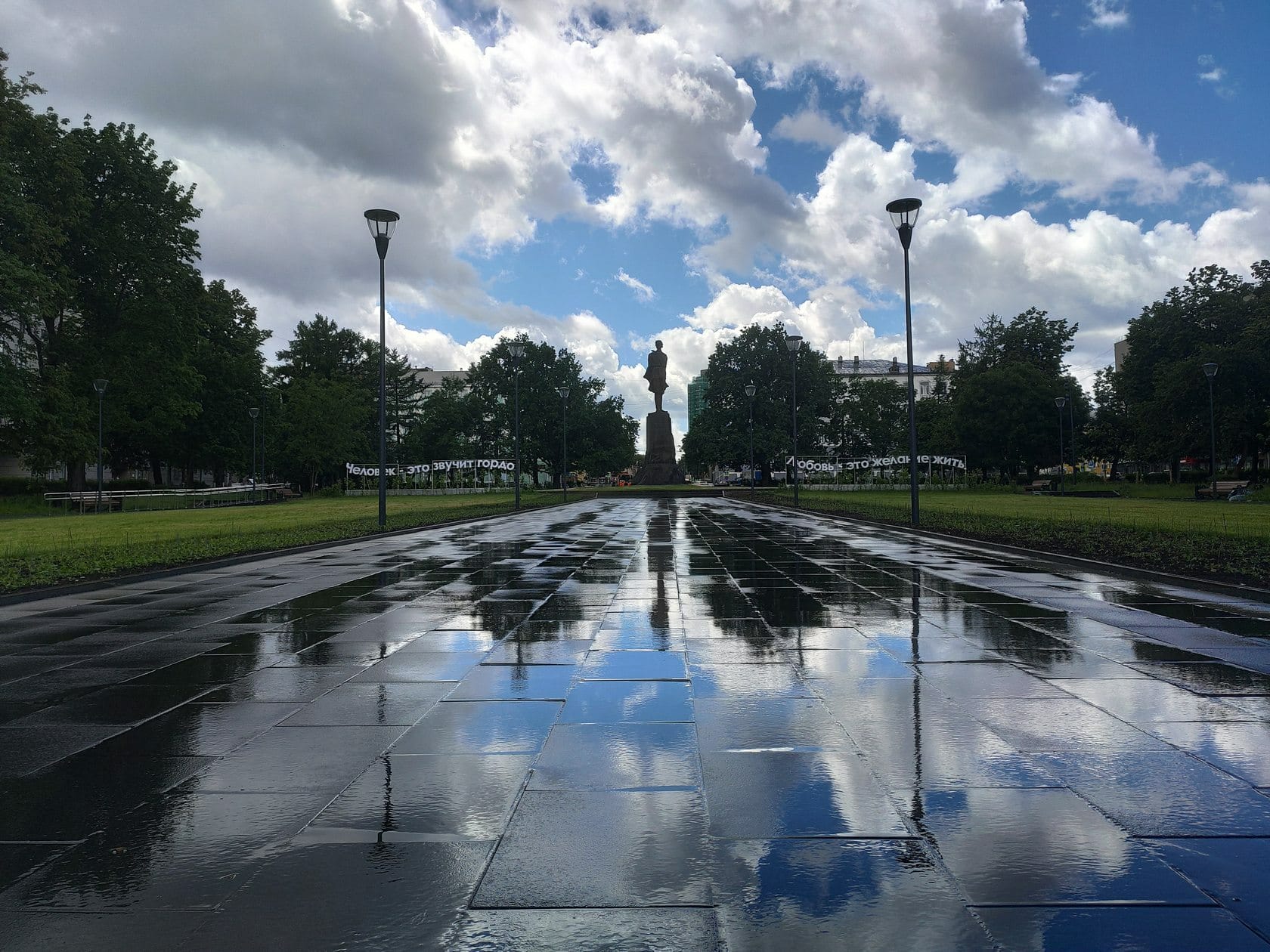
We pass it and arrive at the Nizhny Novgorod Arbat — Bolshaya Pokrovskaya Street. The main street of Nizhny.
Warning — here is the highest concentration of beauty
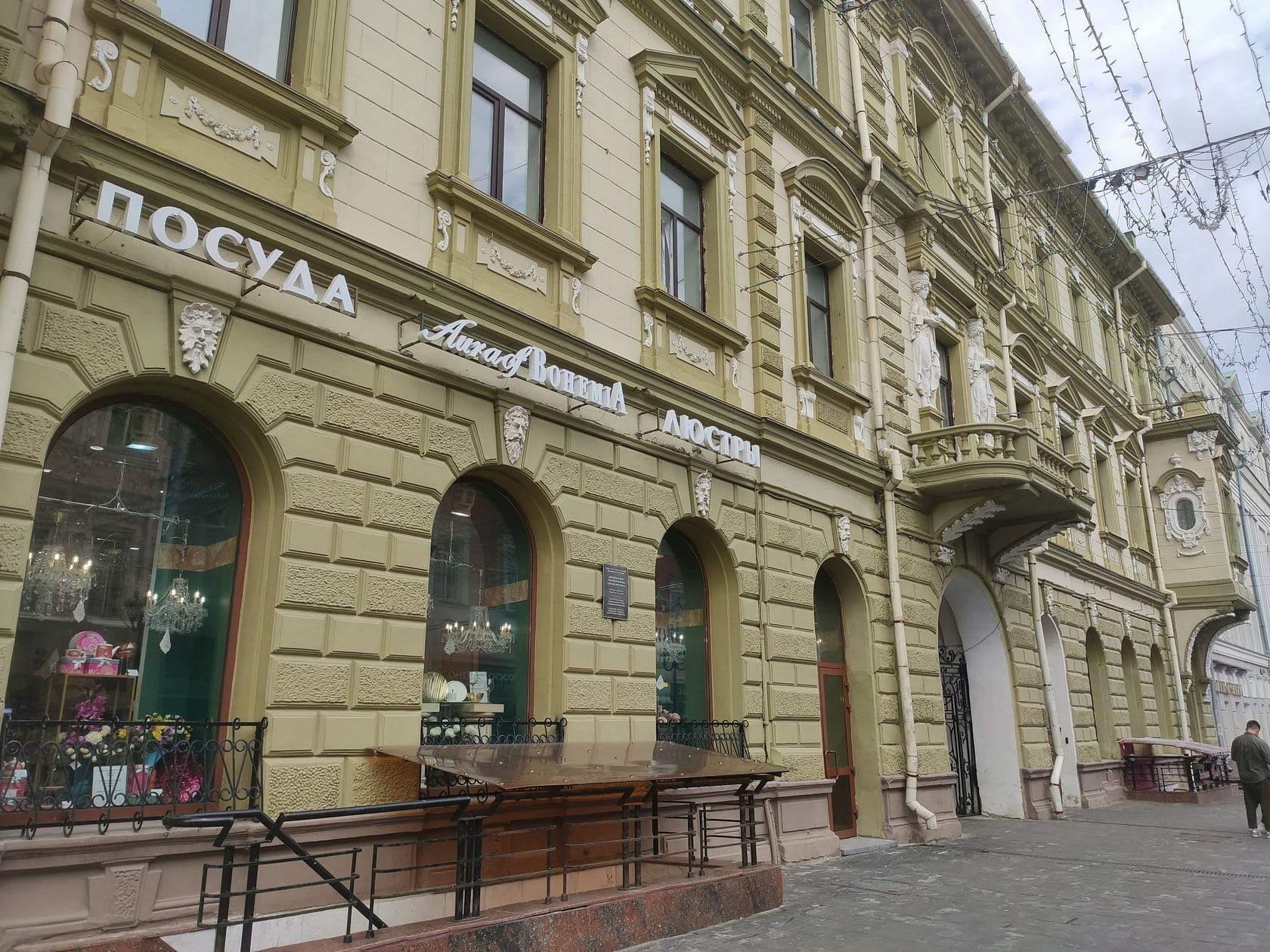
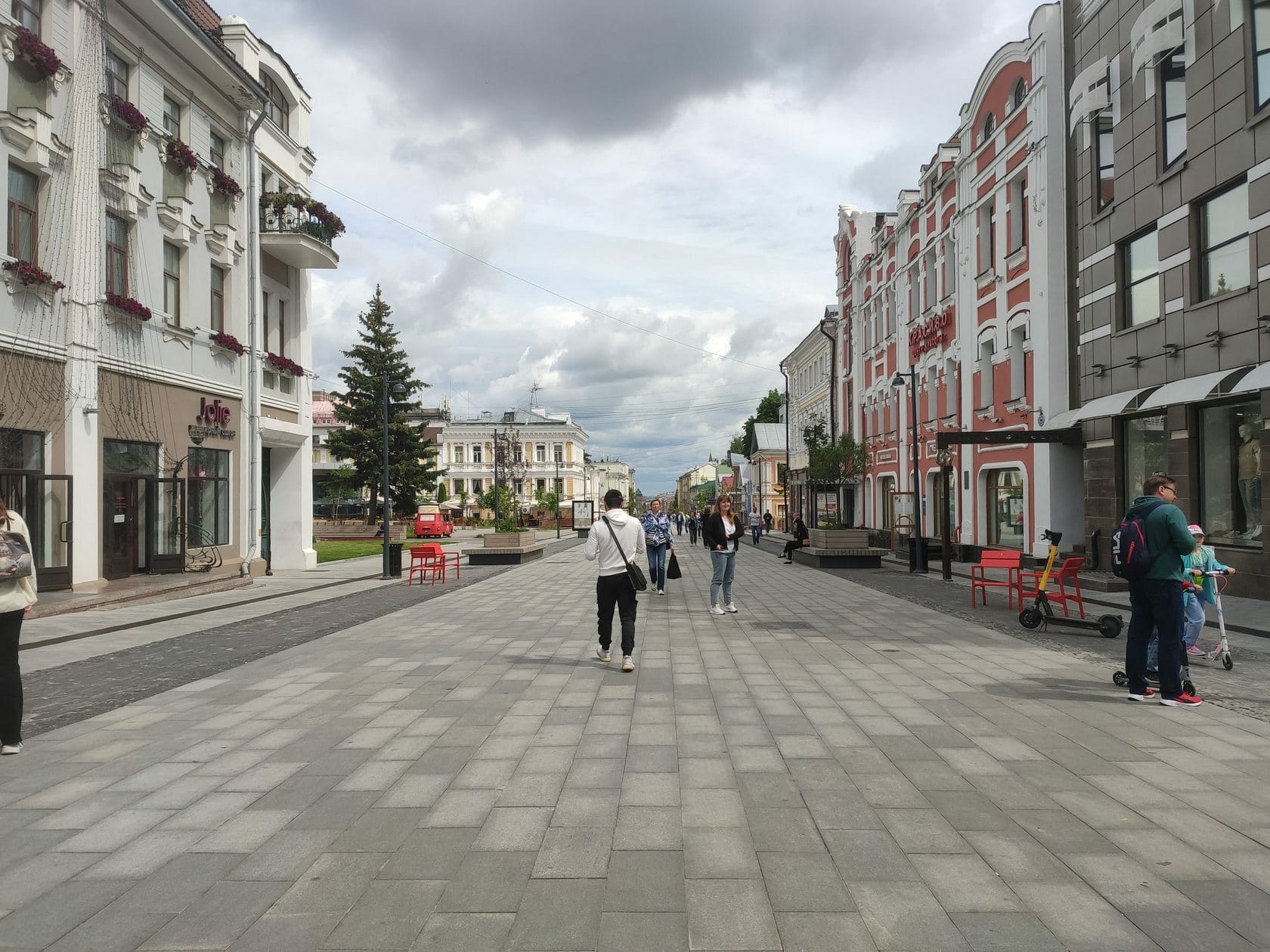
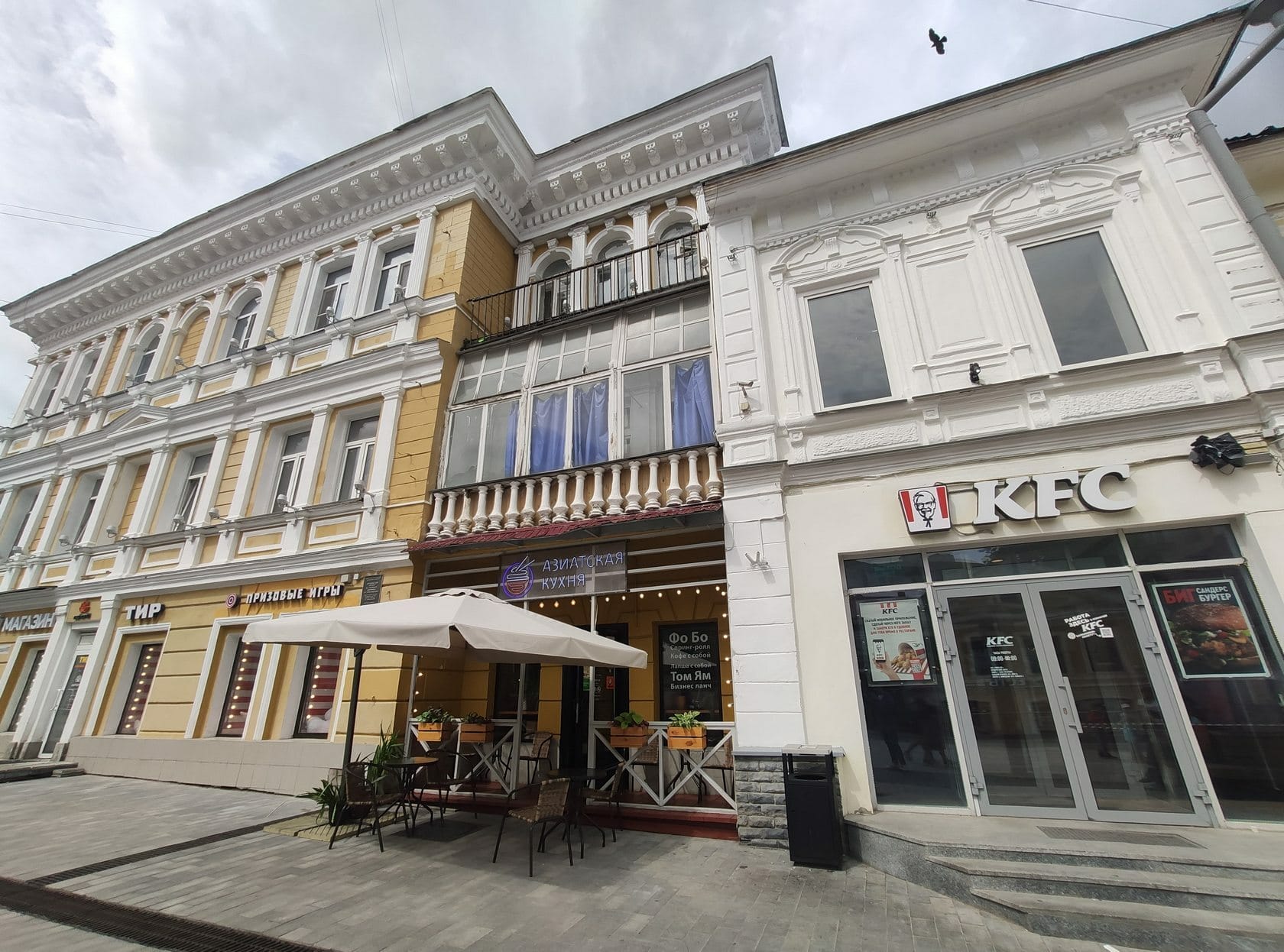
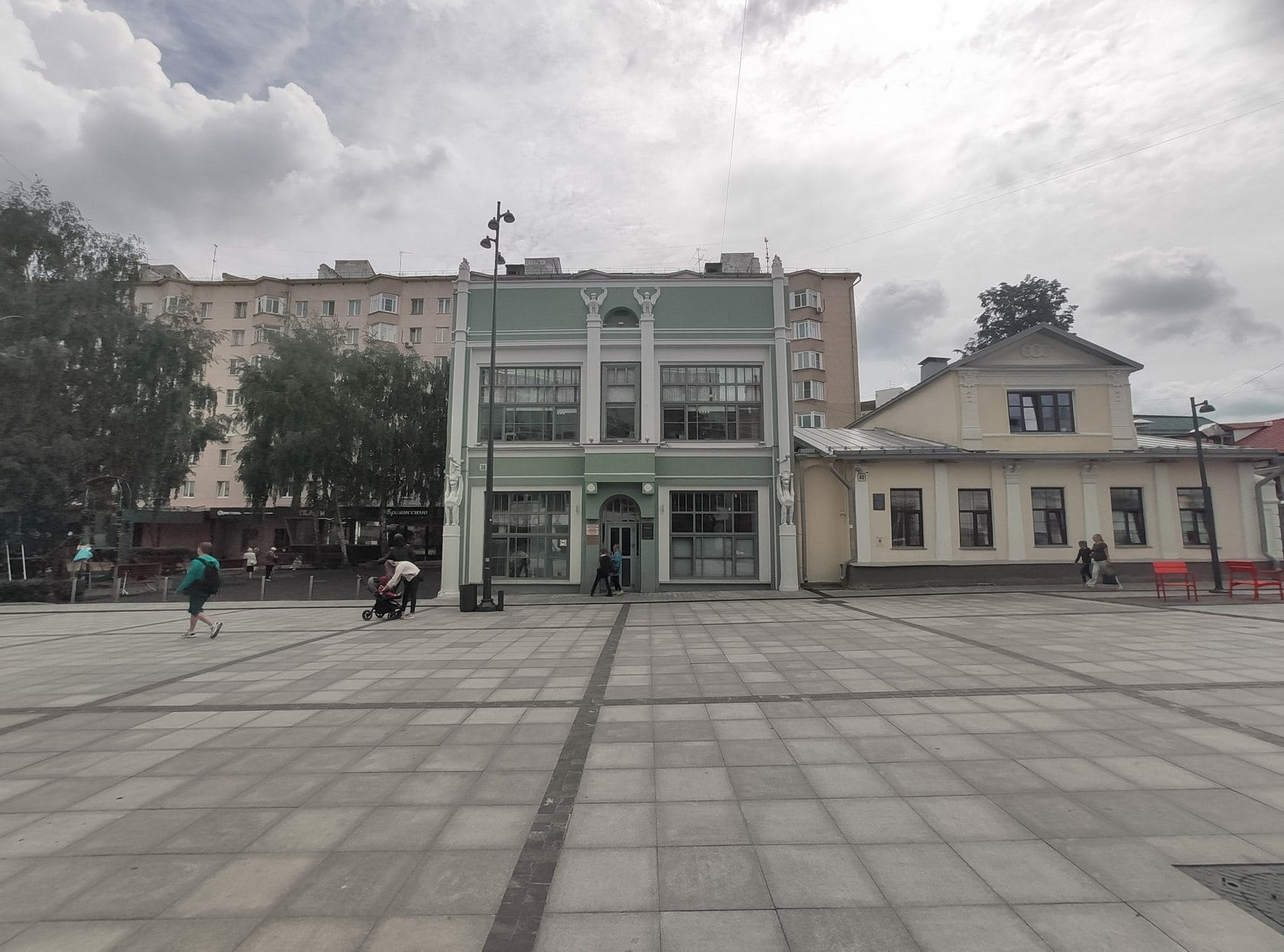
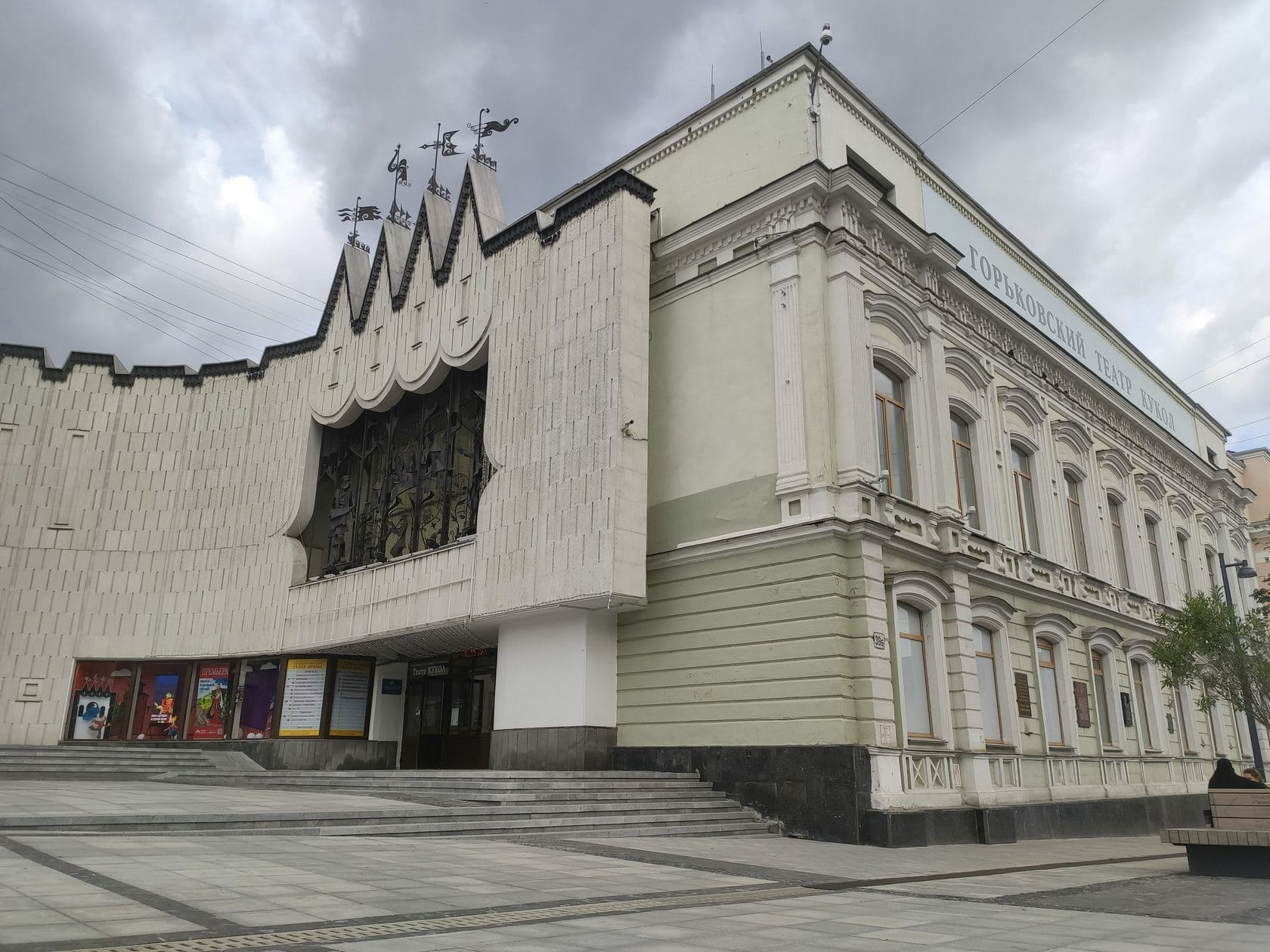
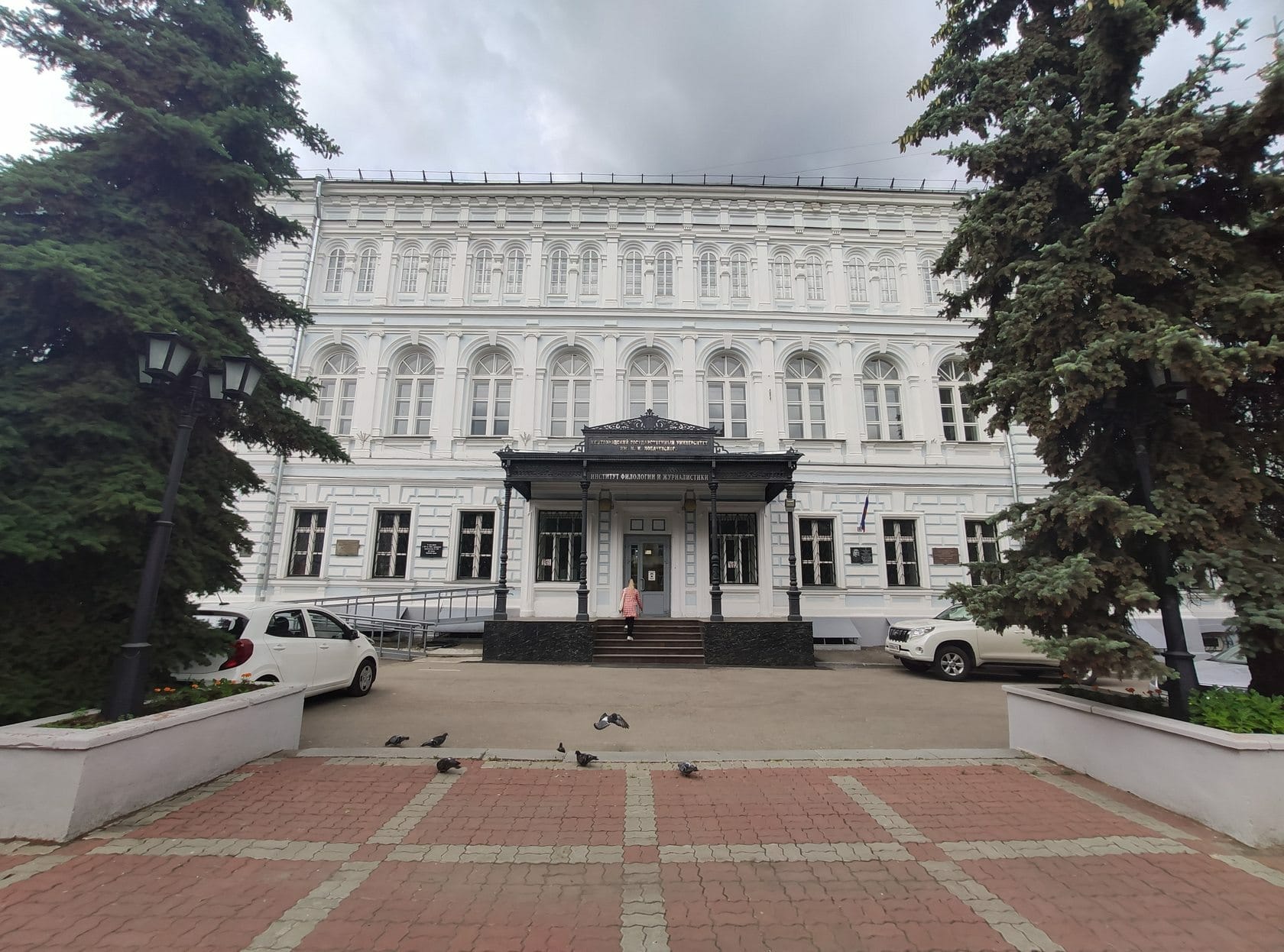
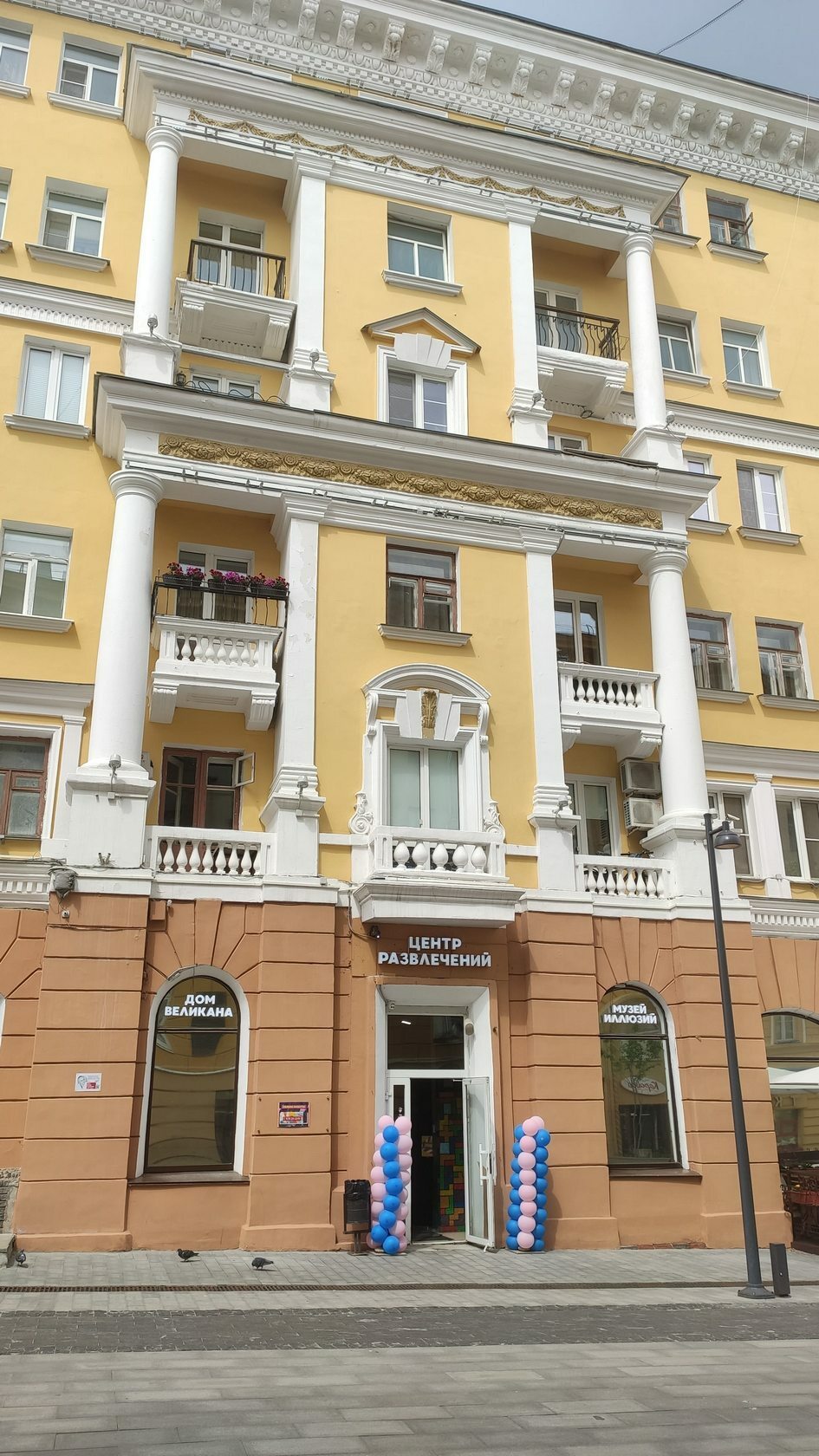
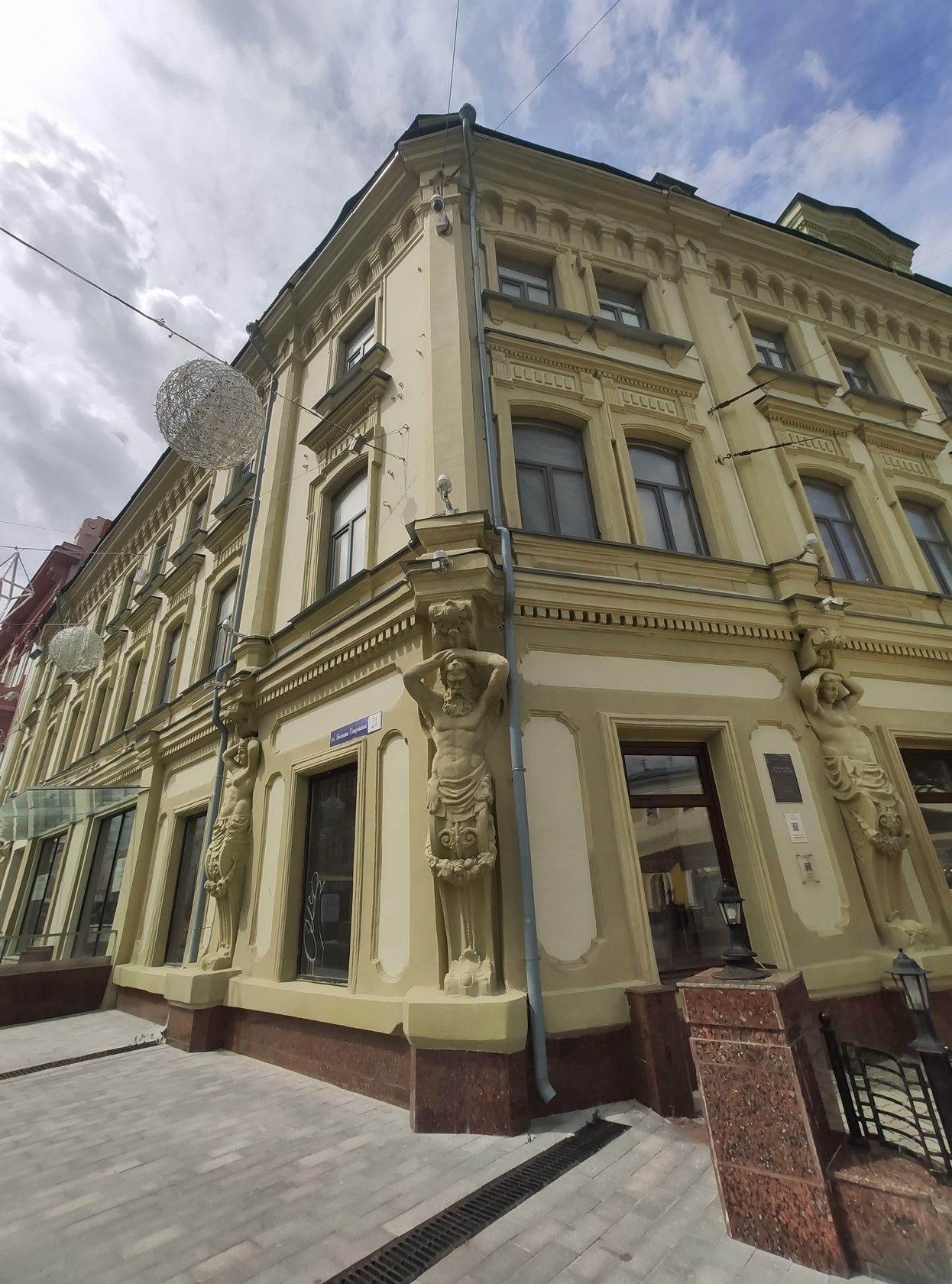
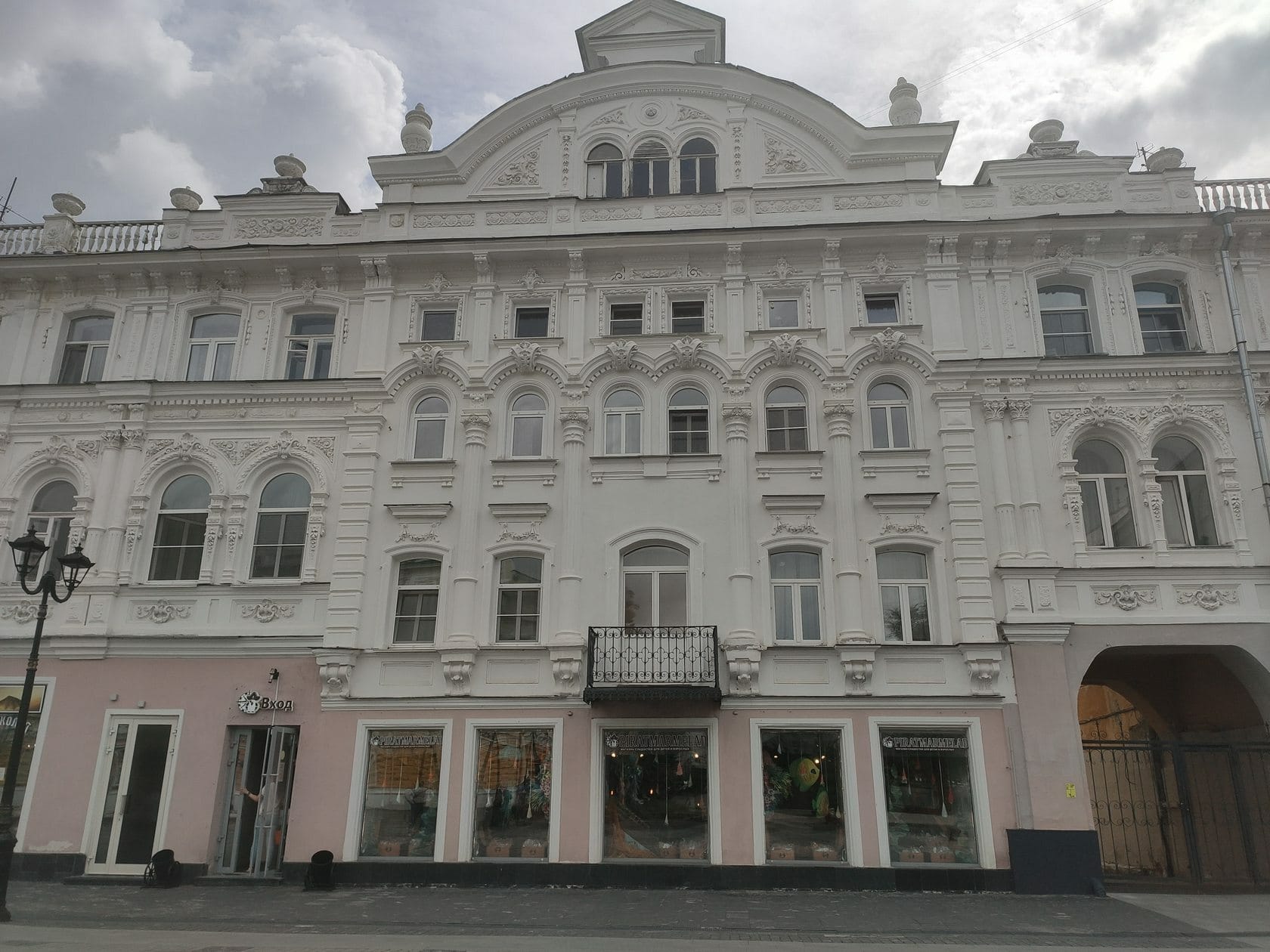
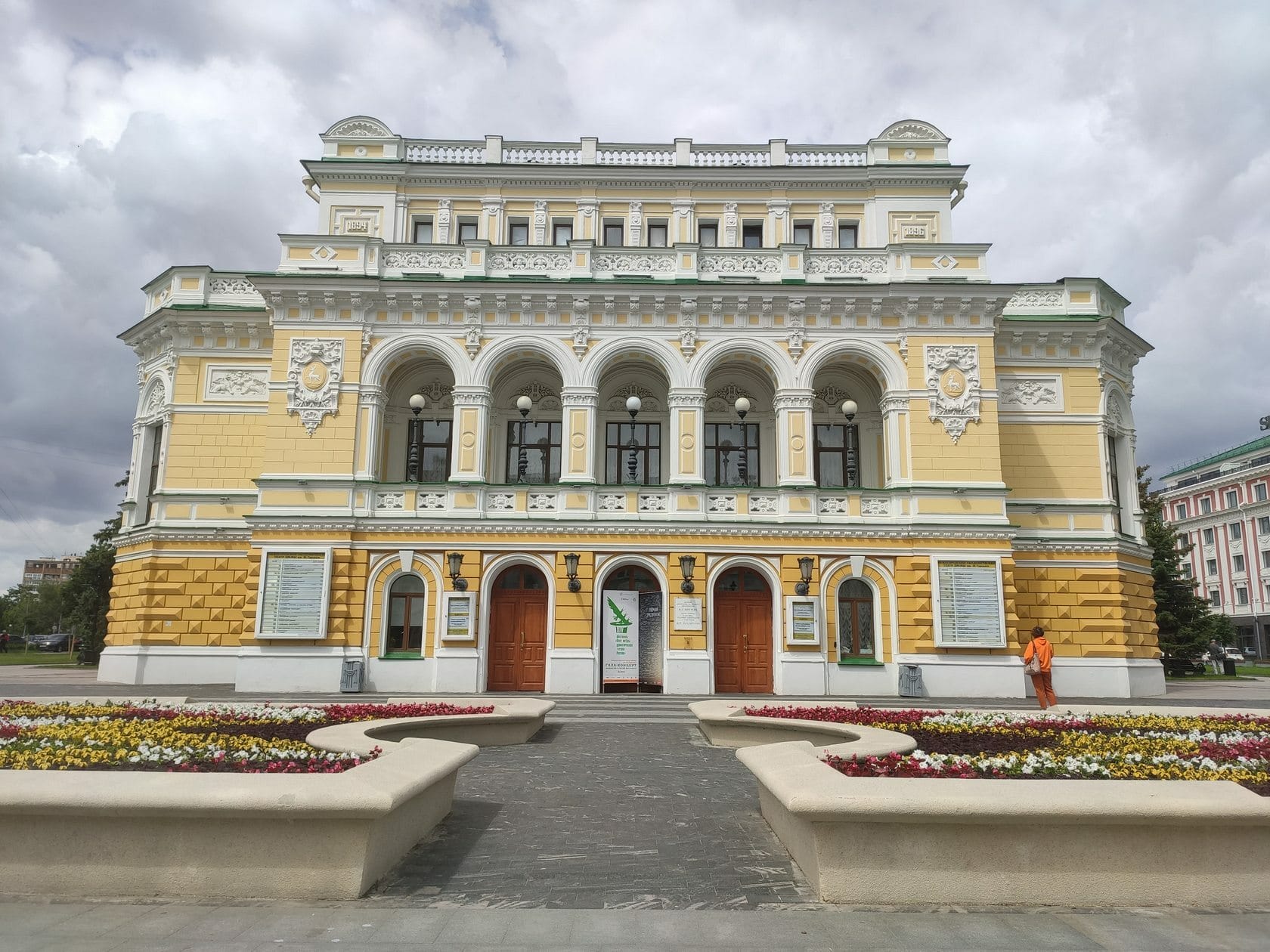
“Pokrovka” has come a long way to “now”.
It appeared in the Middle Ages under the name “Bolshaya Nikolskaya”; in the 18th century, after the visit of Catherine II and the new urban plan, the street straightened and began leading to the Dmitrovskaya Tower of the Kremlin.
Wooden houses began to be replaced by stone ones of the Nizhny Novgorod elite; in the 19th century, the street was renamed Pokrovskaya with the construction of the now-lost bell tower of the Church of the Intercession.
After the Revolution until ‘92, it bore the name of Yakov Sverdlov.
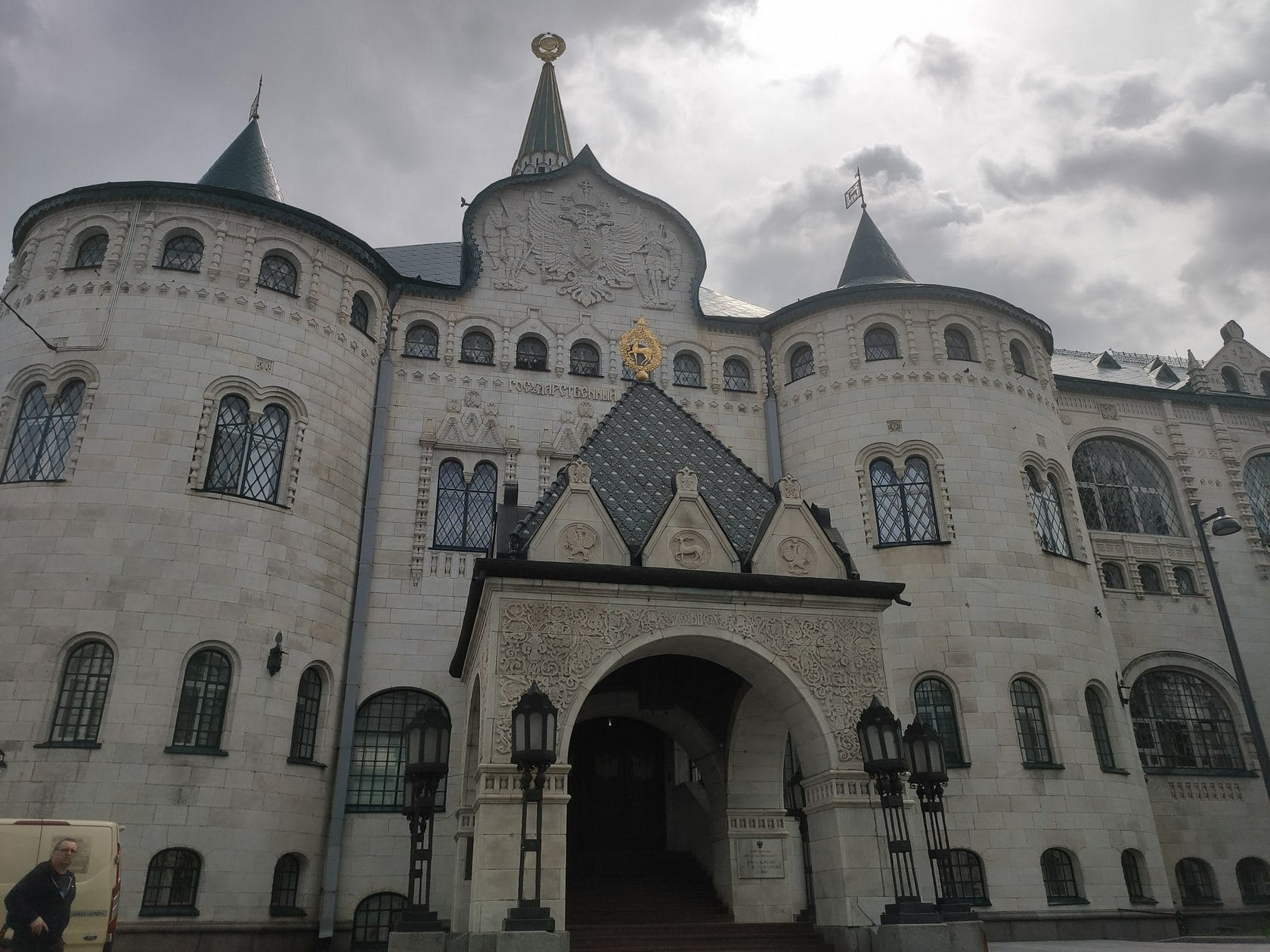
Impressive State Bank building
From the main shopping street to a commercial-pedestrian one in 2004. And to a Central Promenade according to all modern ideas of urban improvement — by the Strelka KB project — now.
With brief descriptions of buildings on benches, cleared of visual noise and wires, with granite underfoot, with attraction points for different user groups, and all that stuff we sit and dream about in Kirov.
Nizhny Novgorod Kremlin
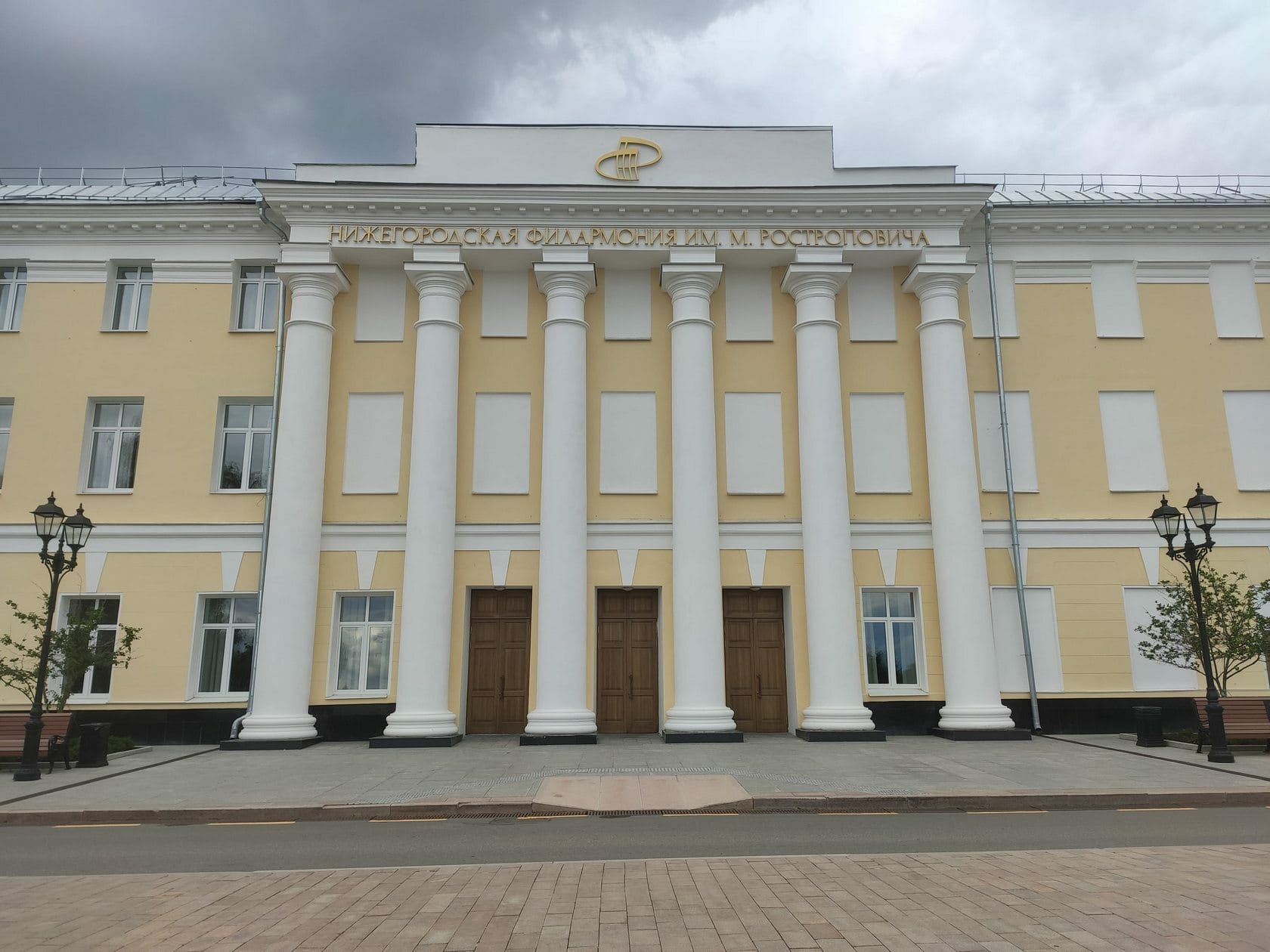
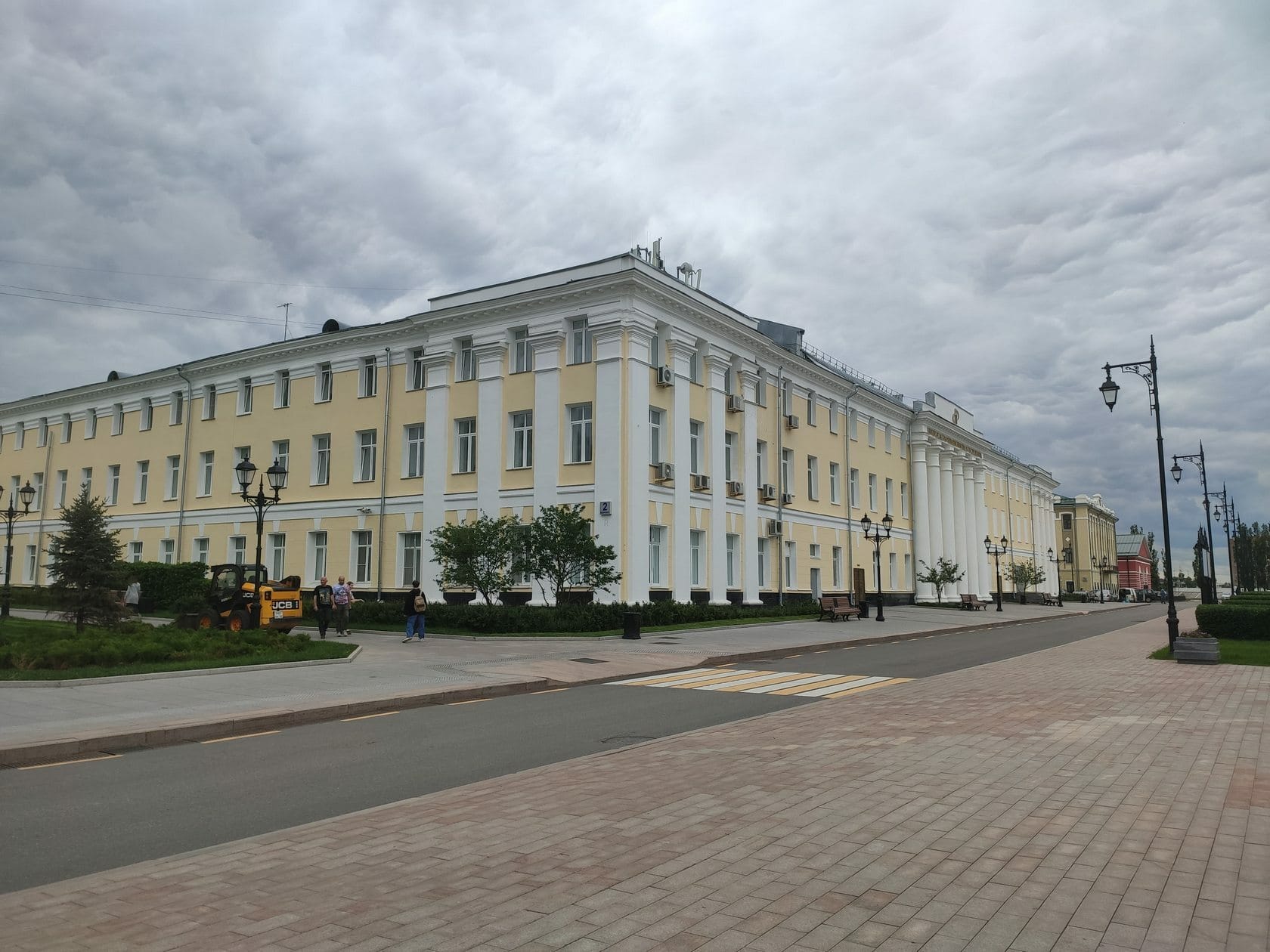
And now it’s time to get to know the Nizhny Novgorod Kremlin! Inside the “stone necklace” are the functioning residences of the Governor, the Mayor, and the Presidential Envoy to the Volga Federal District. Plus a Philharmonic, museums, a contemporary art center, one of Nizhny’s oldest churches and restored ones. And all of it right here.
It was built over 15 years at the beginning of the 16th century, replacing the dilapidated wooden one. The Nizhny Novgorod Kremlin was never taken by an enemy.
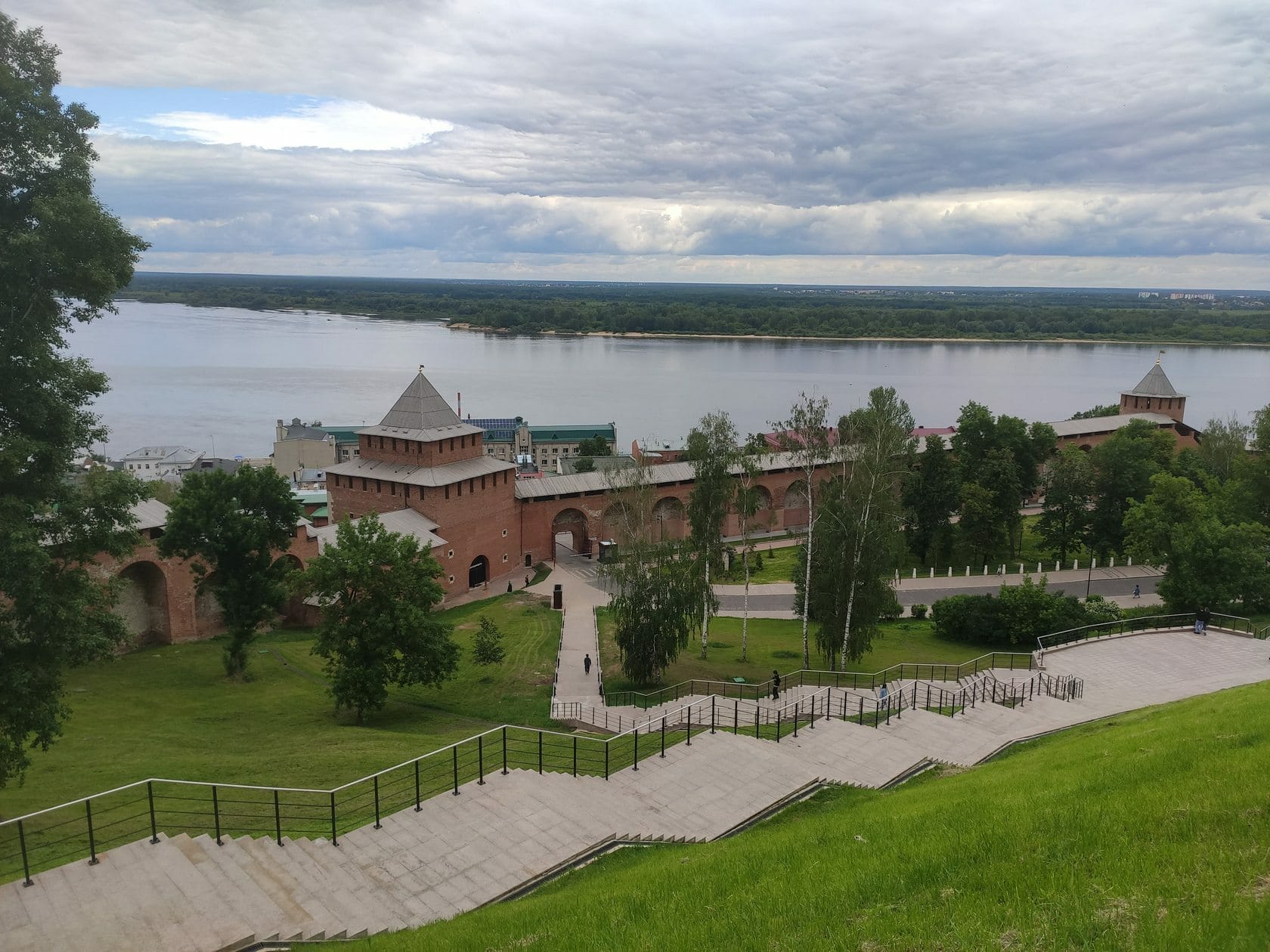
And yes, they restored it enough that you can walk the so-called “battle course.”
In three towers, museum exhibitions are open; in four — observation decks. With a 300-ruble ticket you can… or rather, you cannot visit the museum exhibitions. For that, you need a 500-ruble ticket.
One of them was about window casings, which is interesting, but I somehow didn’t check in advance which exhibitions I was missing. There was also one about mammoths, the militia, an archaeological one, and something else. In general, check in advance at the box office or on the website whether there’ll be something interesting for you.
But I had a great time regardless. The route is a little over 2 kilometers, with information plaques and interesting facts along the way.
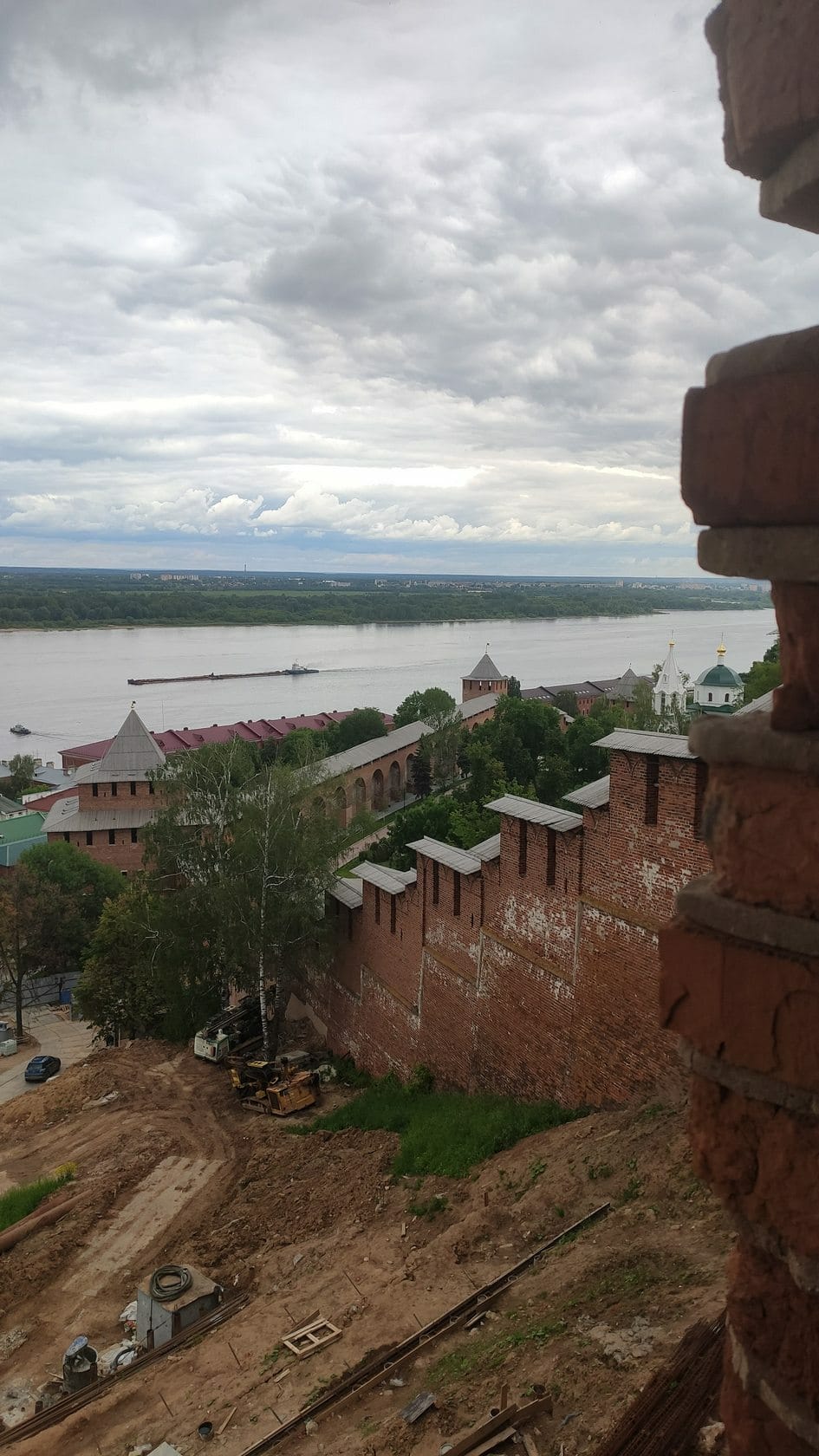
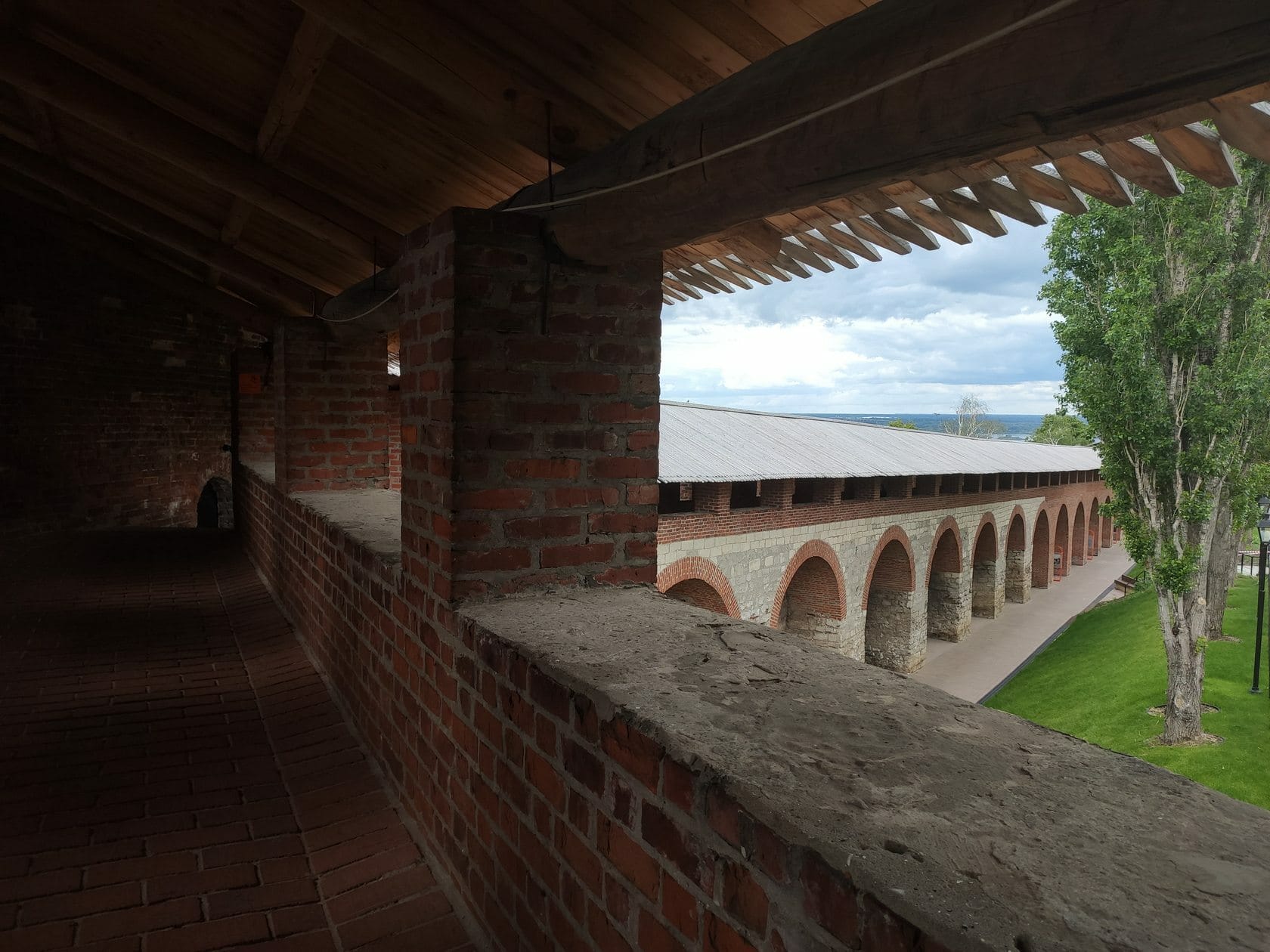
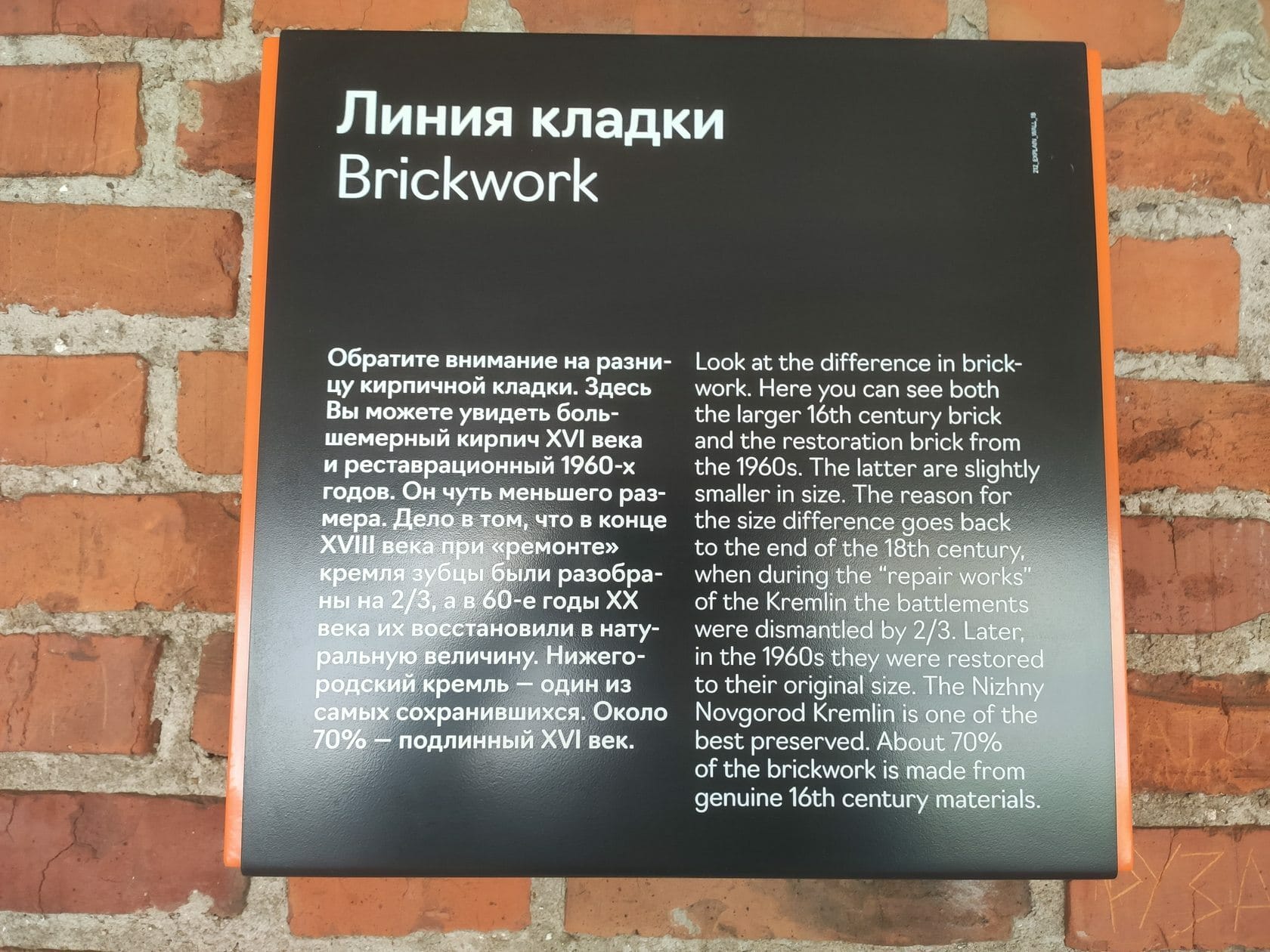
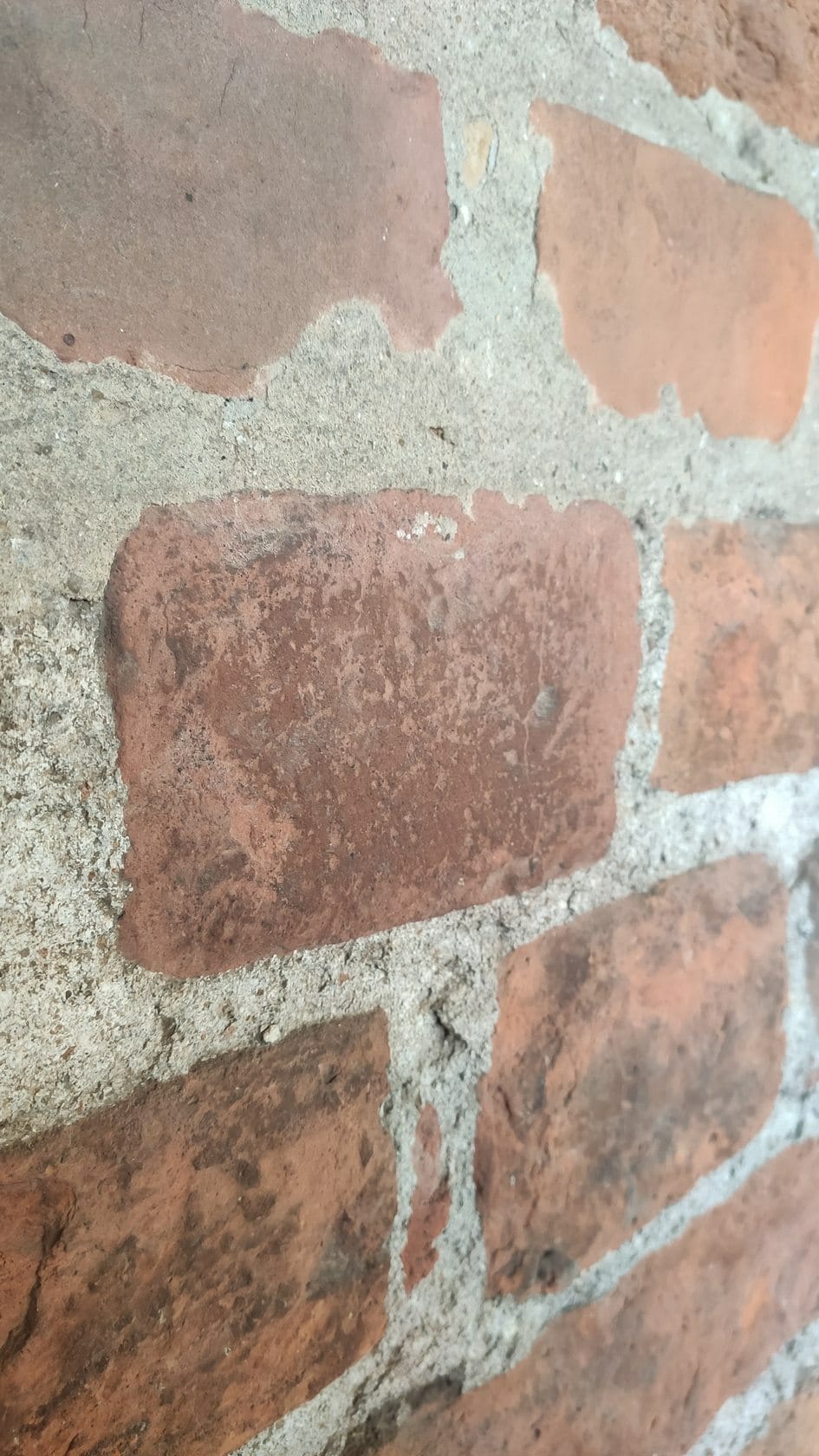
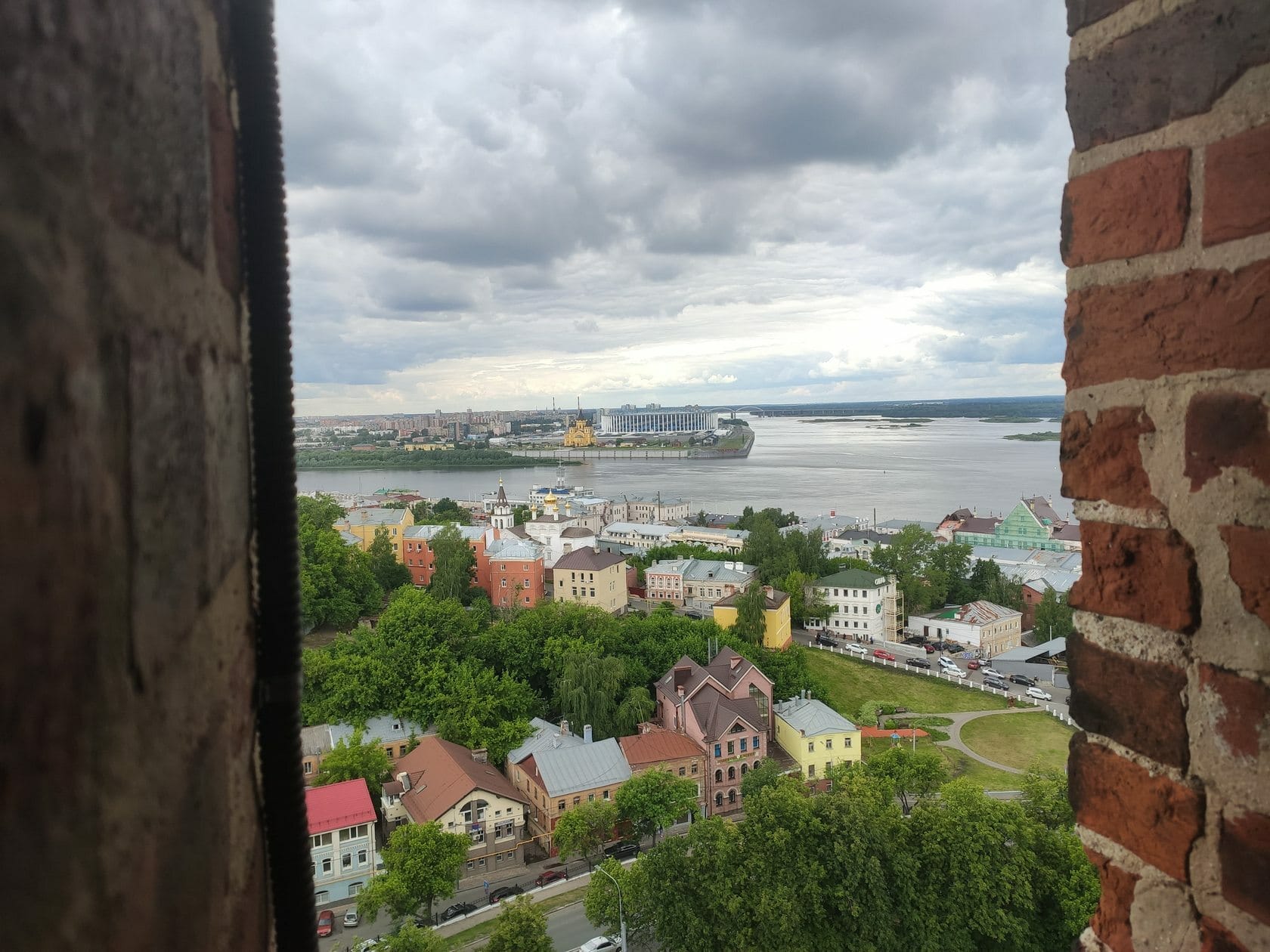
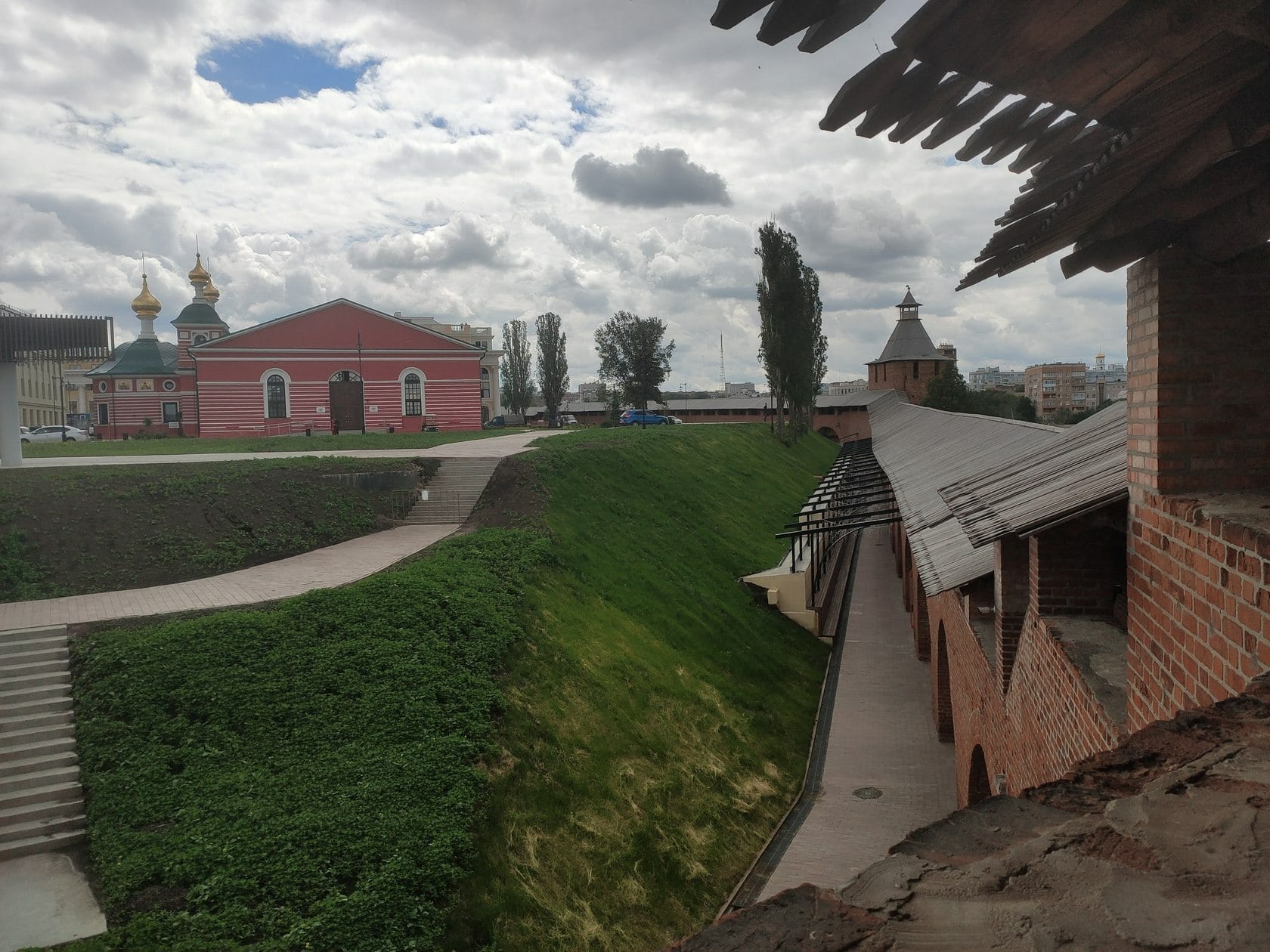
Experience one fact for yourself — the Nizhny Novgorod Kremlin has a record elevation difference between the upper and lower points of 82 meters. Arguments for “the capital of staircases” will surely multiply. I loved this experience.
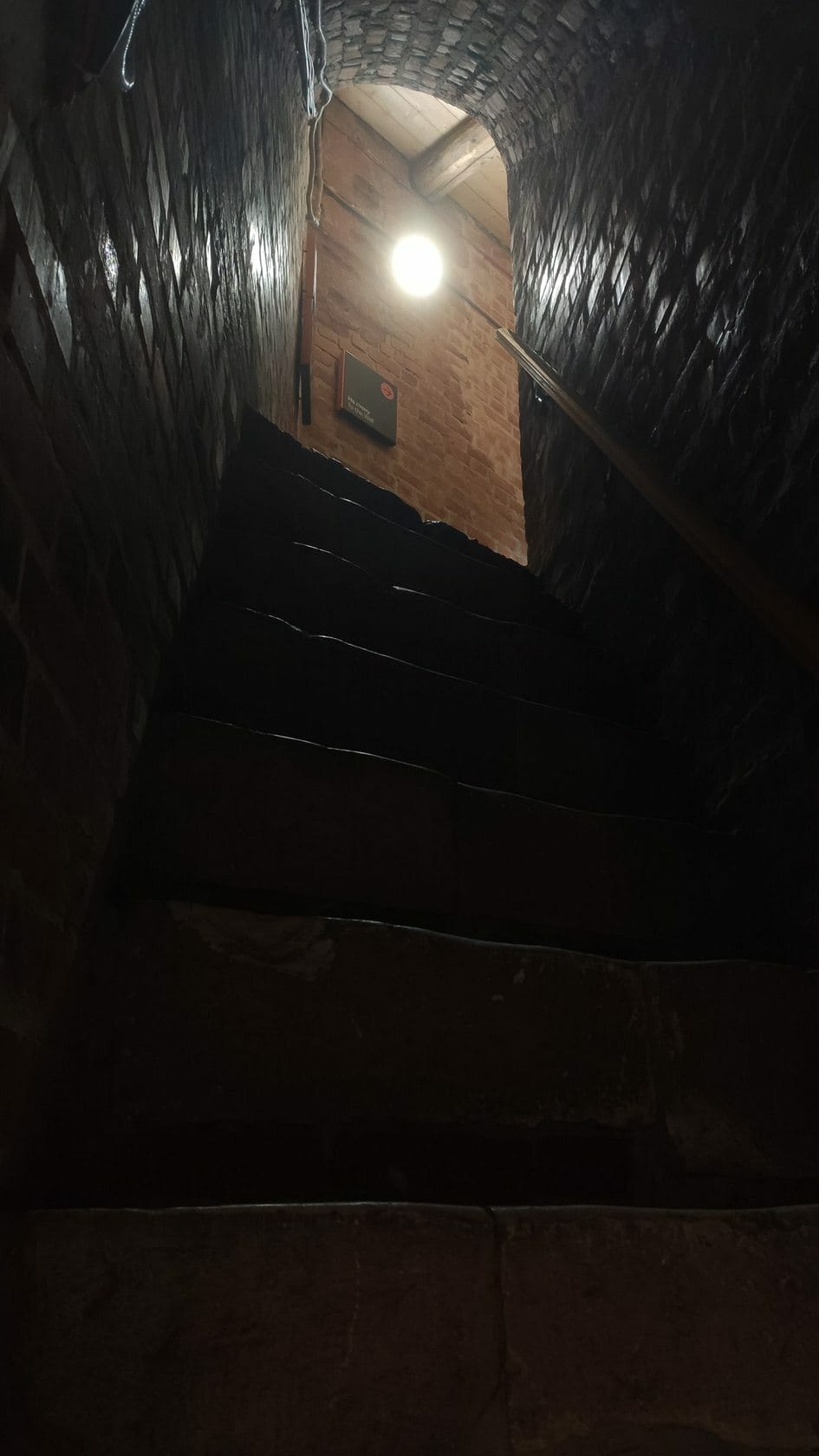
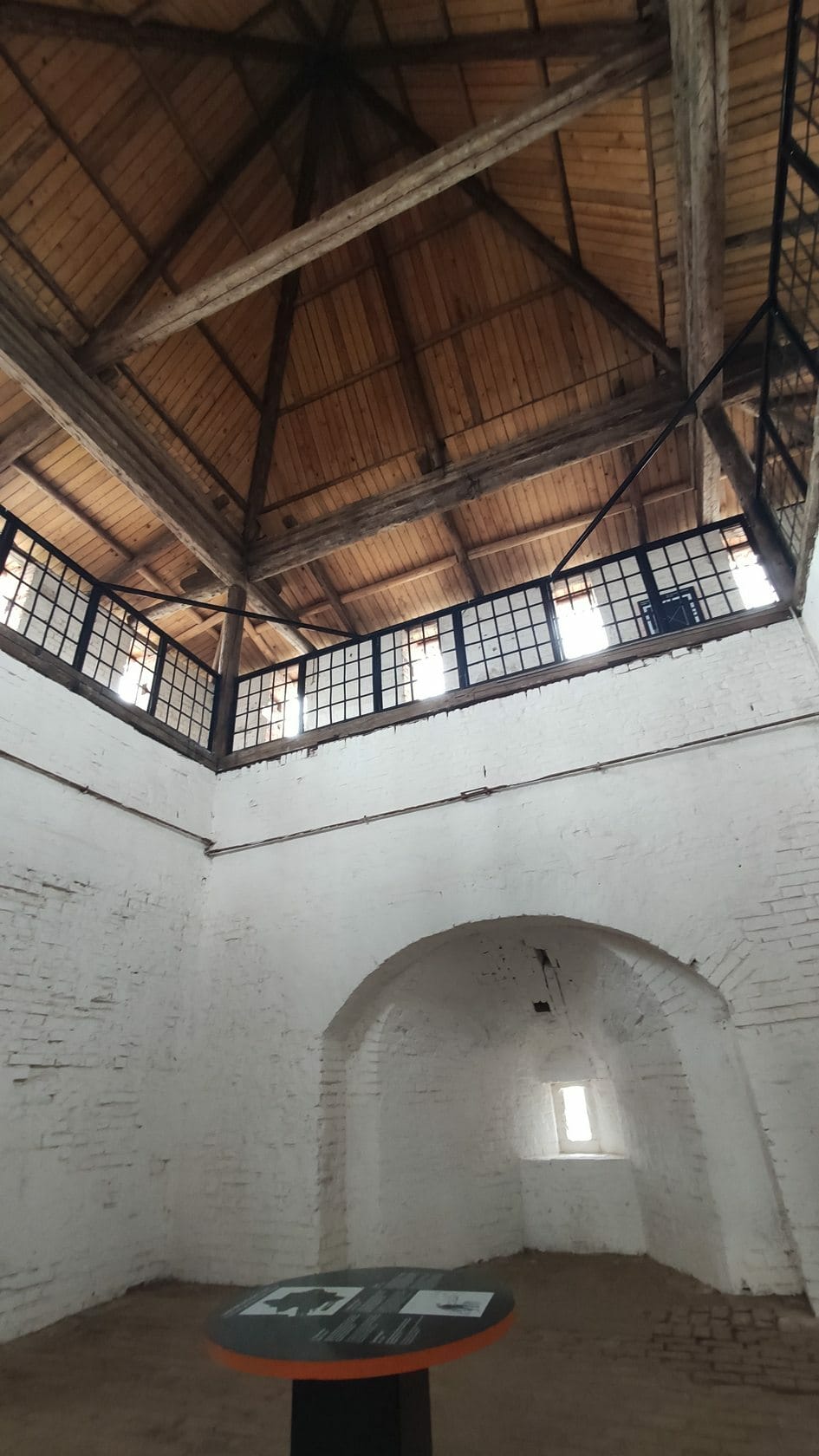
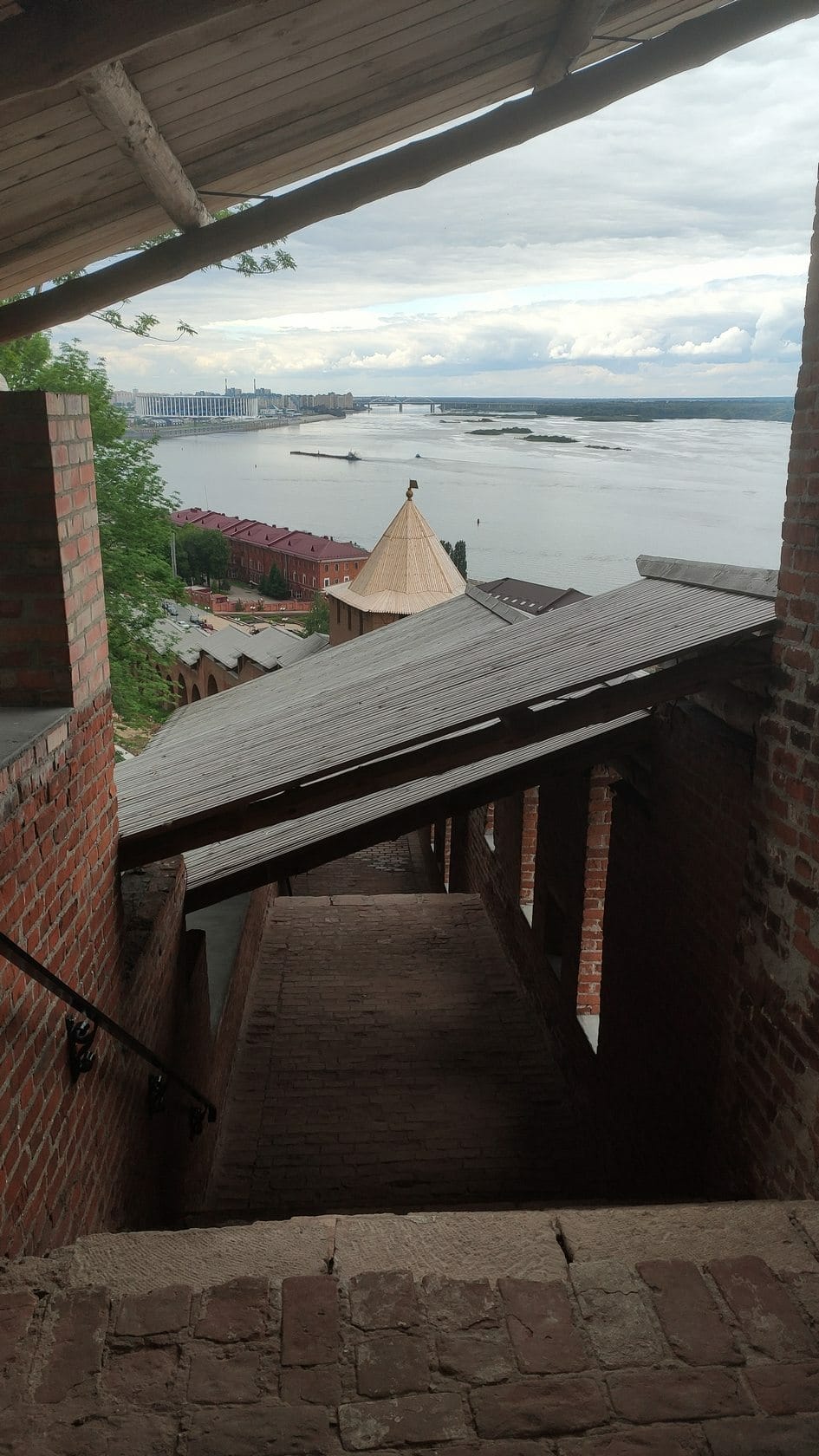
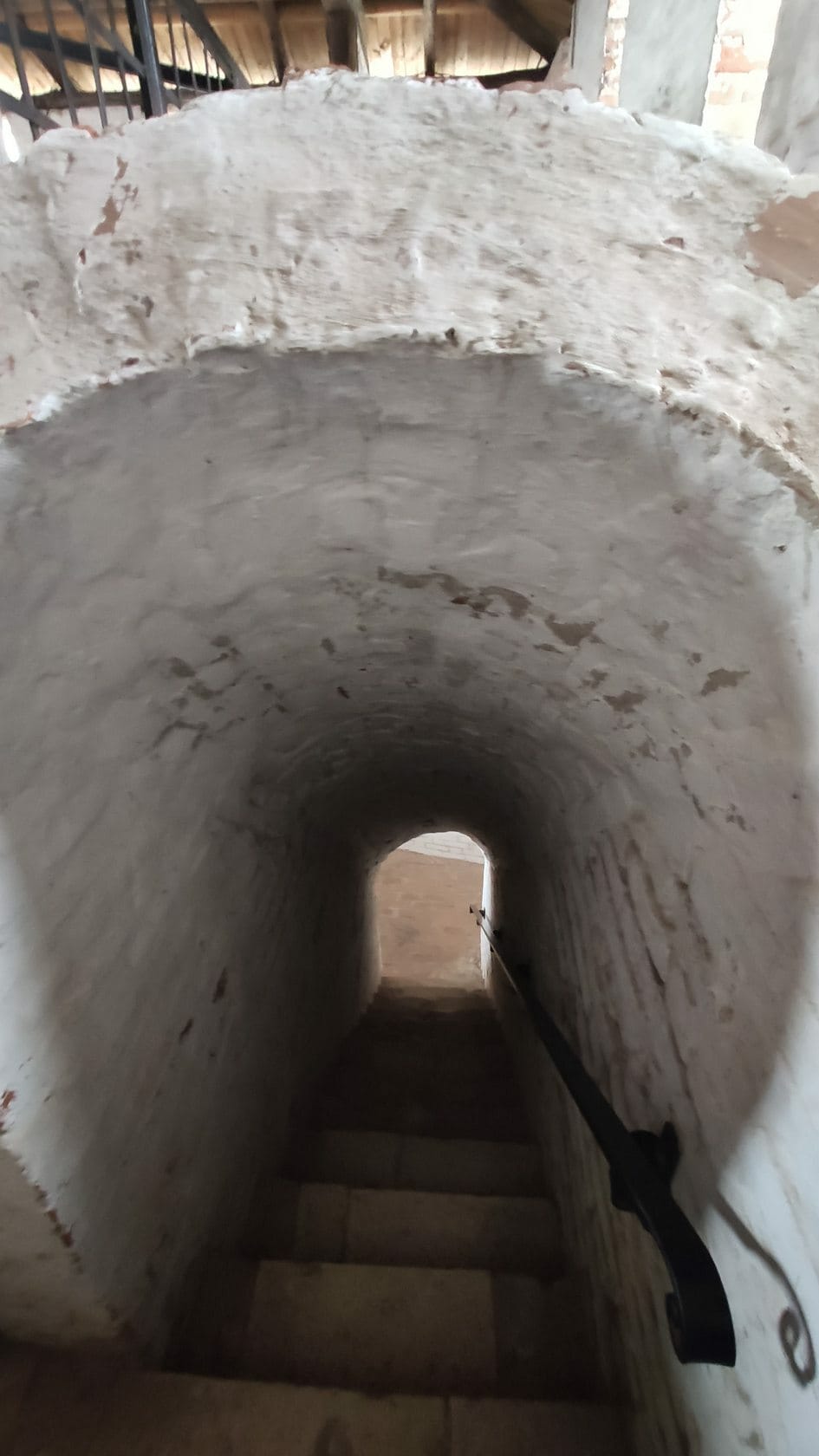
After the wall, I suggest popping into the Arsenal Contemporary Art Center. At least the shop.
If you’re going to an exhibition — on the website you might find an audio guide that makes everything easier to understand.
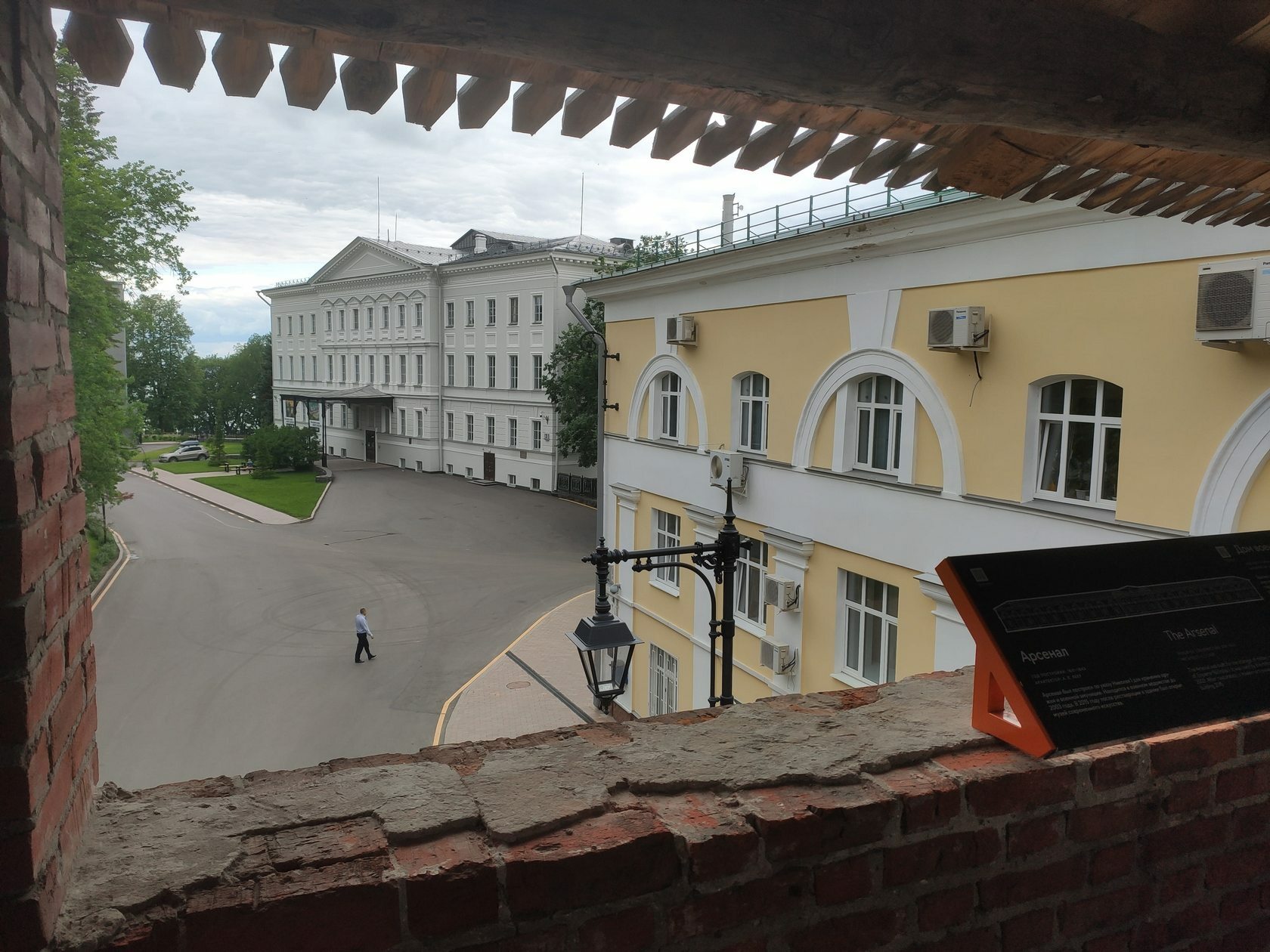
Sormovsky Park
Preparing for the trip, I Googled amusement parks with no hope. And stumbled upon one with something for adults. It’s far away, but time allowed.
I got on a bus and discovered Nizhny’s main fail — if it’s not about the historic center, expect traffic jams even in the daytime on a weekday. They really lack dedicated bus lanes there. Though, they must have built the Metro for something.
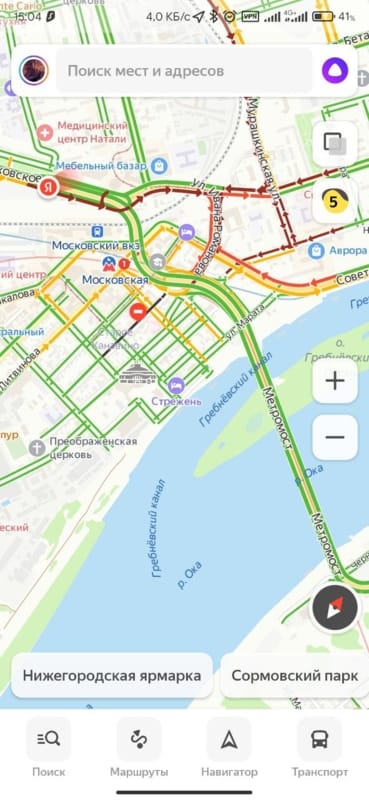
Tuesday, 3:04 PM I encountered this on the bus
On the way from the stop to the park, I came across the rather charming Burevestnik Square
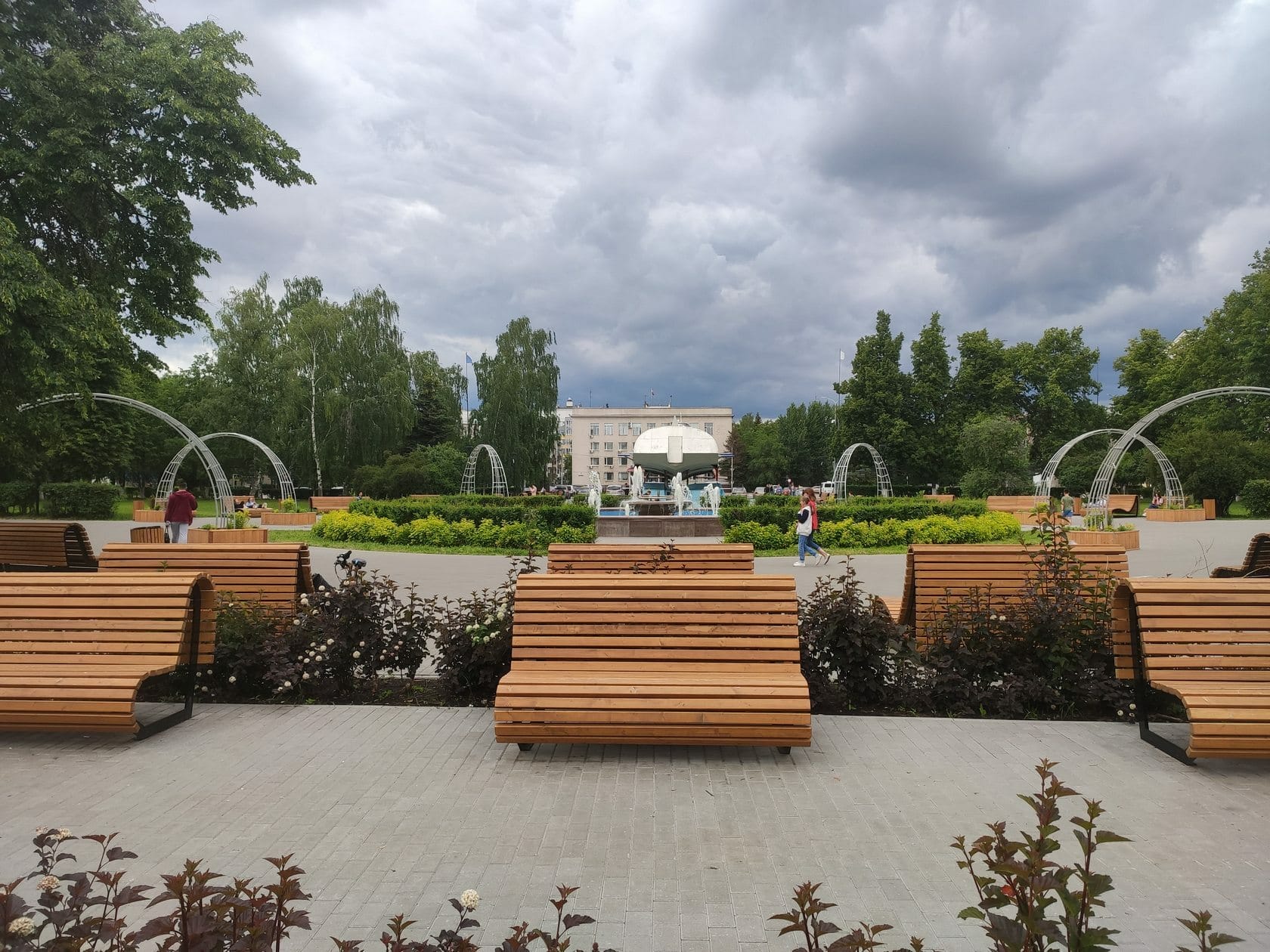
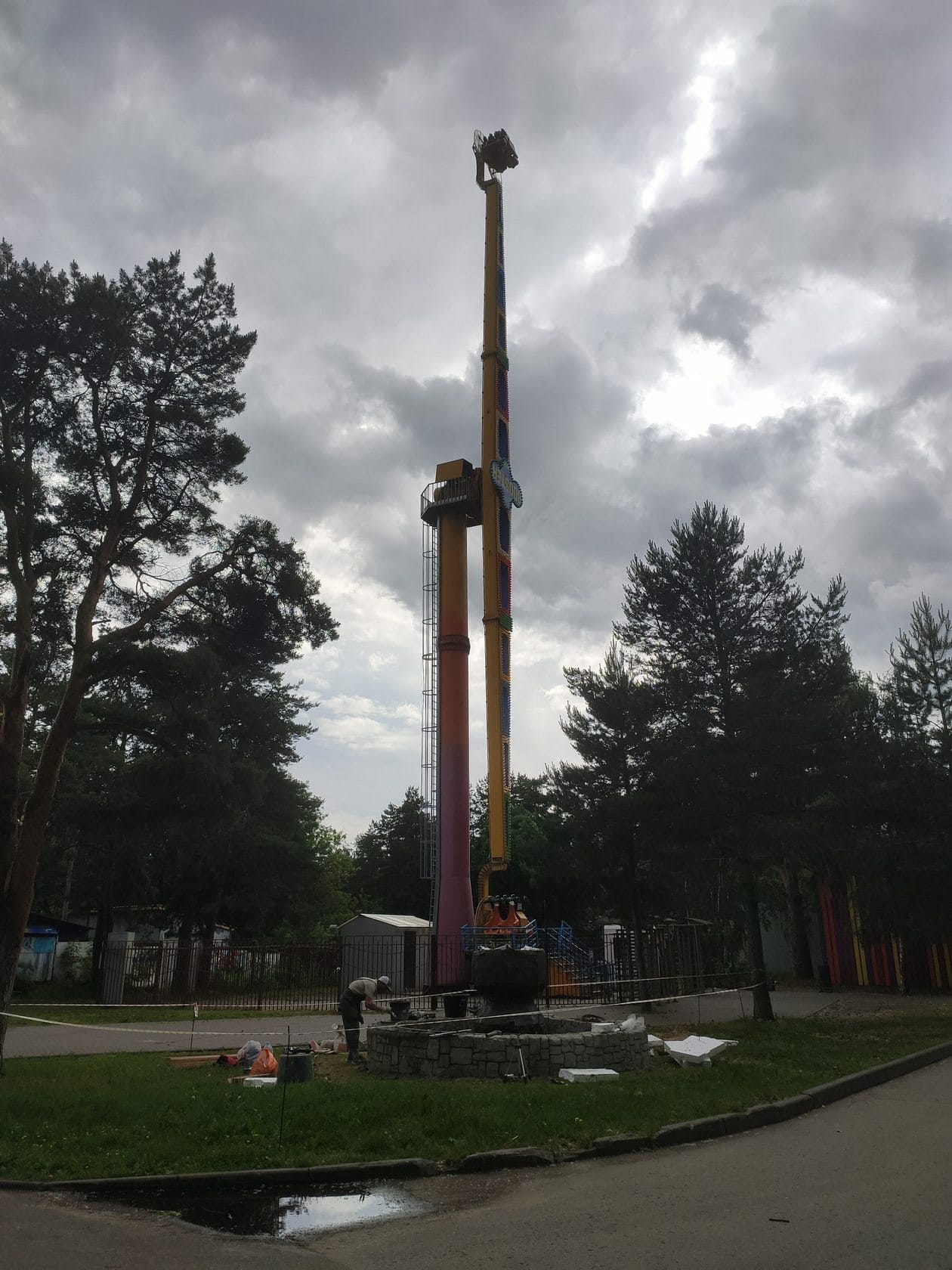
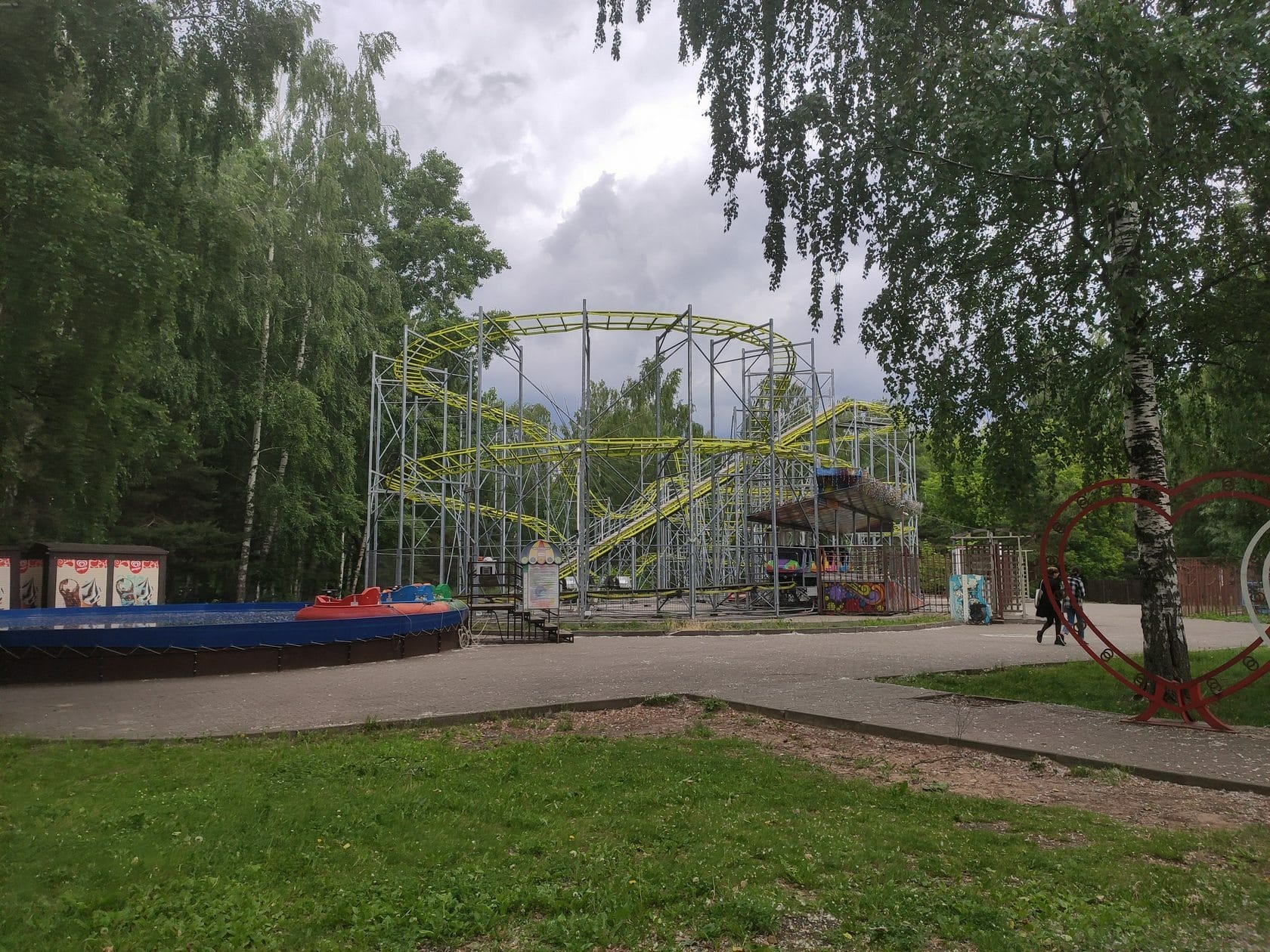
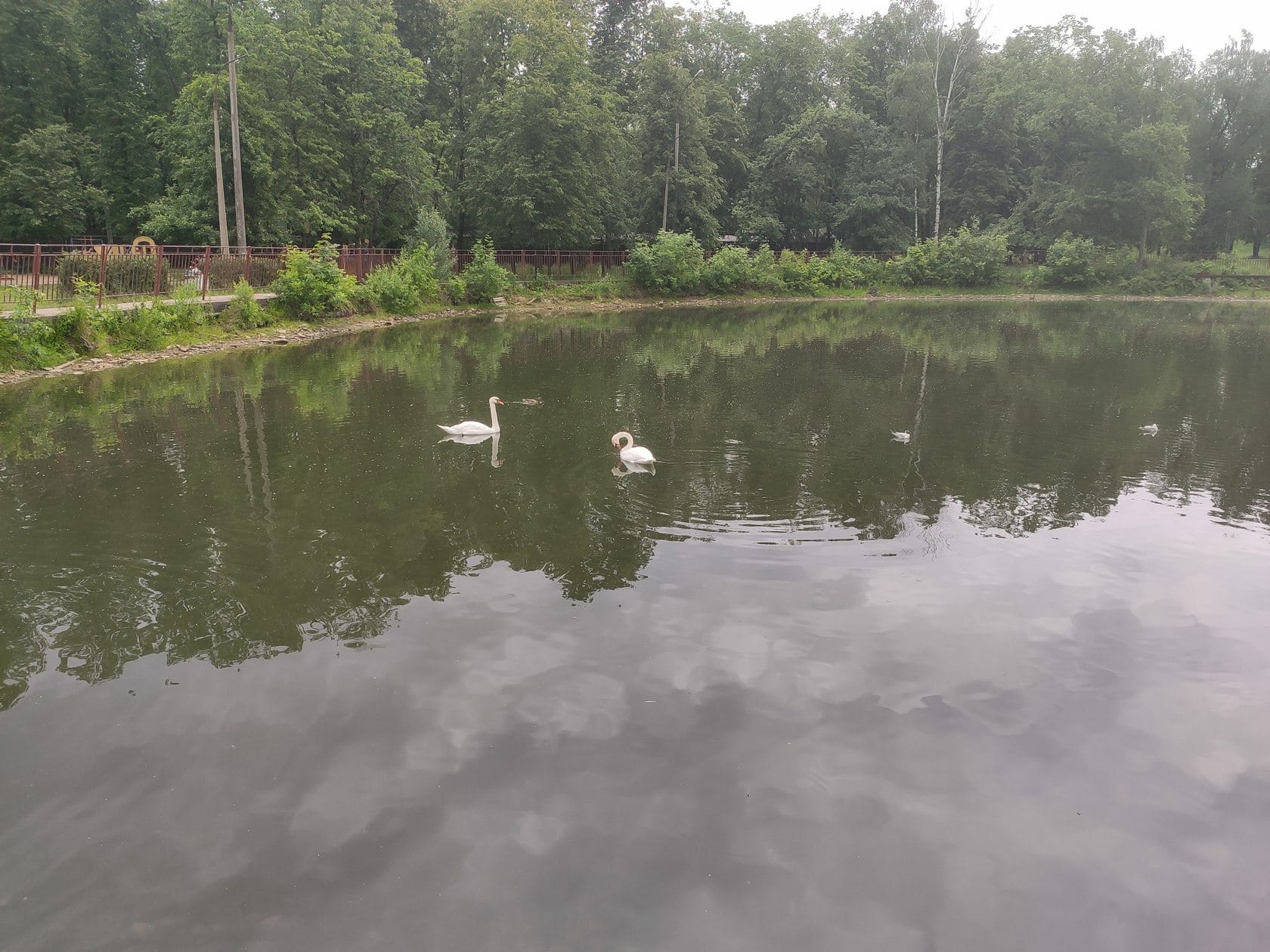
And here it is — what the last 1.5 hours of travel led me to. A place of entertainment for all ages. I feared it might start raining and everything would close, but I was lucky. The budget allowed choosing one thing — let it be the slides. At the box office, you need to buy a park card for 50 rubles and load money onto it.
The slides were fun, but it all lasted only 1.5 minutes. In the moment, more fun than our “Yemelya,” but leaves no aftertaste.
Nizhny Novgorod Fair
...before it
Makary bustles about,
boils with abundance.
The Indian brought pearls here,
The European, counterfeit wines,

A herd of defective horses
the breeder drove from the steppes,
The gambler brought his decks
and a handful of obliging dice,

The landowner — ripe daughters,
and the daughters — last year's fashions.
Everyone bustles, lies for two,
and everywhere there's a mercantile spirit.

Alexander Pushkin, "Eugene Onegin"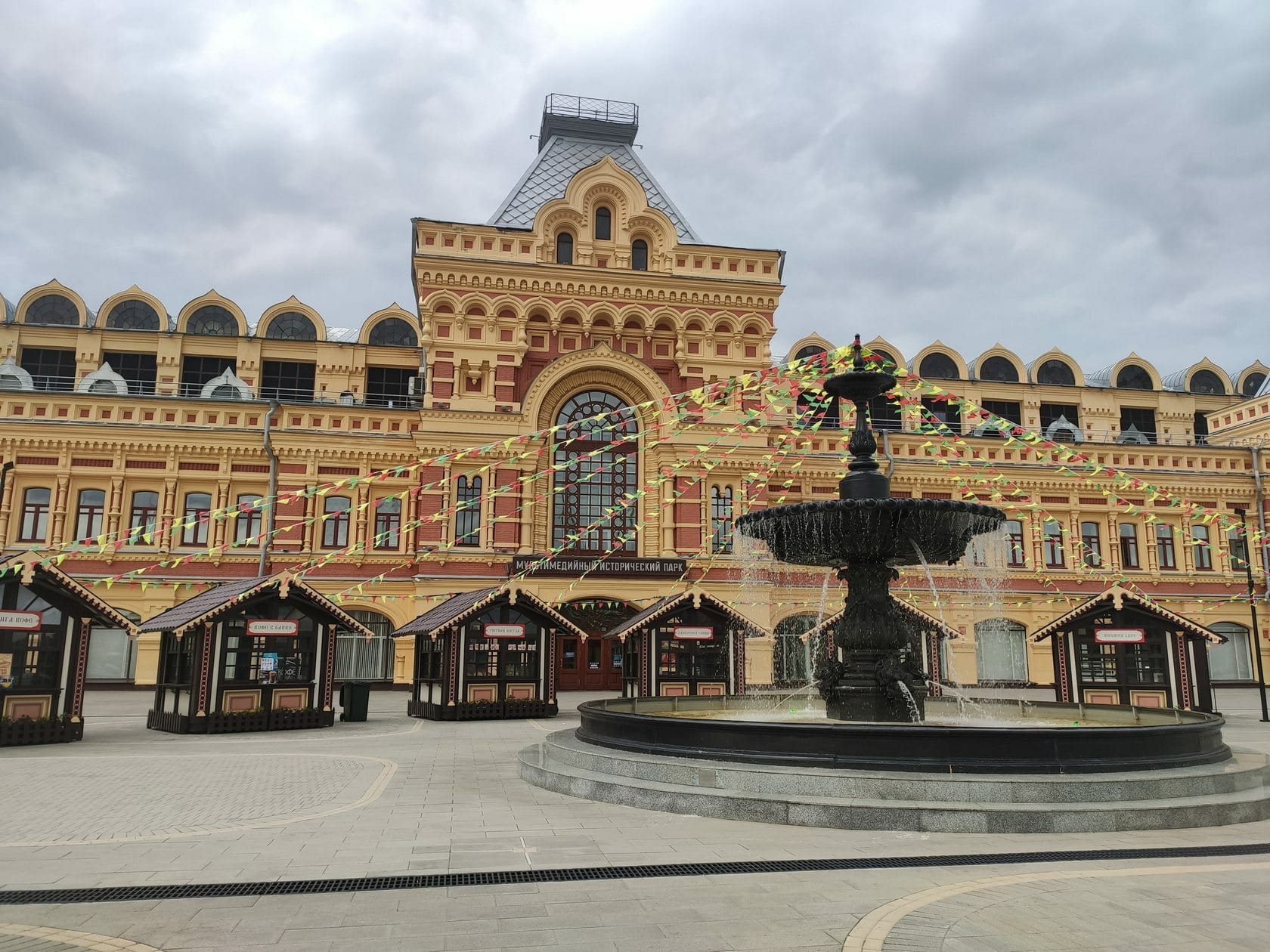
Main Fair House
Nizhny Novgorod — the center of public and business life of the Russian Empire, conveniently located on the country’s main transport artery — the Volga.
Now the Fair’s traditions have been reimagined to return as a venue for exhibitions and business events of any scale.
I highly recommend watching the film by Leonid Parfyonov’s “Namedni” studio before your trip
“RUSSIA’S POCKET,” created for the 800th anniversary of Nizhny Novgorod.
And on the train, you can listen to the lecture series “Discovering Russia: Nizhny Novgorod” from Arzamas (and then not stop listening to lectures on the site, in the app, podcast aggregator on public transport, bike rides, at home)
“RUSSIA’S POCKET.” For the 800th anniversary of Nizhny Novgorod: from Minin’s militia to the “GAZel” film by the “Namedni” studio
Let’s “pro-” and “con-” appreciate the territory. Having first gotten to know it from StrelkaMag’s material on the changes.
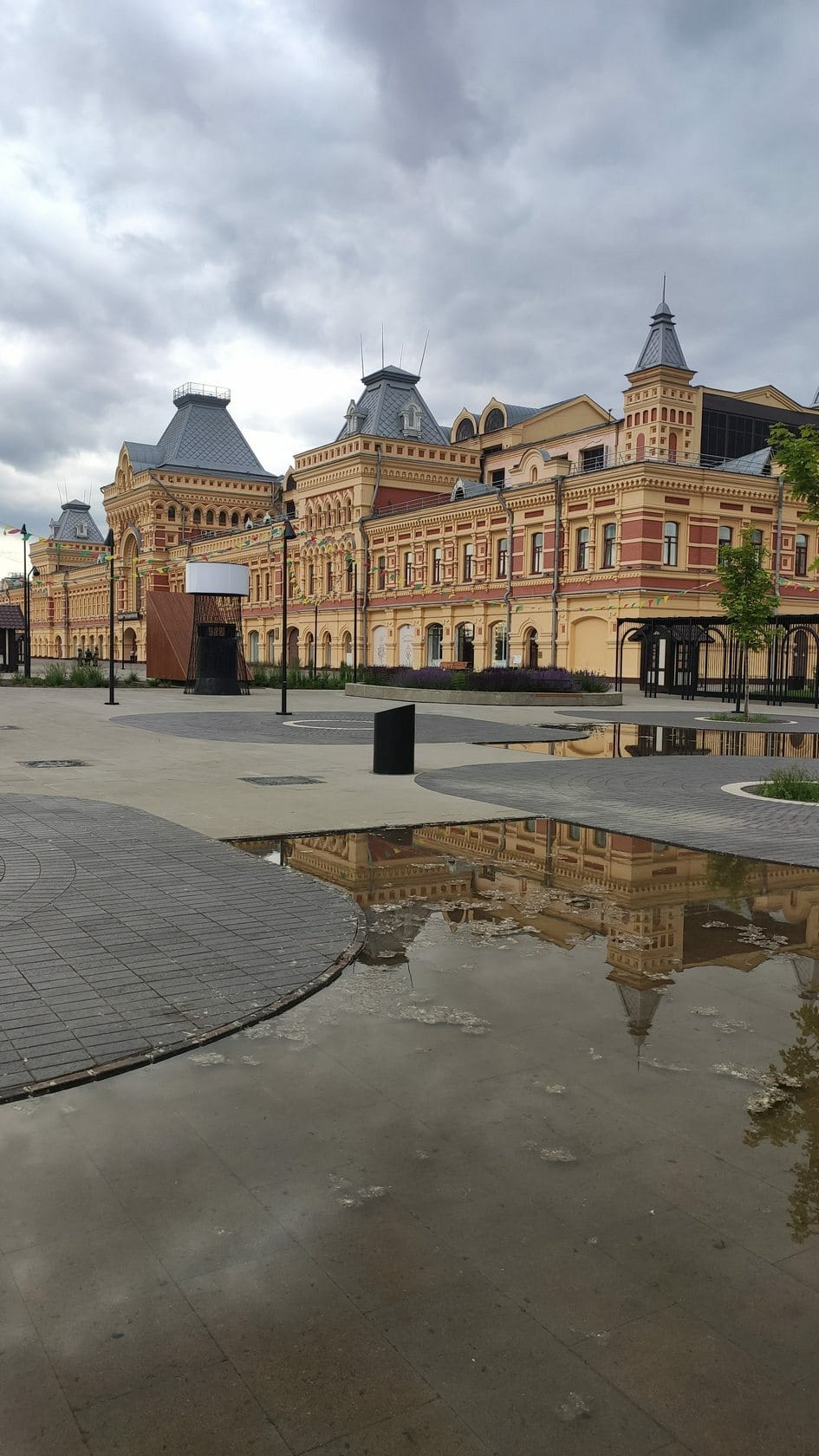
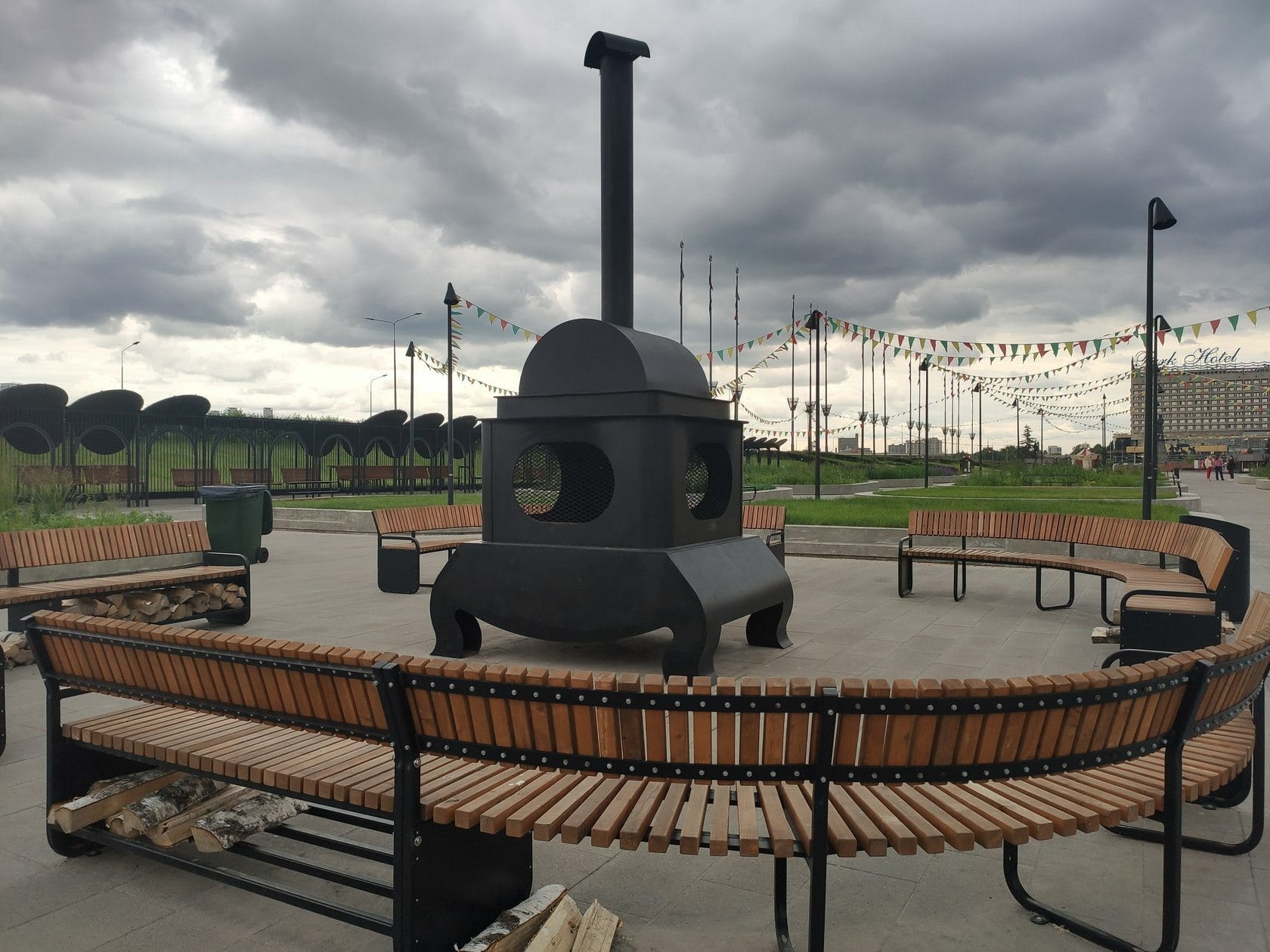
We’ve already spotted a fountain preserved from the 19th century, plenty of places to rest. The pavilion nearby is very Instagrammable (not banned in the Russian Federation, unlike the social network that gave us this term) and cinematic, while managing not to steal attention from the main one. If you were putting mental checkmarks during the video thinking “it must be great here on New Year’s” — add this one too.
The Spit and the packhouses
Now things will be incredibly beautiful!
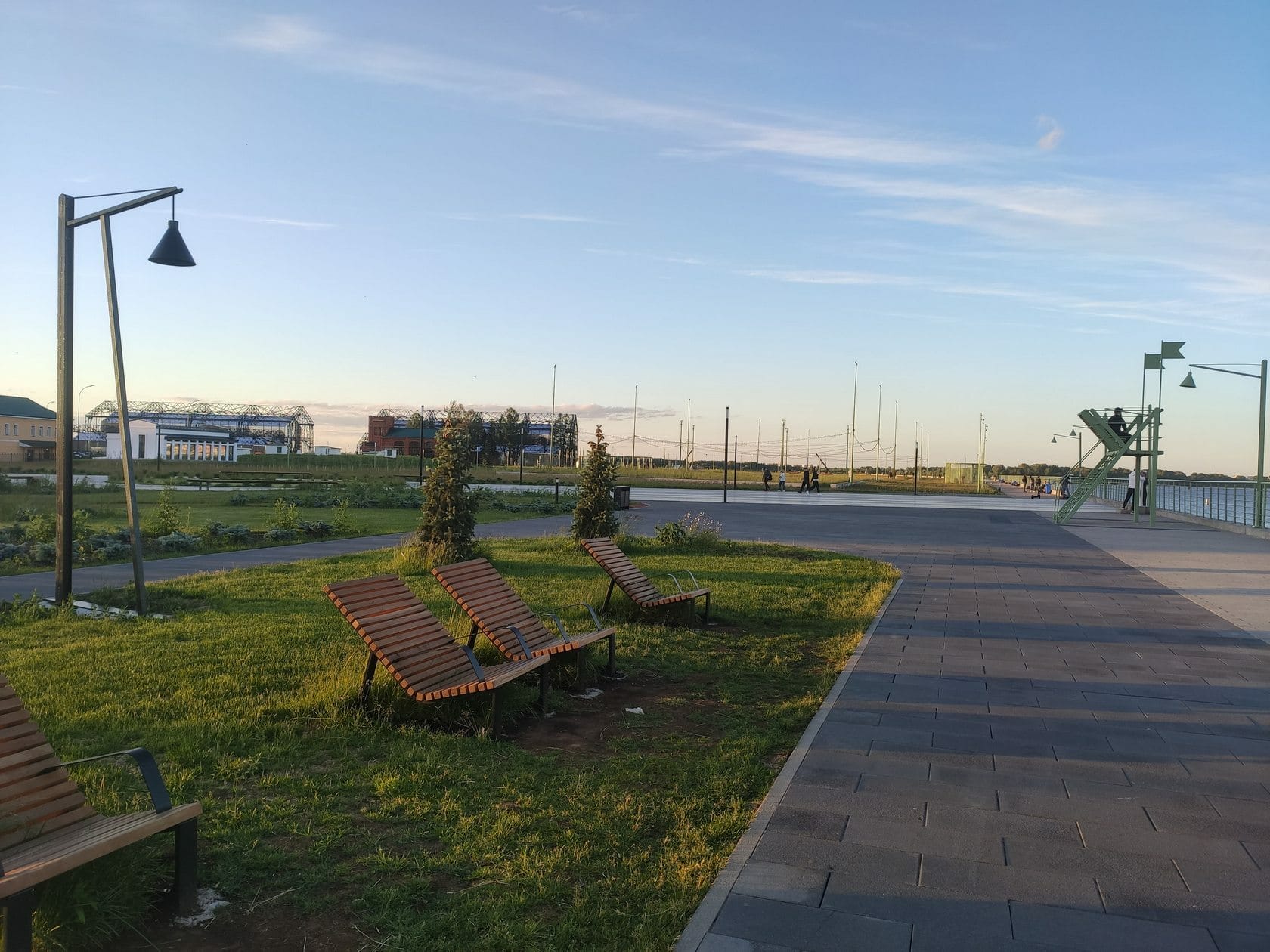
And now about my favorite, and the highest ratio of mental “holy crap” per glance.
So there’s a most unique natural area — the confluence of the Oka and the Volga.
And there was a river port here, important for the fairs. In 1880, the Alexander Nevsky Cathedral was built, and a little later came the defining event for the Spit and much of the city — the All-Russia Industrial and Art Exhibition of 1896.
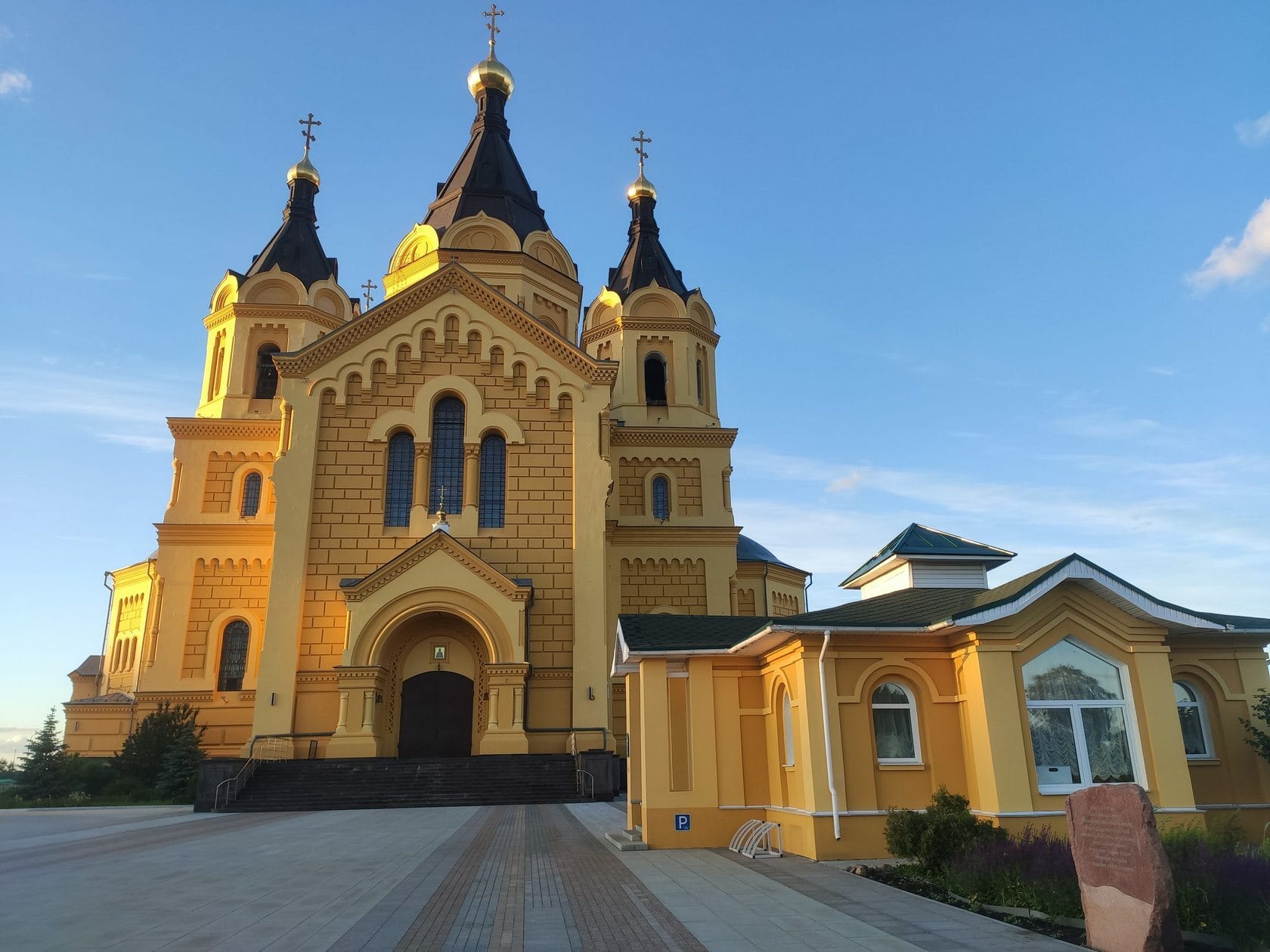
In the Soviet years, the cathedral was nearly replaced by a monument to Lenin. During the Great Patriotic War, attacks by German aviation on the port and bridge were repelled here. After the collapse of the Union and privatization, the territory was built up with “well, that kind of” stuff.
Beauty and goodness began to win out before the FIFA World Cup. The port was relocated, a stadium was built, and reconstruction began. The good sparked a desire for the better. They found a Cold War-era underground bunker (in 2017, there was a fire there). But most importantly — they discovered these tough guys
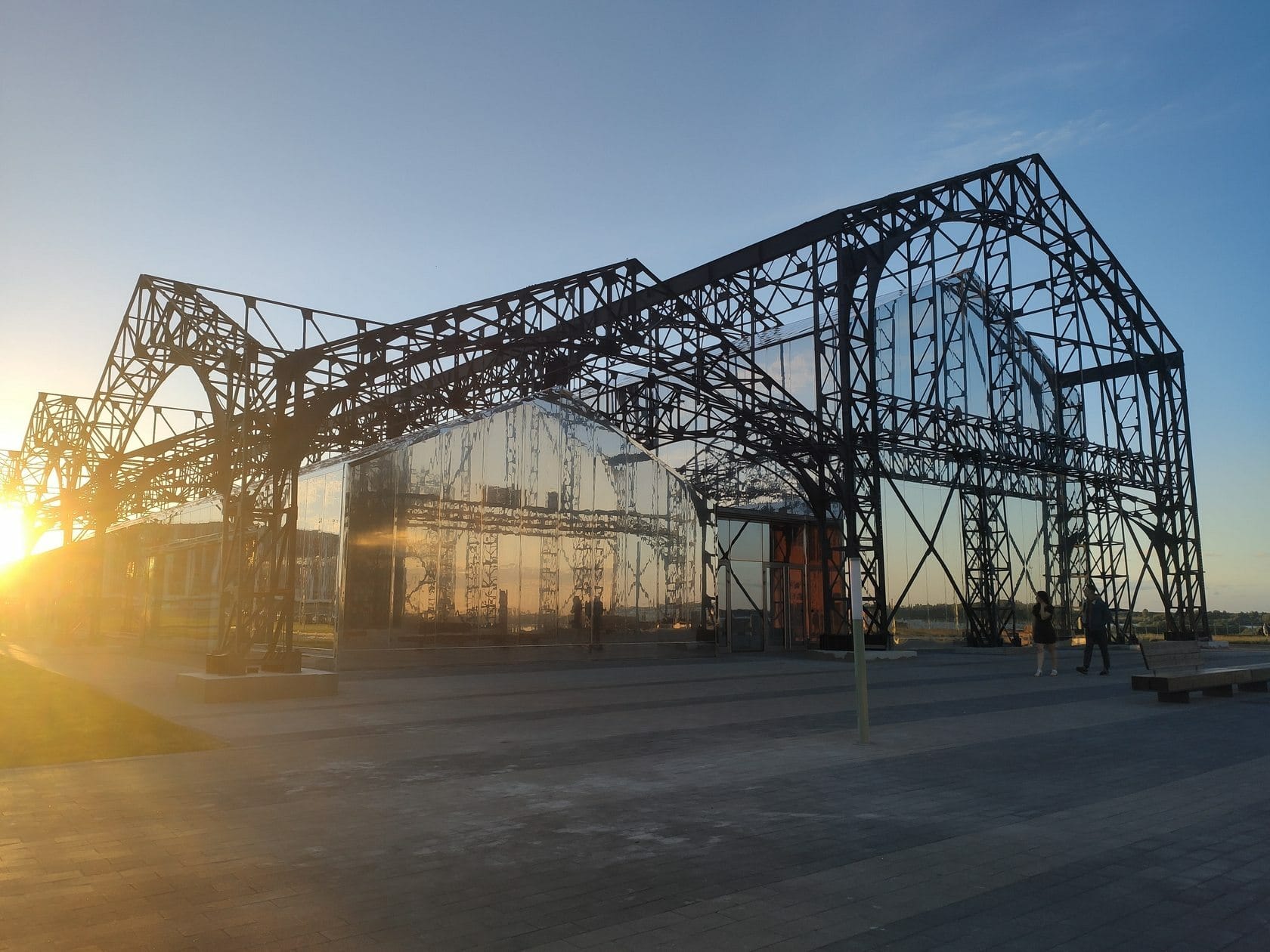
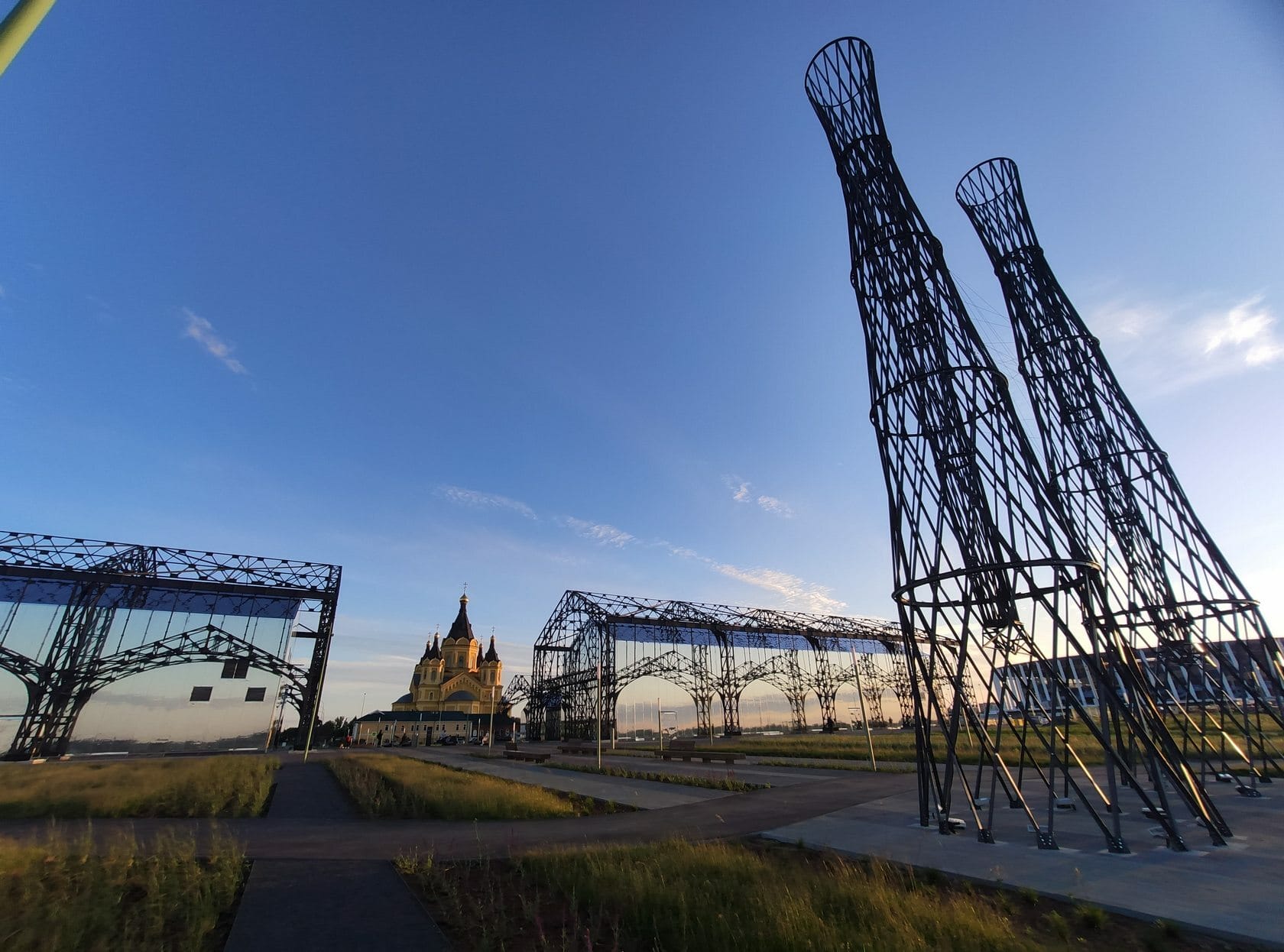
They were nearly demolished, buried under a layer of port warehouses, but residents proved their importance.
Because these structures are the frames of packhouses, i.e., warehouses of the central exhibition pavilion of the All-Russia Industrial Exhibition of 1896.
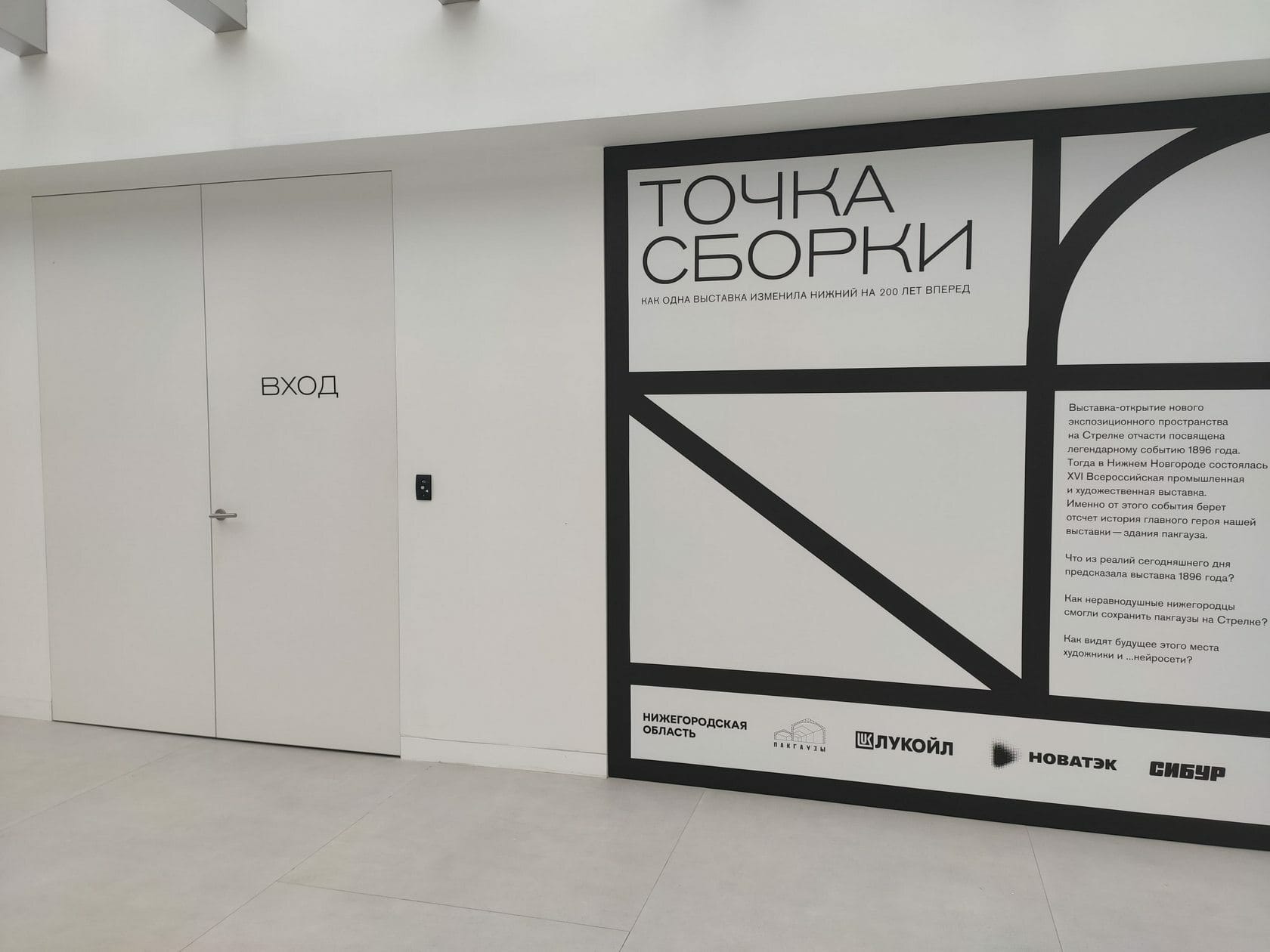
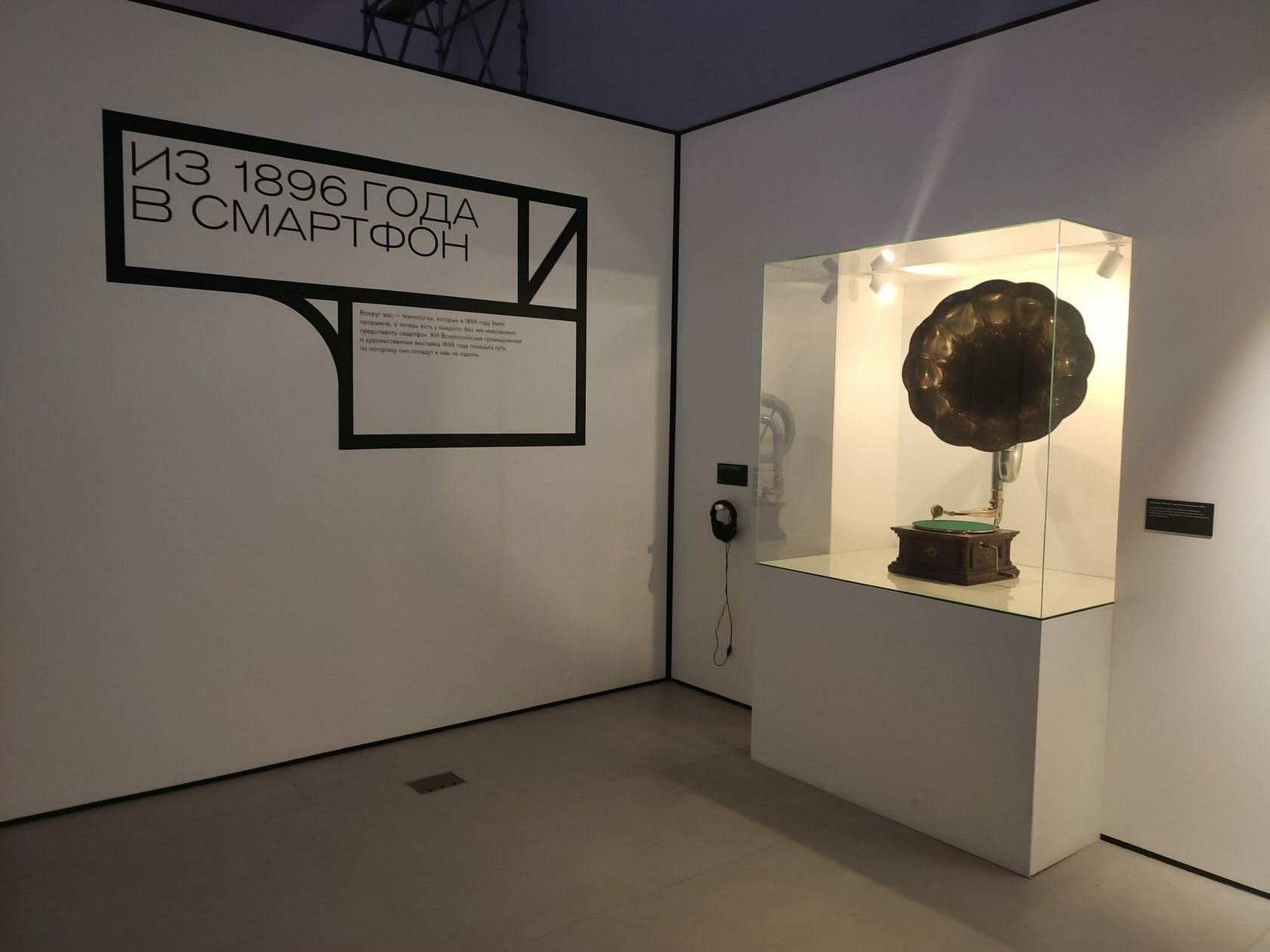
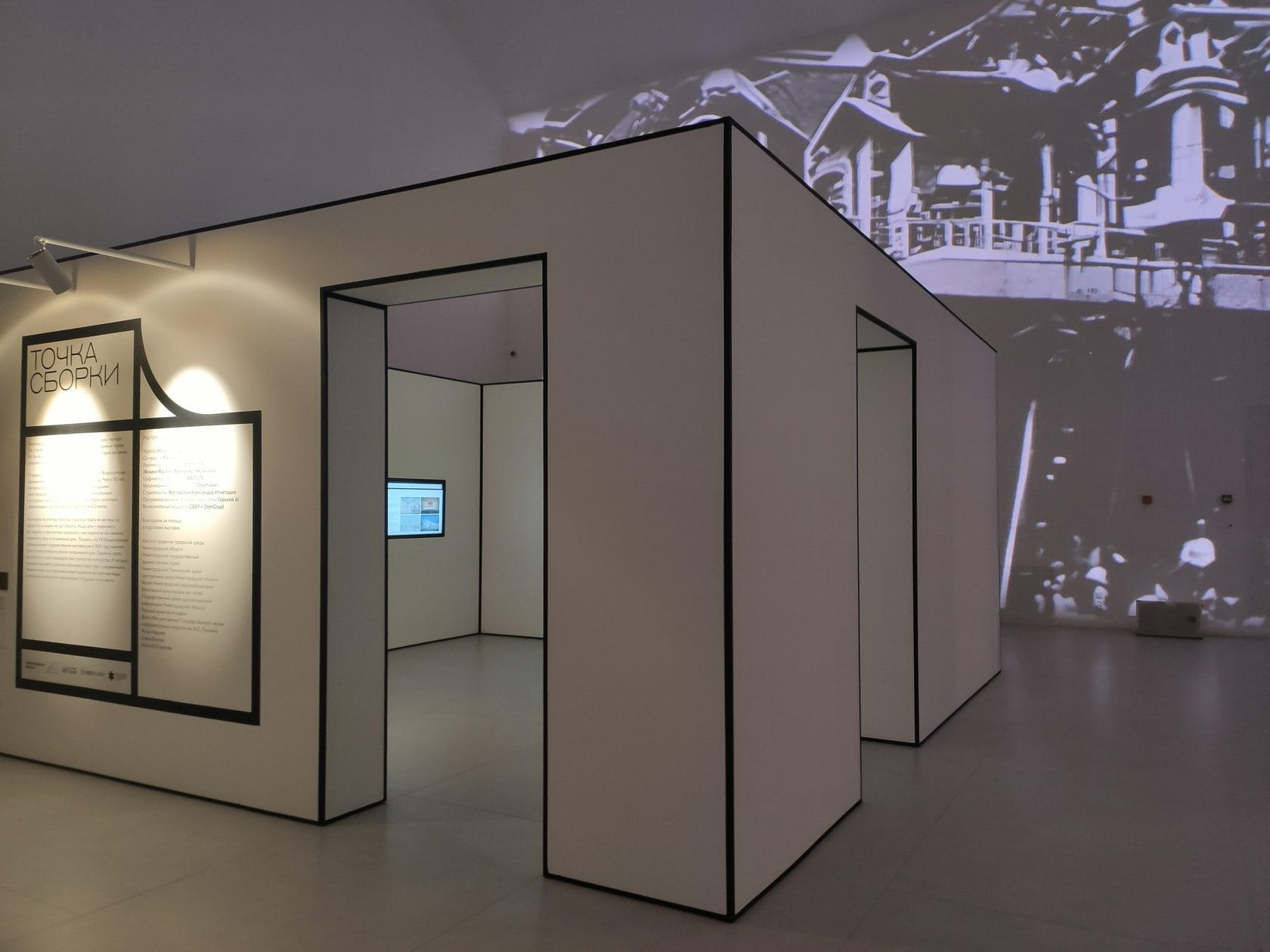
“Assembly Point” exhibition
04.06.2022 — 03.07.2022 in the left packhouse
and the packhouses also have their own website
The packhouses were granted regional-level cultural heritage status; once designated as monuments, they were freed and preserved.
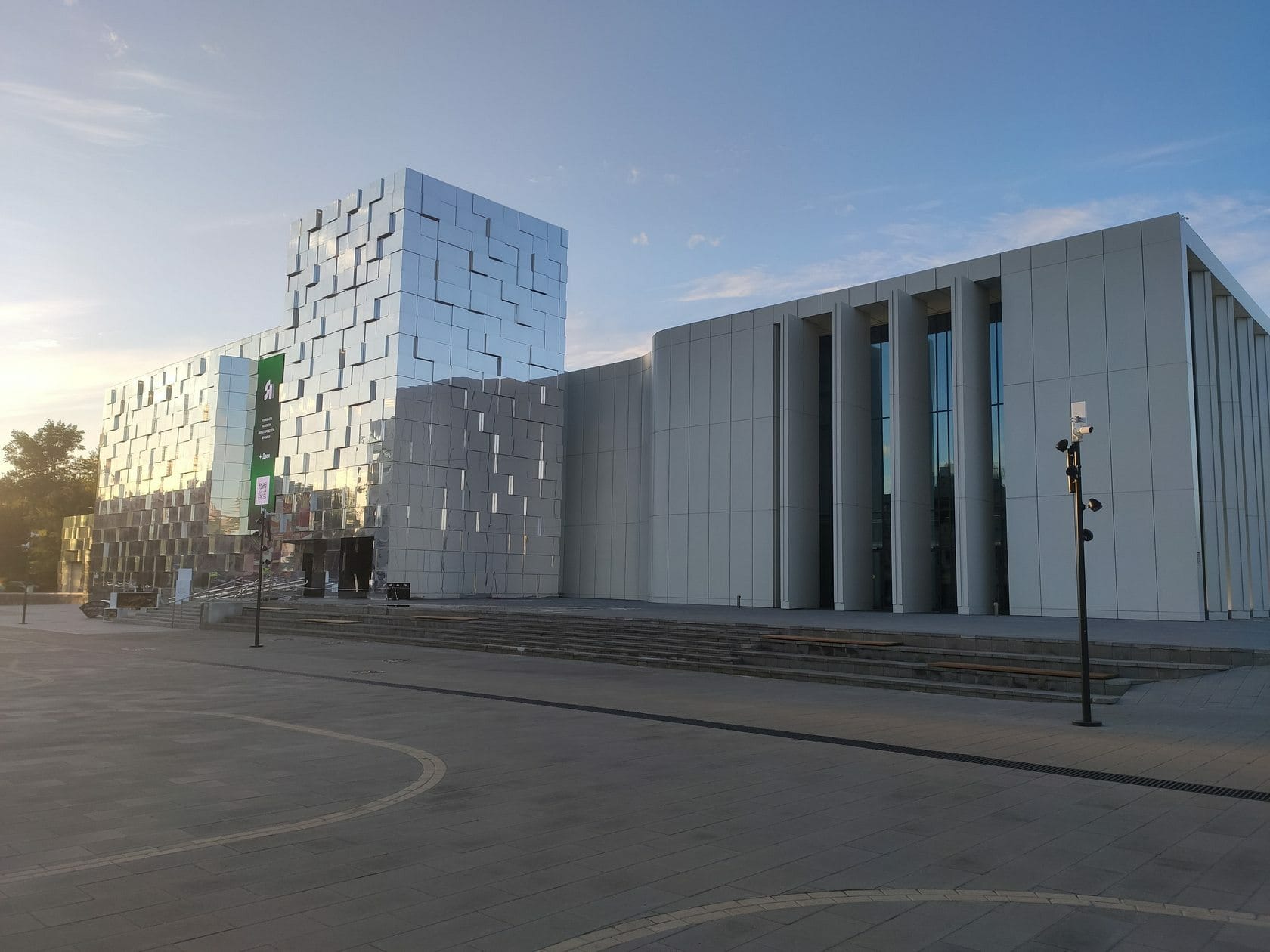
According to the Strelka development concept, a cultural center was missing. The project to adapt the packhouses to a new life was developed by the SPEECH architectural bureau.
And here we are. In this evening. I contemplate the setting sun and the openwork structures of pre-revolutionary metal reflected in the mirror of polished stainless steel. And I melt into ice cream in +45 from such beauty.
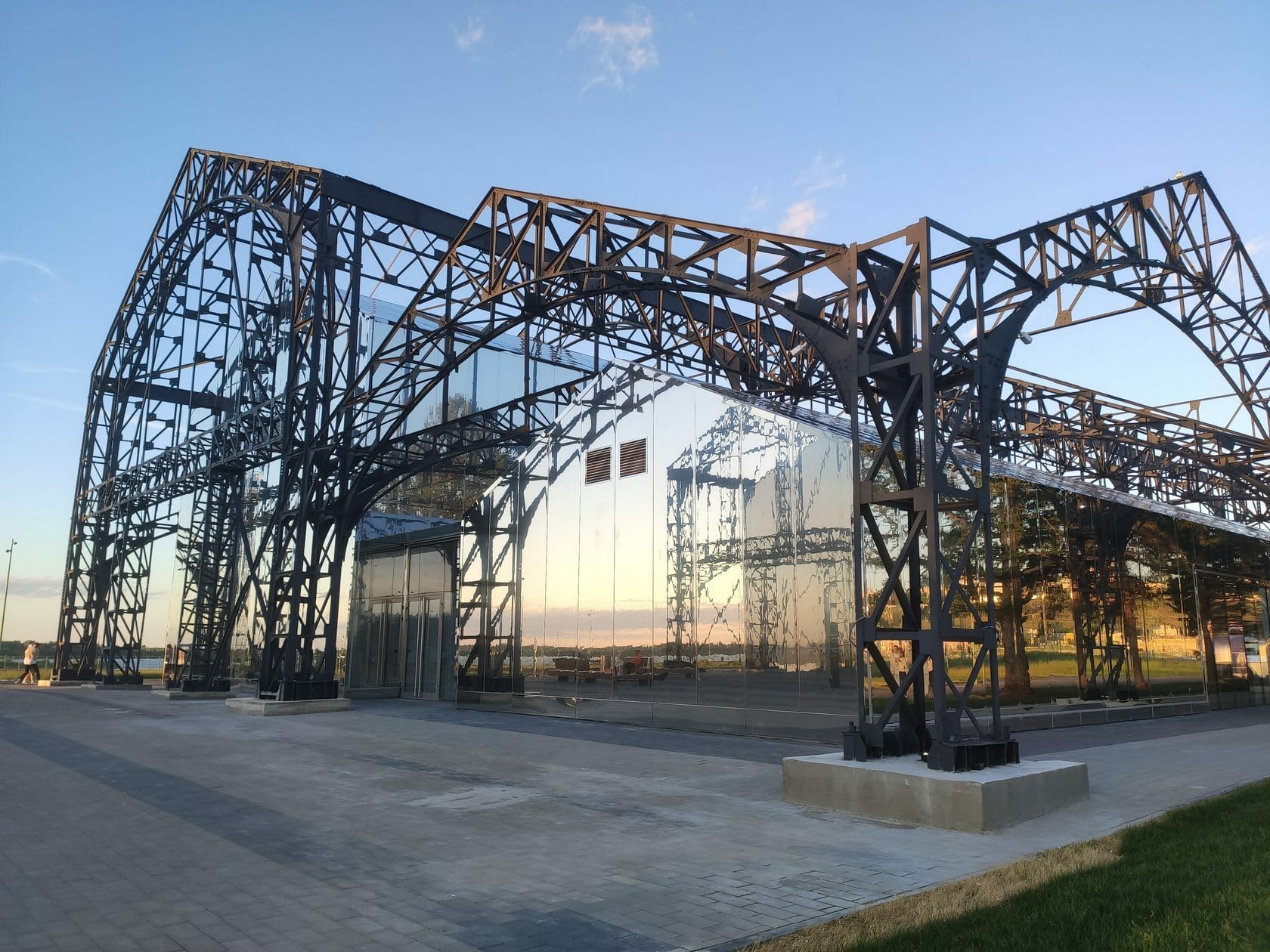
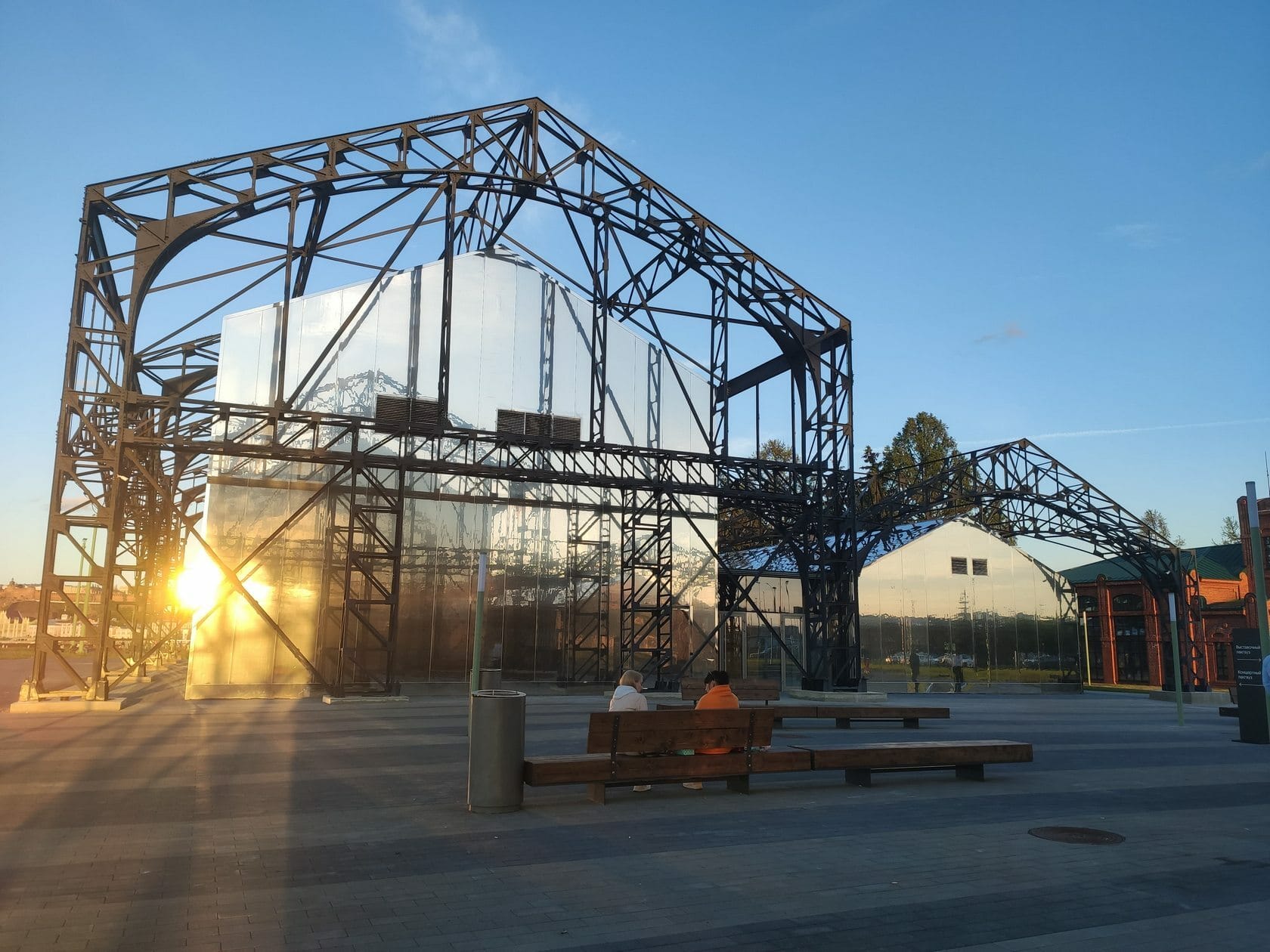
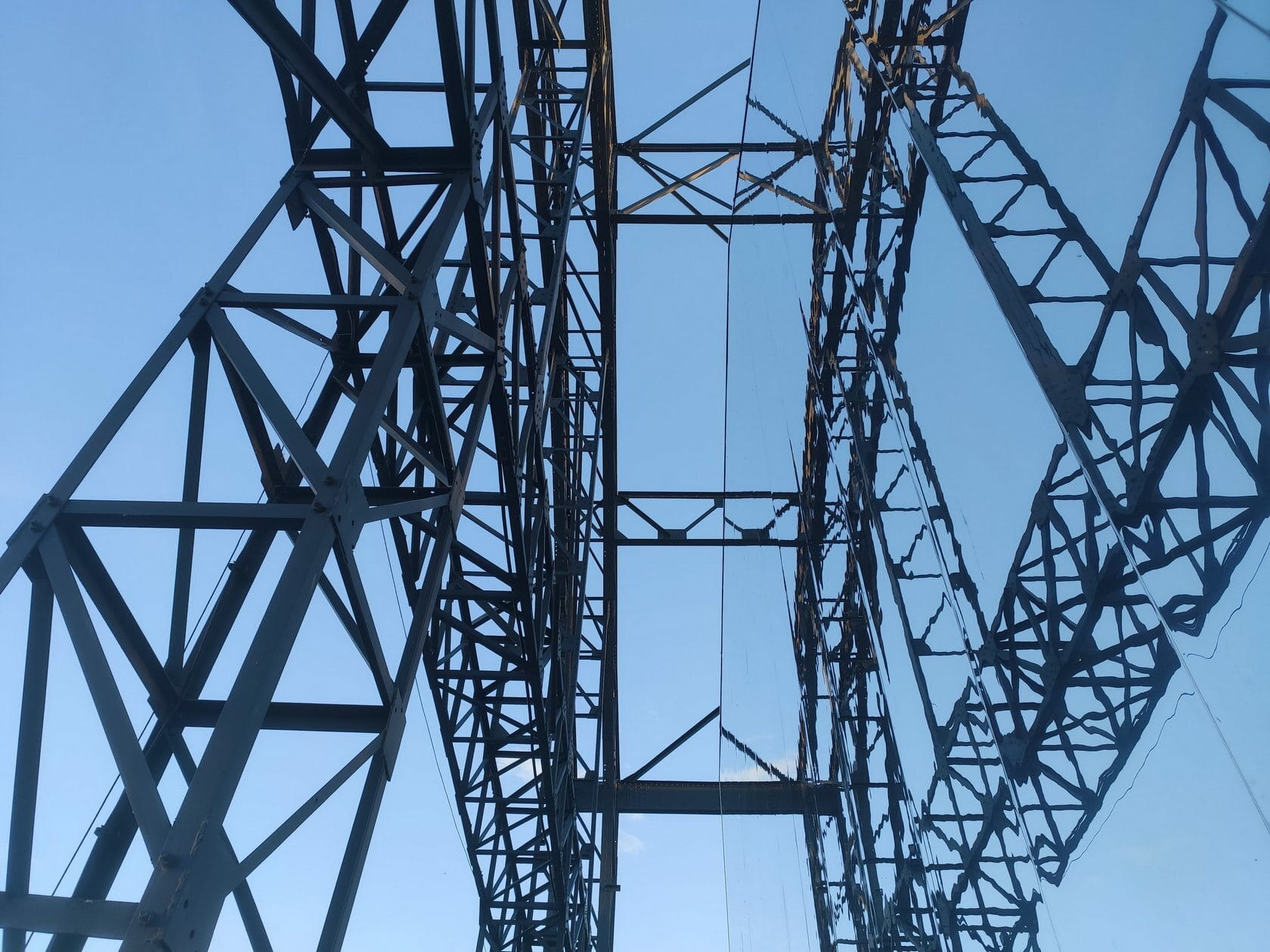
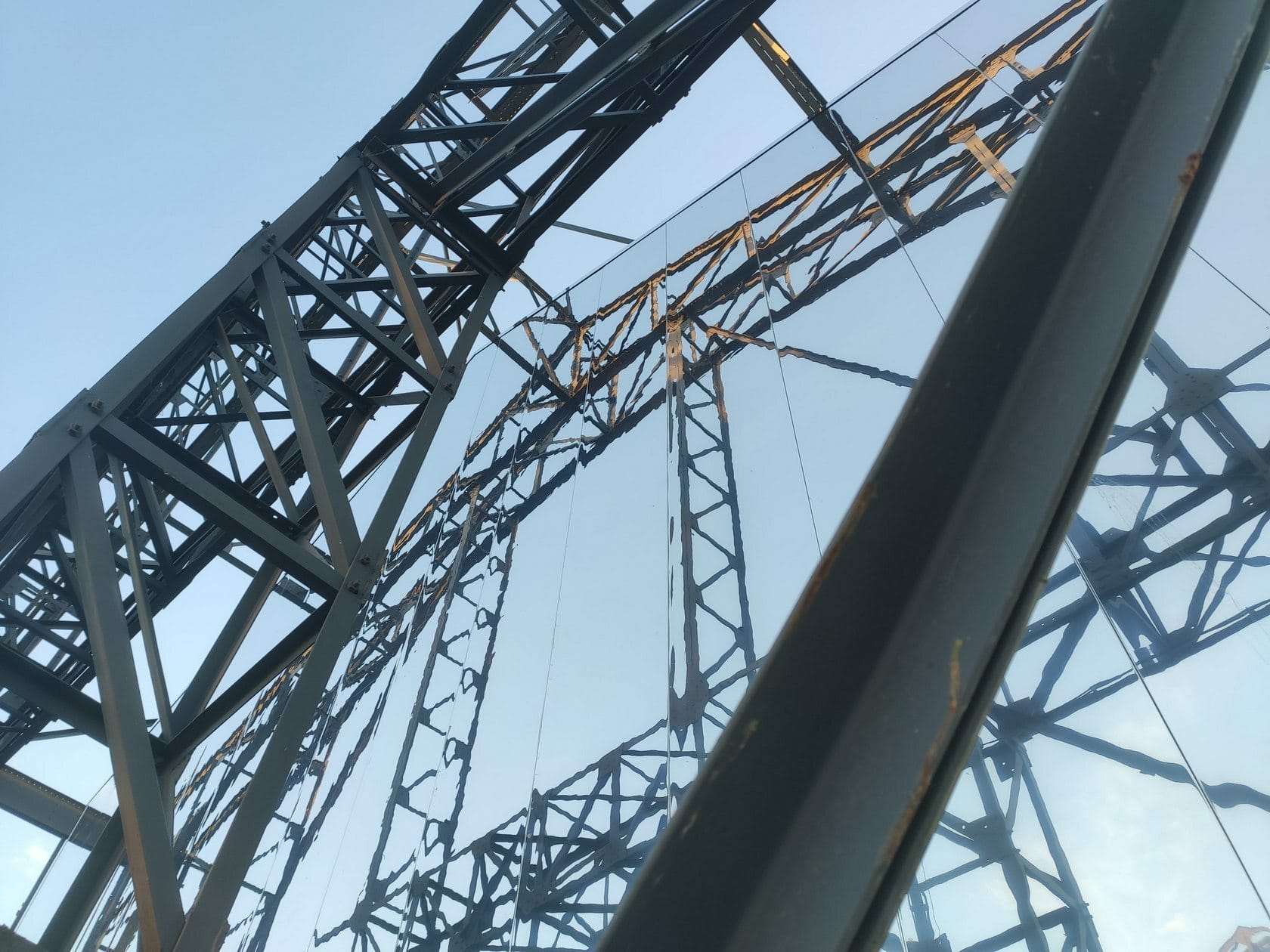
Also during the pre-World Cup works, this beauty — the Fair Water Pumping Station of 1909 — was nearly demolished. The fact that its water was already being filtered with chlorine by 1911 greatly saved the city when cholera raged in it.
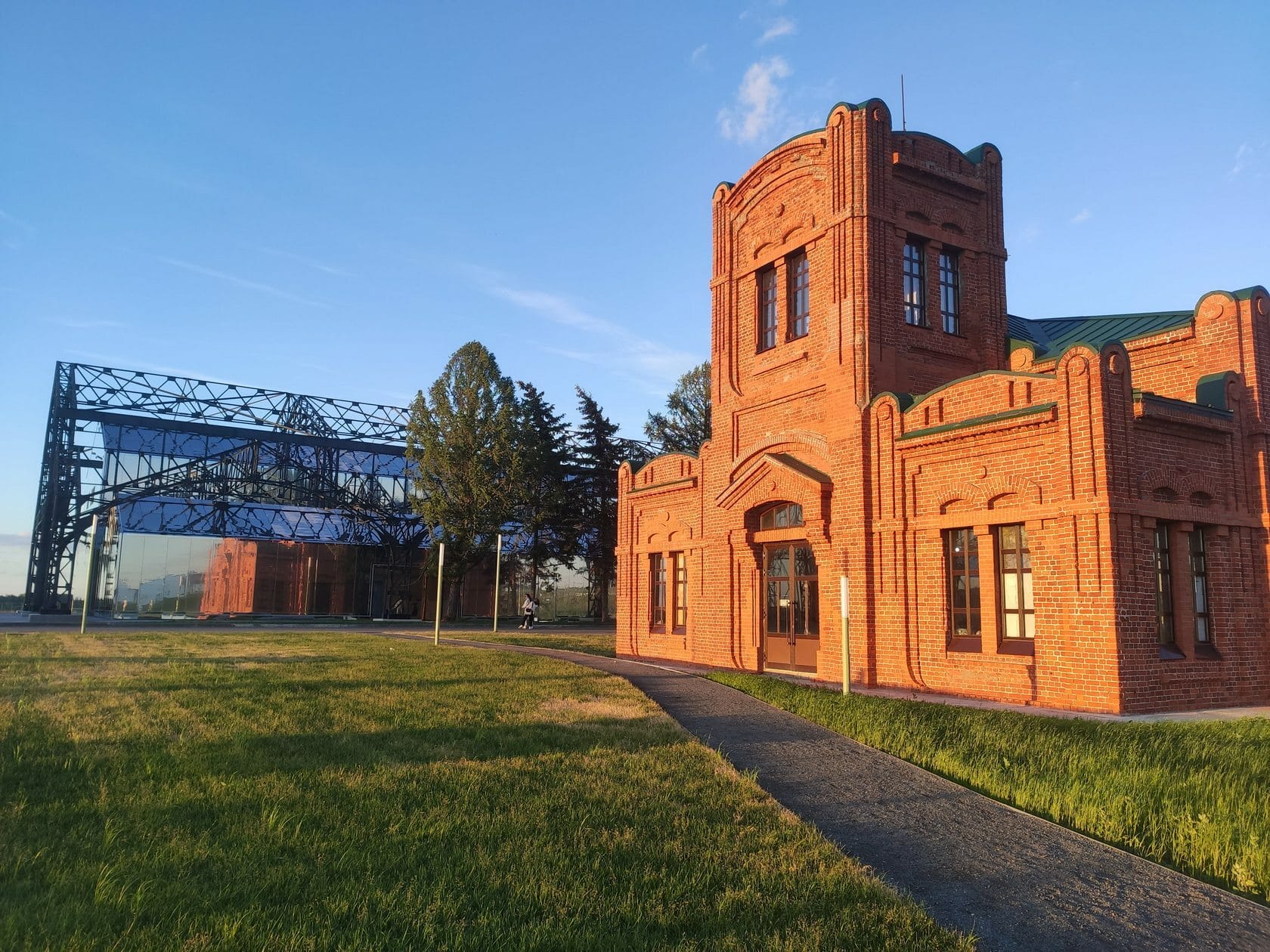
And no lesser magnificence around, including the cape itself, was entirely fenced off, and residents had no access here.
Well, and of course, none of this improvement existed.
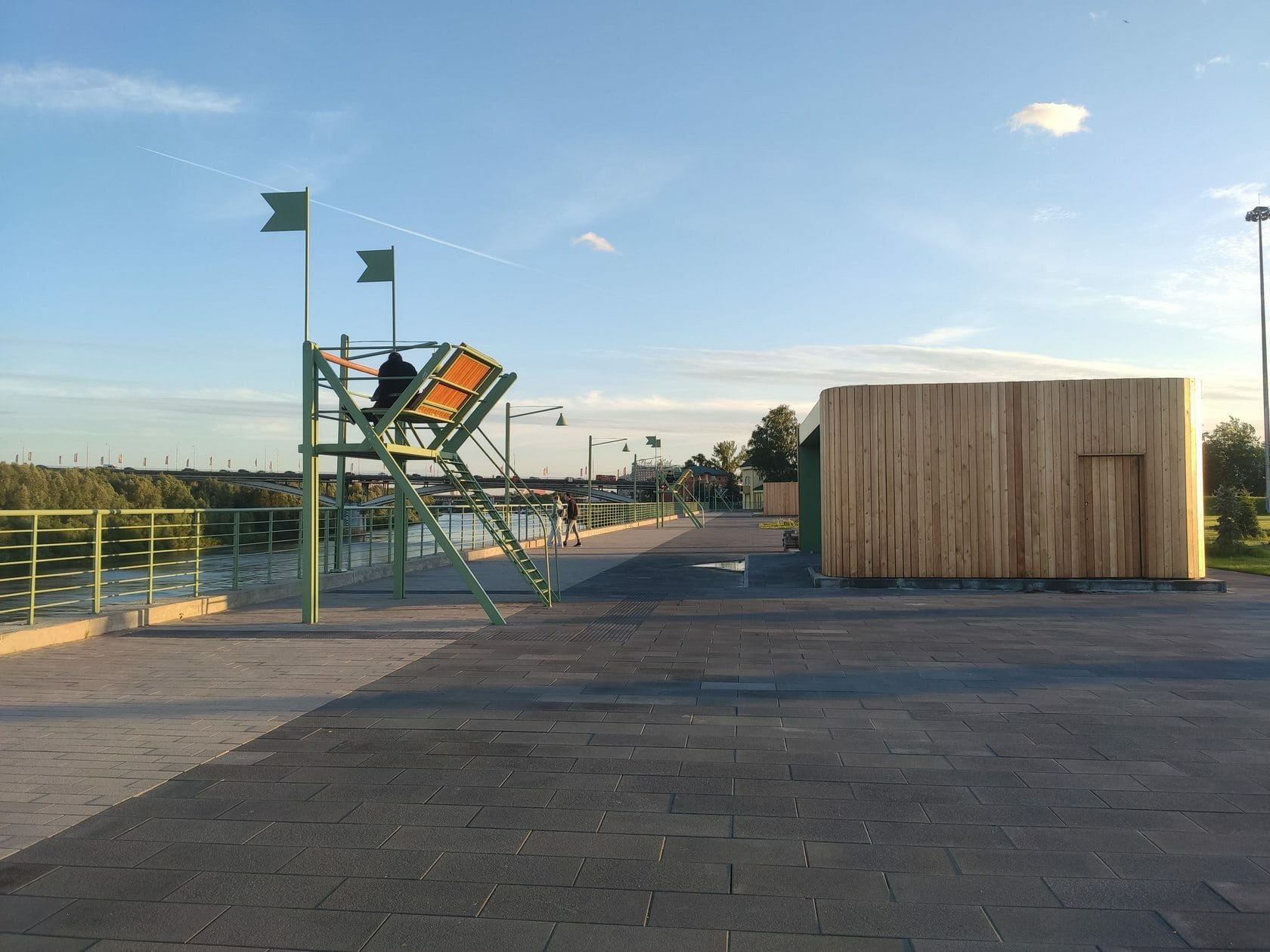
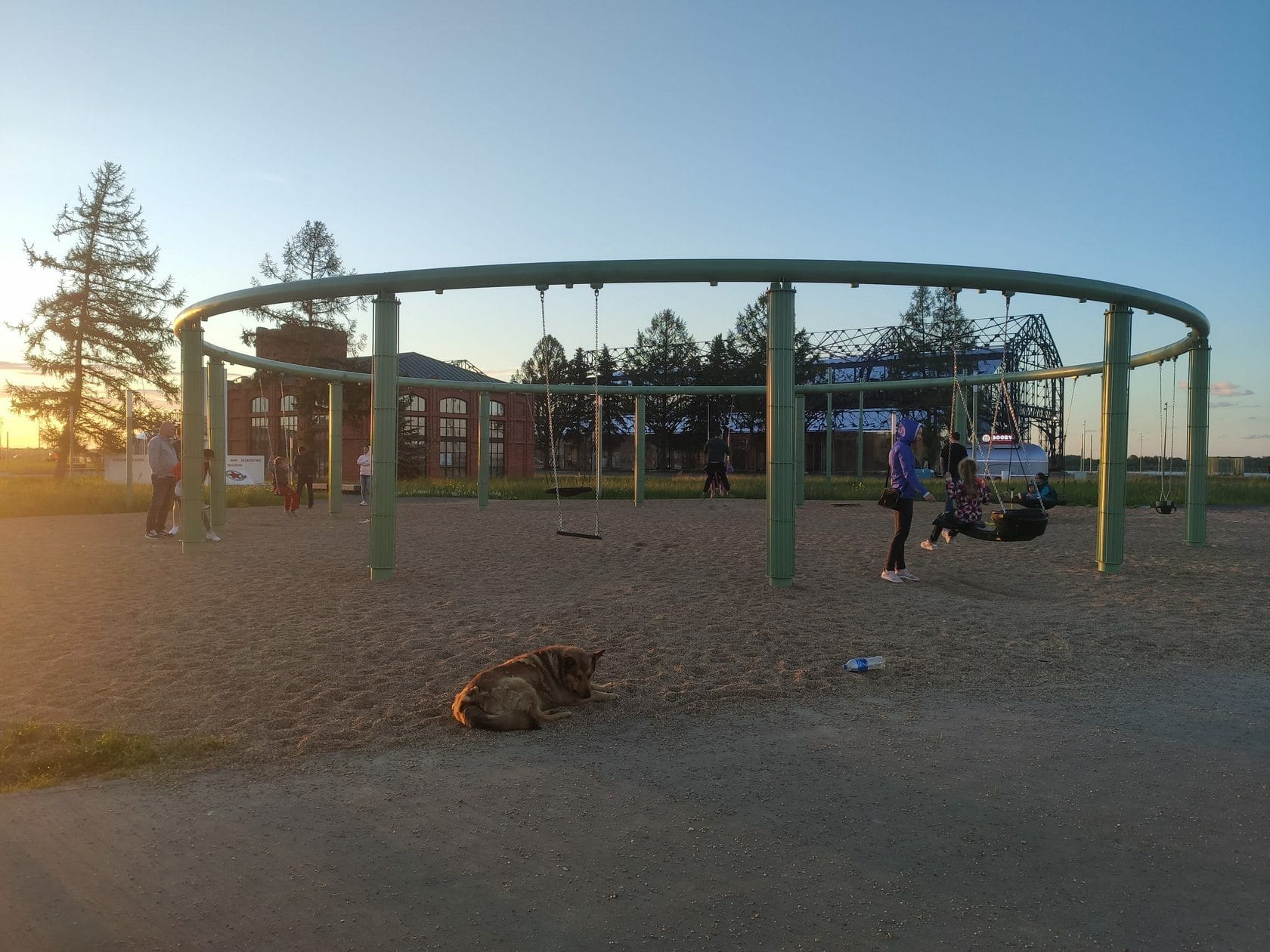
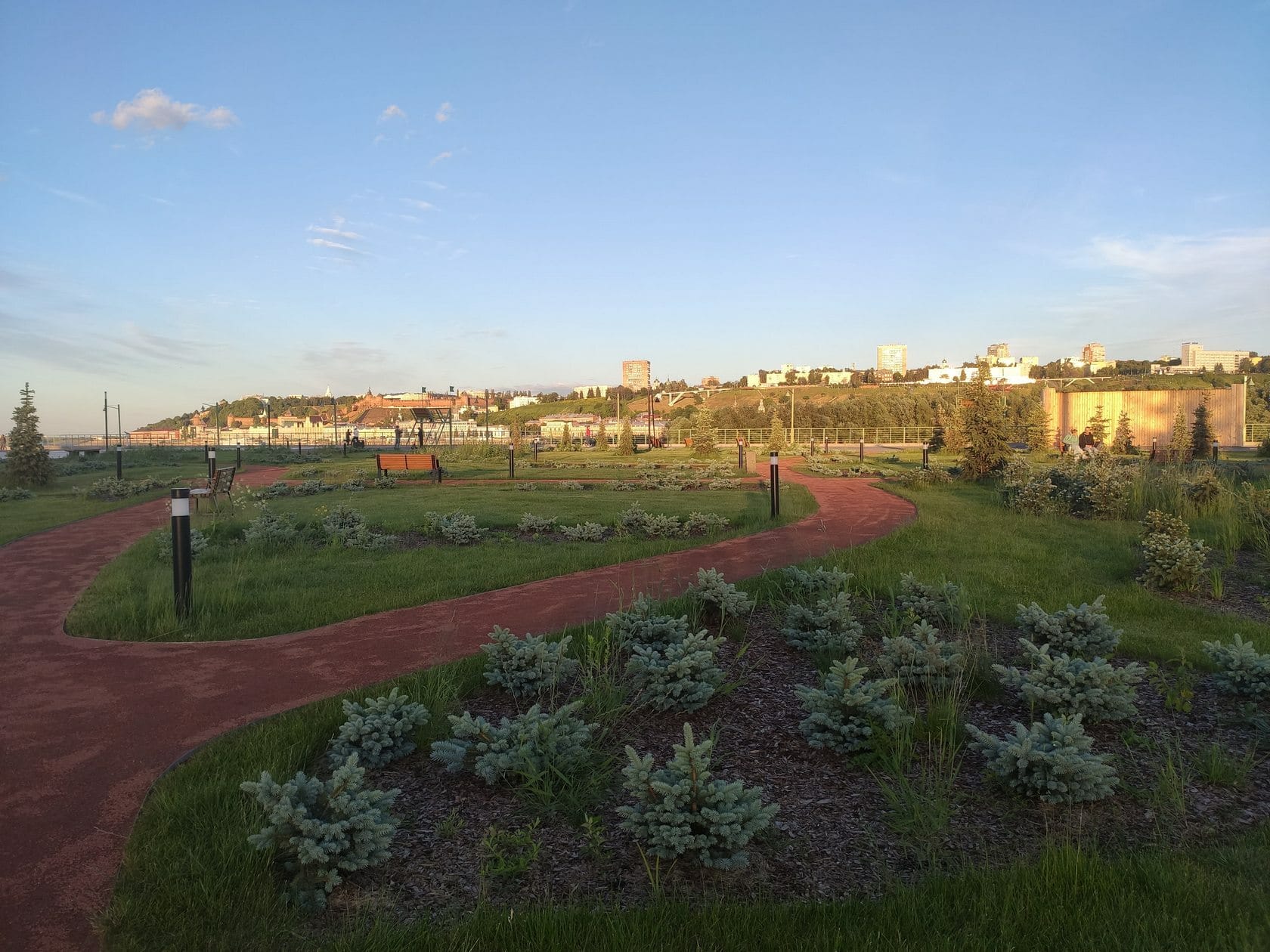
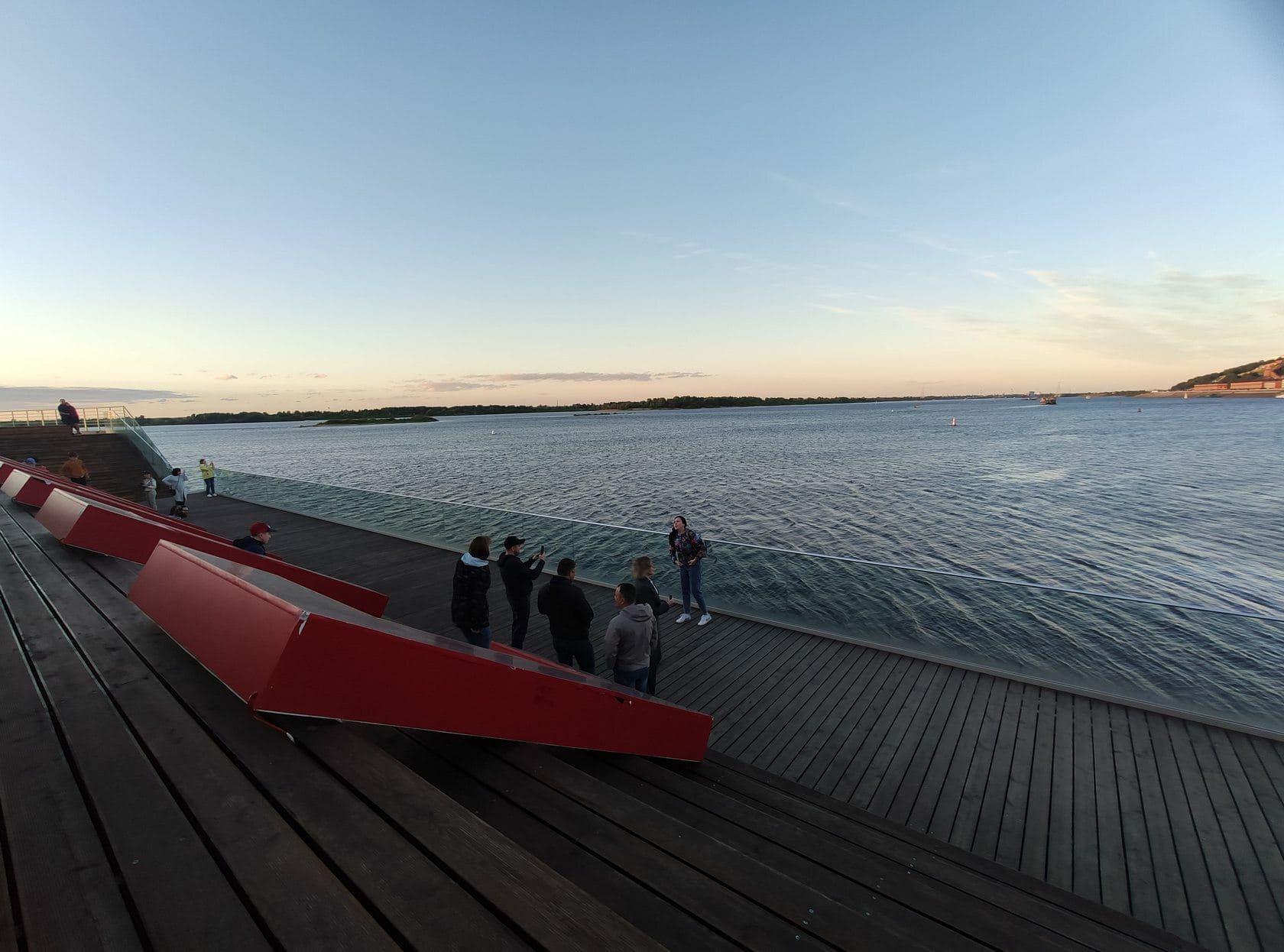
You can get acquainted with the breakdown of the Spit’s improvement (and not only) in Arkady Gershman’s video
How to make a city comfortable and beautiful. Learning from Nizhny Novgorod!
Packhouses at the Spit: a new life for heritage objects
And on the “Archiblog of Anna Martovitskaya” channel, an architectural review awaits you. With interviews!
So my action-packed 2 days in Nizhny have come to an end. I hope you enjoyed walking with me. And now finally go ahead, get yourself together, and buy a ticket. There’s a lot of interesting stuff, and if you’re from Kirov — it’s also not very far and not very expensive.
Video
At ya.ty.gorod, we’re much better at making videos than everything else. Or so it seems to us.
You can form your own opinion only by watching it :)
And the last recommendation for today: a video guide to Nizhny Novgorod from the “Architectural Excesses” team. It’s truly wonderful. And covers places we didn’t have time to visit.
Read more
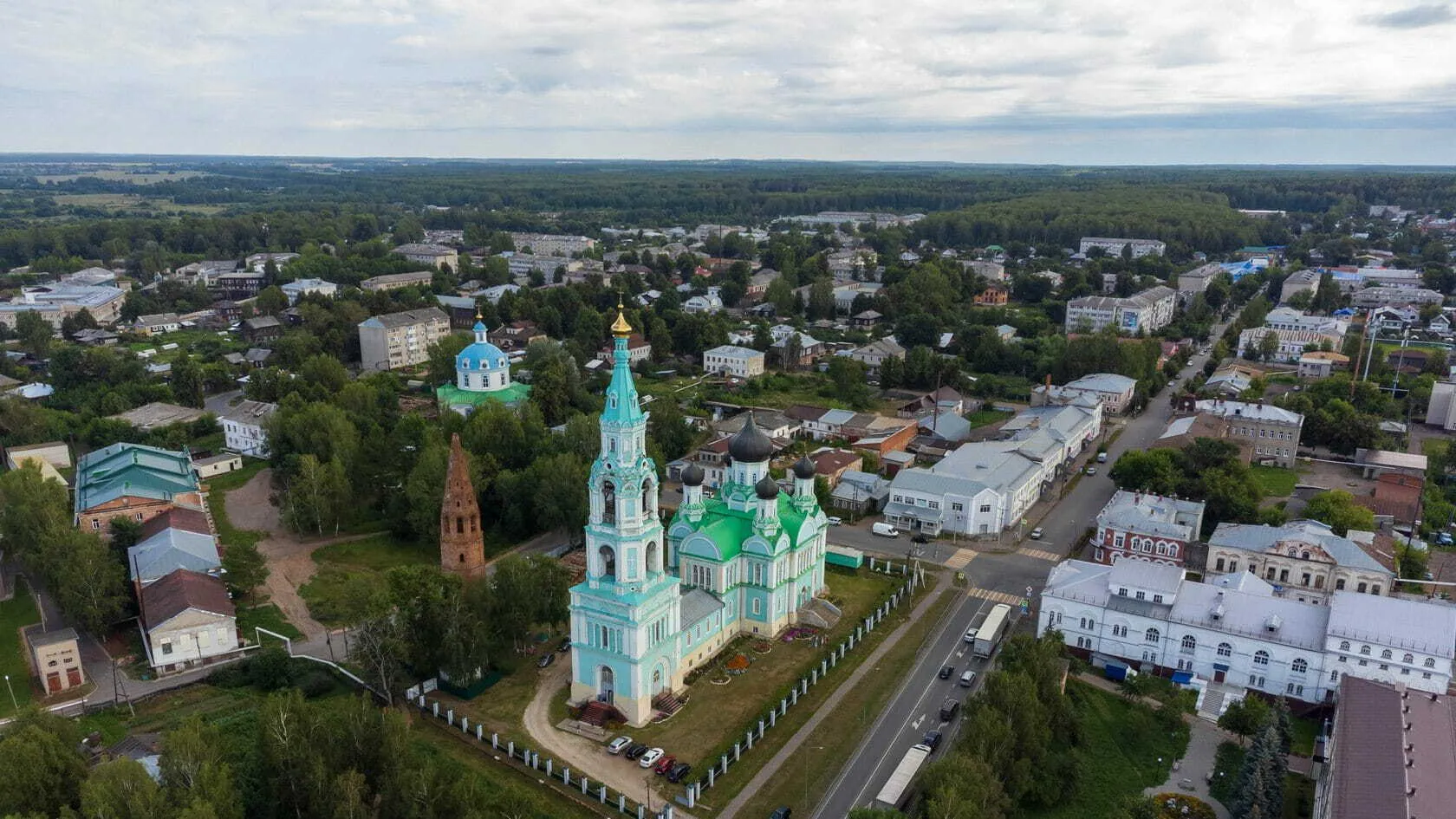
Yaransk: don't miss it on the way to Yoshkar-Ola
Stan and Karina in the town at the junction of the Kirov Region and Mari El
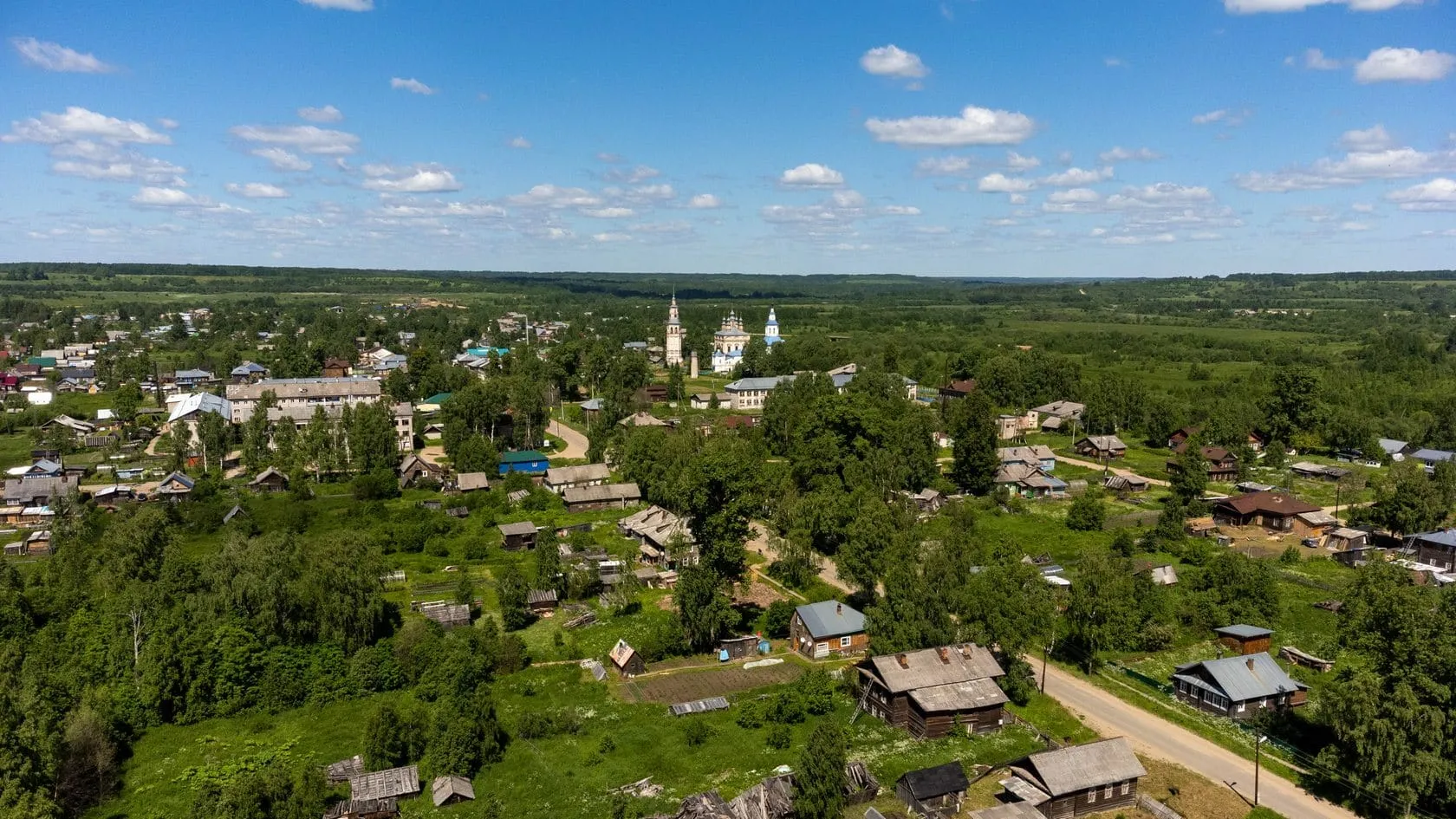
Lalsk: the most beautiful village in Russia?
Stan and Karina head to where the North meets the Vyatka